In the wake of the Fukushima nuclear disaster, the Nuclear Regulatory Commission finds way of using spent nuclear fuel
A 9.0 earthquake that struck off the coast of Japan damages a number of nuclear reactors in a Fukushima factory, which lead to a threat of a meltdown. While the damaged reactors have spewed a significant amount of radioactive material into the environment, a meltdown has thus far been averted. Now, the pools of spent fuel that had accrued beneath the reactors may be the disaster’s silver lining.
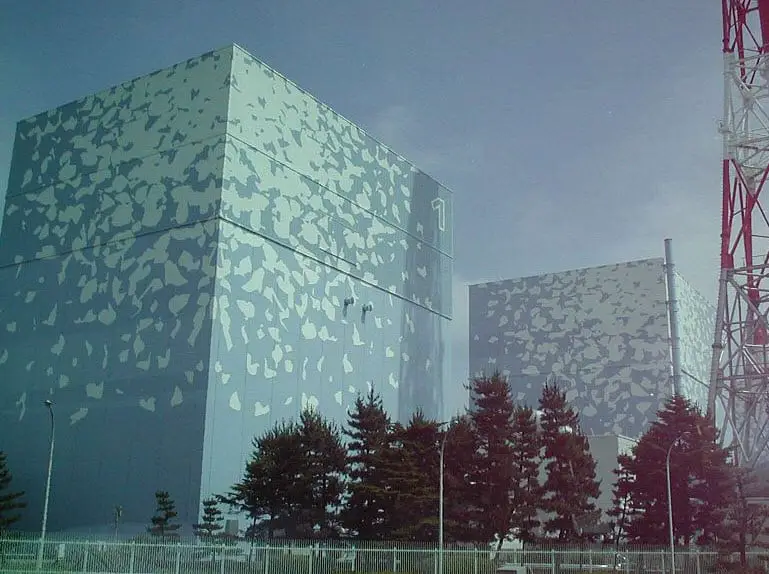
Following the disastrous earthquake the shook Japan in March of this year, the nation has been struggling to overcome a dangerous nuclear crisis in the Fukushima region.
A 9.0 earthquake that struck off the coast of Japan damages a number of nuclear reactors in a Fukushima factory, which lead to a threat of a meltdown. While the damaged reactors have spewed a significant amount of radioactive material into the environment, a meltdown has thus far been averted. Now, the pools of spent fuel that had accrued beneath the reactors may be the disaster’s silver lining.
In the wake of the disaster, the Nuclear Regulatory Commission set about drafting new recommendations for the processing of spent fuel pools. Throughout the U.S., most nuclear power plants store spent radioactive fuel in a pool at the bottoms of reactors. In Fukushima, these pools leaked into the environment, contaminating anything they touched.