Hydrogen news
Nikola’s strong hydrogen truck sales shrink its losses
Once the company scored Walmart Canada as one of its customers, the demand made a difference Nikola has managed to post a smaller adjusted loss than Wall Street had predicted during its second quarter due to a strong hydrogen truck demand. As the company’s clients boost spending, Nikola’s figures have improved The shares of the hydrogen truck maker jumped by 17 percent in early trading following the announcement of its second quarter revenues. These results indicate that as the company redirects away from its battery-powered vehicles and toward those powered by H2, the strategy is paying of…
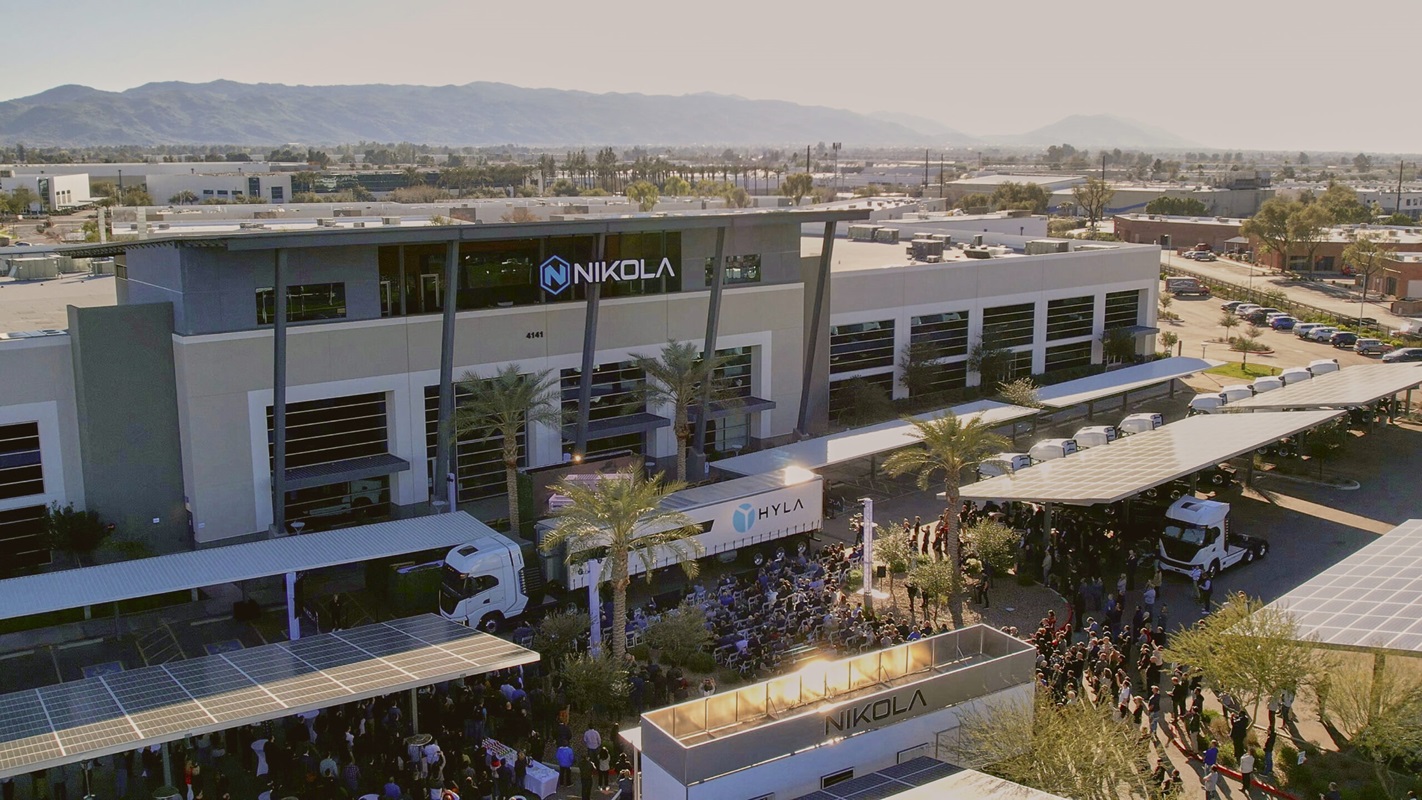
Once the company scored Walmart Canada as one of its customers, the demand made a difference
Nikola has managed to post a smaller adjusted loss than Wall Street had predicted during its second quarter due to a strong hydrogen truck demand.As the company’s clients boost spending, Nikola’s figures have improved
The shares of the hydrogen truck maker jumped by 17 percent in early trading following the announcement of its second quarter revenues. These results indicate that as the company redirects away from its battery-powered vehicles and toward those powered by H2, the strategy is paying off. It has been bringing in new customers and has received a boost in orders for its fuel cell vehicles. Nikola reported a second quarter revenue of $31.3 million, well beyond the predicted $27.1 million, according to data from LSEG.The company delivered 72 hydrogen truck units during the second quarter
At 72 deliveries during the second quarter, Nikola saw an 80 percent boost in its deliveries, suggesting that there is strong demand for its vehicles even as there is an overall slowdown across the industry. [caption id="attachment_66473" align="aligncenter" width="2000"]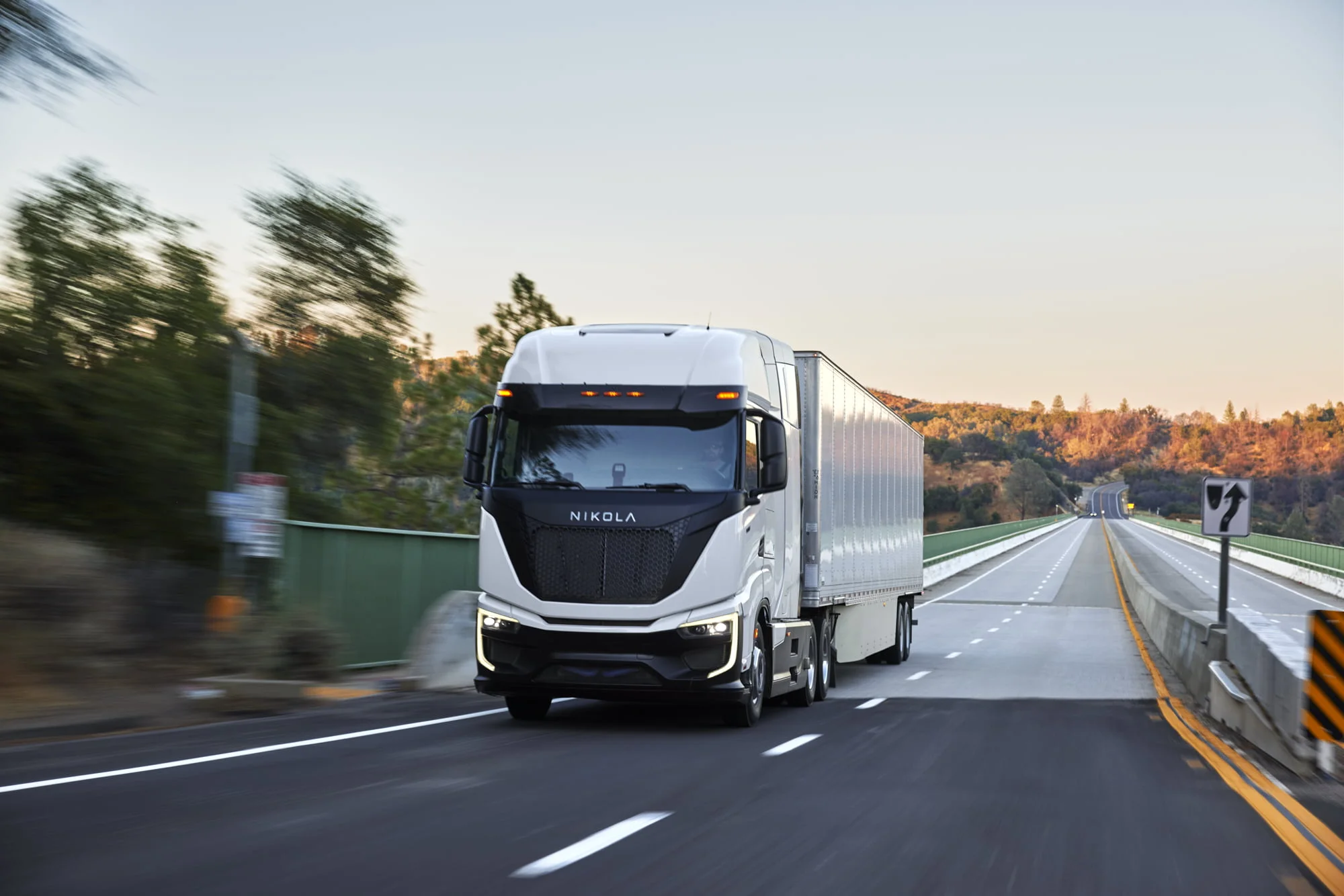 Nikola FCEV on road in Bay Area Foresthill - Source: Nikola[/caption]
According to Nikola, it is also on the path to completing its rollout of newly updated battery-electric trucks before the end of 2024, making it clear that it is not abandoning that technology altogether, even as it sees growing success from its hydrogen truck deliveries.
After a high investment period into battery electrics throughout the pandemic, that industry has slowed. Customers have started facing challenges from their vehicles, such as range anxiety, high price tags, and an uncertain economic situation, which typically holds back purchases of expensive items, particularly when they are not fully mainstream or familiar.
Nikola FCEV on road in Bay Area Foresthill - Source: Nikola[/caption]
According to Nikola, it is also on the path to completing its rollout of newly updated battery-electric trucks before the end of 2024, making it clear that it is not abandoning that technology altogether, even as it sees growing success from its hydrogen truck deliveries.
After a high investment period into battery electrics throughout the pandemic, that industry has slowed. Customers have started facing challenges from their vehicles, such as range anxiety, high price tags, and an uncertain economic situation, which typically holds back purchases of expensive items, particularly when they are not fully mainstream or familiar.
Balancing H2 demand with falling EV appetite
A dwindling appetite for electric vehicles had been pressing on Nikola’s shares, which have already dropped by more than 70 percent in 2024 so far. That said, the company reported its $2.67 adjusted loss per share, which was smaller than the $2.85 average analyst estimate. That said, in June, Nikola signed Walmart Canada as a major customer, delivering its first hydrogen truck to that retailer. Nikola’s cash and cash equivalents reached $256.3 million during the second quarter, compared to the $345.6 million during the first quarter of 2024.How was this article?
Thanks for the feedback!