Hydrogen news
Research team makes a breakthrough that will benefit fuel cells
Graphene catalyst developed by researchers in South Korea A research team from South Korea's Ulsan National Institute of Science and Technology have developed a new fuel cell catalyst that is comprised of graphene. The catalyst may be a significant breakthrough in fuel cell technology, as it can be recharged as many as 100,000 times without losing any performance. This makes the catalyst significantly more capable than its more conventional counterparts, which are comprised primarily of platinum. The research team is working to draw more attention to the potential of graphene and how it can b…
Graphene catalyst developed by researchers in South Korea
A research team from South Korea's Ulsan National Institute of Science and Technology have developed a new fuel cell catalyst that is comprised of graphene. The catalyst may be a significant breakthrough in fuel cell technology, as it can be recharged as many as 100,000 times without losing any performance. This makes the catalyst significantly more capable than its more conventional counterparts, which are comprised primarily of platinum. The research team is working to draw more attention to the potential of graphene and how it can be used to improve fuel cells.Platinum catalysts may be on their way out, replaced by graphene
The majority of fuel cells make use of platinum catalysts, which are quite expensive. These catalysts allow for the chemical processes that allow fuel cells to generate electricity to take place. Platinum has proven that it is somewhat resistant to the corrosive processes that occur within a fuel cell, but finding alternatives to platinum is becoming more important, as those interested in renewable energy want fuel cells to be less expensive.Graphene shows significant promise
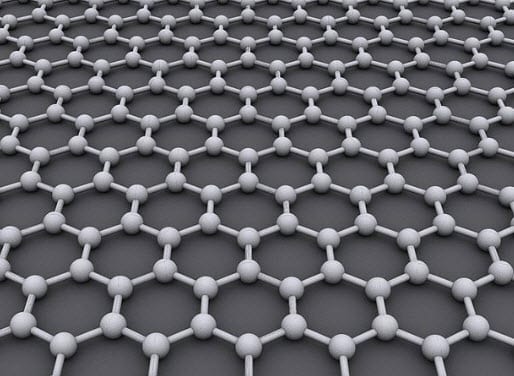 Graphene is an allotrope of carbon and takes the form of a two-dimensional, atomic-scale lattice. The material is quite durable and can conduct electricity in a relatively efficient manner. Researchers from around the world have considered using graphene as a replacement for platinum catalysts, but more experimentation must be done in order for this material to be considered commercially viable.
Fuel cells are gaining more attention in various sectors
Fuel cell technology is gaining more attention as an alternative to conventional forms of energy. These energy systems have become particularly popular in the auto industry, where automakers are using them to produce a new generation of vehicles that do not produce harmful emissions. Fuel cells are also gaining popularity as residential energy systems, as they can produce a significant amount of electrical power as well as heat. Finding ways to improve fuel cell technology will likely improve the attractiveness of these energy systems in the years to come.How was this article?
Thanks for the feedback!