Hydrogen news
Safety Tips for Hydrogen Fueling Stations
Hydrogen fueling stations have a critical role in facilitating the widespread adoption of hydrogen-powered vehicles and equipment. As the use of hydrogen fuel gains momentum as a sustainable energy source, it is imperative to recognize the paramount importance of safety at these stations. While hydrogen presents significant environmental advantages, its highly flammable nature necessitates careful handling to mitigate potential risks. To safeguard the well-being of workers, customers, and the surrounding environment, it is essential to establish stringent safety measures that effectively ad…
Hydrogen fueling stations have a critical role in facilitating the widespread adoption of hydrogen-powered vehicles and equipment.
As the use of hydrogen fuel gains momentum as a sustainable energy source, it is imperative to recognize the paramount importance of safety at these stations. While hydrogen presents significant environmental advantages, its highly flammable nature necessitates careful handling to mitigate potential risks. To safeguard the well-being of workers, customers, and the surrounding environment, it is essential to establish stringent safety measures that effectively address the potential hazards associated with hydrogen. Understanding and implementing safety protocols, including proper installation and maintenance of fire extinguishers as per NFPA 10 ensures smooth and safe operation of hydrogen fueling stations. Here are some essential safety tips for hydrogen fueling stations:1. Proper Training and Knowledge
The first step in ensuring safety at hydrogen fueling stations is to provide comprehensive training to all personnel involved. This includes station operators, technicians, and maintenance staff. They should receive thorough instruction on the properties of hydrogen, safe handling procedures, emergency response protocols, and the proper operation of equipment. Regular training updates should be conducted to keep everyone informed about the latest safety practices. Clear and visible safety signage is crucial for informing and instructing staff and customers about safety procedures and potential hazards. Place signage indicating no smoking, no open flames, and the location of emergency exits and safety equipment. Promote effective communication among staff members by promptly establishing clear protocols for reporting safety concerns or incidents.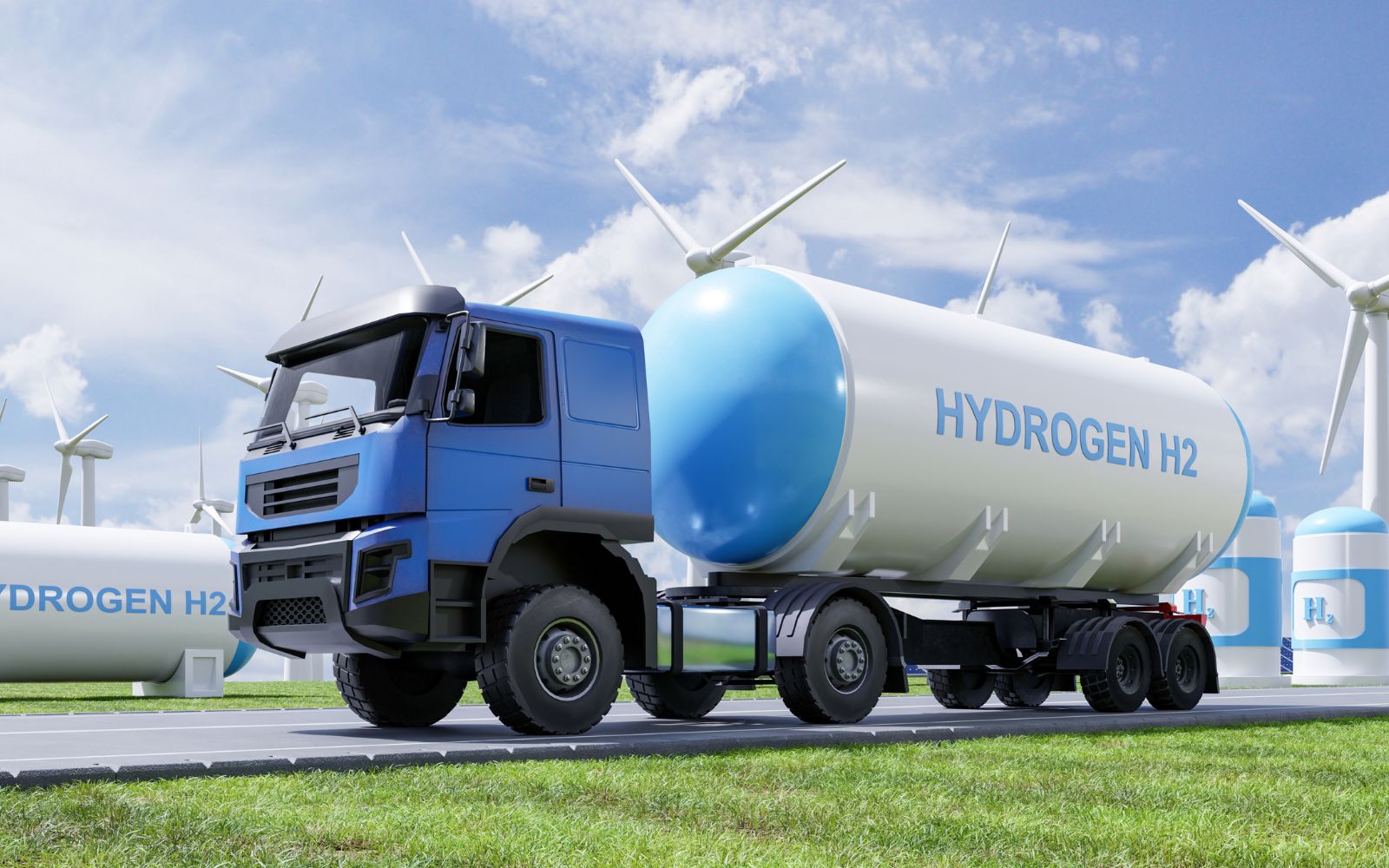
2. Adequate Ventilation and Leak Detection Systems
Hydrogen is lighter than air, and in the event of a leak, it tends to rise and disperse quickly. However, proper ventilation is still crucial to maintain a safe environment at the fueling station. Install adequate ventilation systems that facilitate the quick dispersion of any hydrogen leaks. Additionally, implement reliable leak detection systems to promptly identify and mitigate any potential leaks, ensuring early intervention and preventing the buildup of hydrogen gas. Regular maintenance and inspection of equipment are vital for ensuring safe operations at hydrogen fueling stations. This includes checking the integrity of storage tanks, pipes, valves, and dispensing equipment. Conduct routine inspections to identify any signs of wear, corrosion, or damage. Timely repairs and replacements should be carried out to prevent potential hazards.3. Fire Safety Measures
Fire safety is paramount at hydrogen fueling stations. Essential fire safety measures you should implement include installing robust fire suppression systems, such as automatic sprinklers or specialized hydrogen fire suppression systems. These systems are designed to rapidly extinguish or control fires, minimizing their potential impact. Incorporate emergency shut-off systems that allow for the immediate shutdown of fueling operations in case of an emergency or the detection of a leak or fire. Additionally, place fire extinguishers in easily accessible locations throughout the facility. These extinguishers should be specifically rated for use with flammable gasses, including hydrogen. Proper training should be provided on their usage. EndNote Safety is paramount in hydrogen fueling stations to mitigate potential risks associated with handling hydrogen. By implementing proper training, ensuring adequate ventilation and leak detection systems, conducting regular equipment maintenance and inspections, and incorporating fire safety measures, the overall safety of hydrogen fueling stations can be greatly enhanced.How was this article?
Thanks for the feedback!