News
Shopping For Sustainable Flowers and Houseplants for Gifts
In the realm of natural beauty, the flower industry holds a prominent place. However, beneath its vibrant facade lies a series of environmental concerns that are often overlooked. From high water usage to carbon emissions and chemical pollution, the environmental footprint of this industry is far from negligible. The flower industry, like many others, is not without its environmental challenges. As mentioned, the footprint of this industry can be significant. But does this mean we should give up on flowers altogether? The answer is not as straightforward, and fortunately, it doesn't have to…
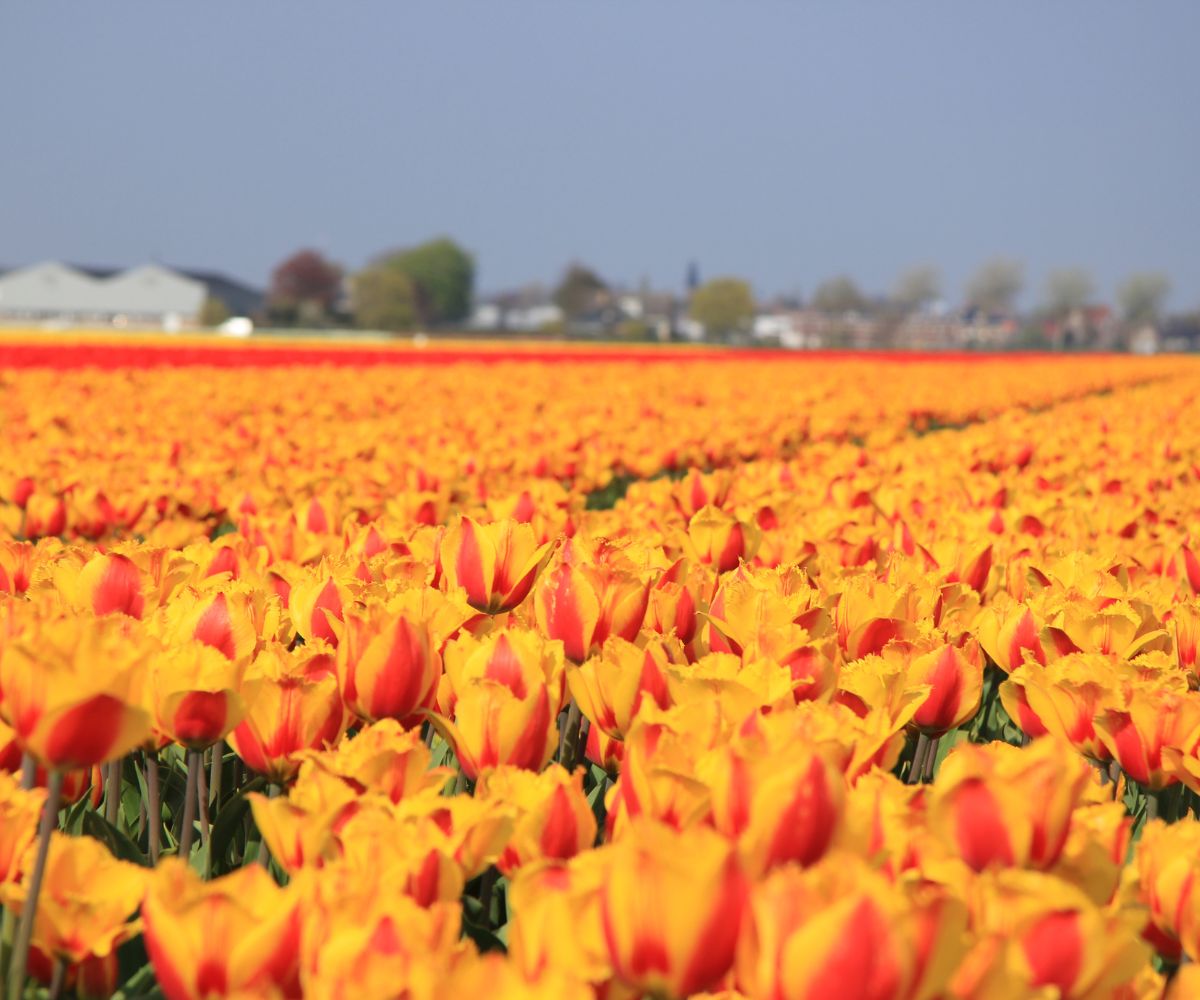
In the realm of natural beauty, the flower industry holds a prominent place.
However, beneath its vibrant facade lies a series of environmental concerns that are often overlooked. From high water usage to carbon emissions and chemical pollution, the environmental footprint of this industry is far from negligible. The flower industry, like many others, is not without its environmental challenges. As mentioned, the footprint of this industry can be significant. But does this mean we should give up on flowers altogether? The answer is not as straightforward, and fortunately, it doesn't have to be a definitive 'no.' In the face of these issues, many companies and consumers are turning to sustainable alternatives. This article will guide you through the world of sustainable flowers, offering insights into more eco-friendly shopping practices and pointing you towards retailers who prioritize sustainability. Whether you're looking for fresh blooms or dried arrangements, you'll discover options that allow you to enjoy the beauty of flowers while also caring for our planet. The Good and The Bad...The Water and Carbon Footprint of Flowers
Flower cultivation is an incredibly water-intensive process. Moreover, the global nature of the industry necessitates long-distance transportation, which significantly contributes to carbon emissions. The need for refrigeration during transit, to maintain the freshness of the flowers, further escalates the carbon footprint.Pesticides: A Thorny Issue
The use of chemical pesticides in the flower industry is another major concern. These chemicals not only disrupt local biodiversity but also lead to water pollution through runoff.The Personal and Environmental Benefits of Flowers and Houseplants
Despite the environmental challenges in the commercial flower industry, incorporating flowers and houseplants in our personal spaces can offer numerous benefits.Enhancing Well-being and Air Quality
Flowers and houseplants have been known to reduce stress and fatigue. They can enhance mood and productivity, creating a positive atmosphere at home. Additionally, these plants improve indoor air quality by absorbing pollutants and releasing oxygen.Cultivating Purpose and Satisfaction
Taking care of plants can foster a sense of purpose and accomplishment, adding a therapeutic element to our daily routines.
Sustainable Flowers - Practices in the Flower Industry
While the environmental impact of the flower industry is significant, there are sustainable practices that consumers can adopt. The increasing demand for Fairtrade flowers is a testament to the growing commitment towards sustainability among consumers. It's heartening to observe that consumers are willing to pay a premium for these sustainable practices, indicating an elevated awareness and dedication to ethical consumption. This shift in consumer behavior is not just reshaping the flower industry by encouraging more eco-friendly practices, but it's also opening up new avenues for businesses who are keen on integrating sustainability into their operations.Embracing Local and Seasonal Flowers
Supporting local flower farms reduces the carbon emissions associated with long-distance transportation. Additionally, choosing seasonal flowers promotes biodiversity and decreases the need for energy-intensive greenhouses.Looking for Certifications and Labels
When planning a special occasion or considering a flower delivery for him, it's essential to check for labels and certifications that indicate organic and sustainable practices. These flowers are grown without harmful pesticides and in a water-conserving manner, making them a more environmentally-friendly choice. In conclusion, the flower industry, despite its environmental hurdles, holds a significant potential for sustainable transformation. By making mindful purchasing decisions, we as consumers can play a pivotal role in reducing these environmental impacts. Moreover, the inclusion of flowers and houseplants in our homes not only beautifies our living spaces but also promotes personal well-being and improves indoor air quality. The shift towards sustainability within this industry could have profound implications, ushering in an era where we can appreciate the beauty of nature without compromising the health of our planet.How was this article?
Thanks for the feedback!