Hydrogen news
Taiwan and Canada to work together to improve hydrogen fuel cells
Countries agree to improve the development of fuel cell technology A memorandum of understanding has been signed between the Taiwanese and Canadian renewable energy industries, according to an announcement from Canada's representative office in Taipei. The agreement is meant to spur advancement in the clean energy sectors of both countries, with the Canadian Hydrogen and Fuel Cell Association and the Taiwanese Green Trade Project Office participating in the endeavor. The Canadian Trade Office notes that the agreement was formed during the Hydrogen Fuel Cell 2015 Conference. Various types of h…
Countries agree to improve the development of fuel cell technology
A memorandum of understanding has been signed between the Taiwanese and Canadian renewable energy industries, according to an announcement from Canada's representative office in Taipei. The agreement is meant to spur advancement in the clean energy sectors of both countries, with the Canadian Hydrogen and Fuel Cell Association and the Taiwanese Green Trade Project Office participating in the endeavor. The Canadian Trade Office notes that the agreement was formed during the Hydrogen Fuel Cell 2015 Conference.Various types of hydrogen fuel cells will be improved through the agreement made between Taiwan and Canada
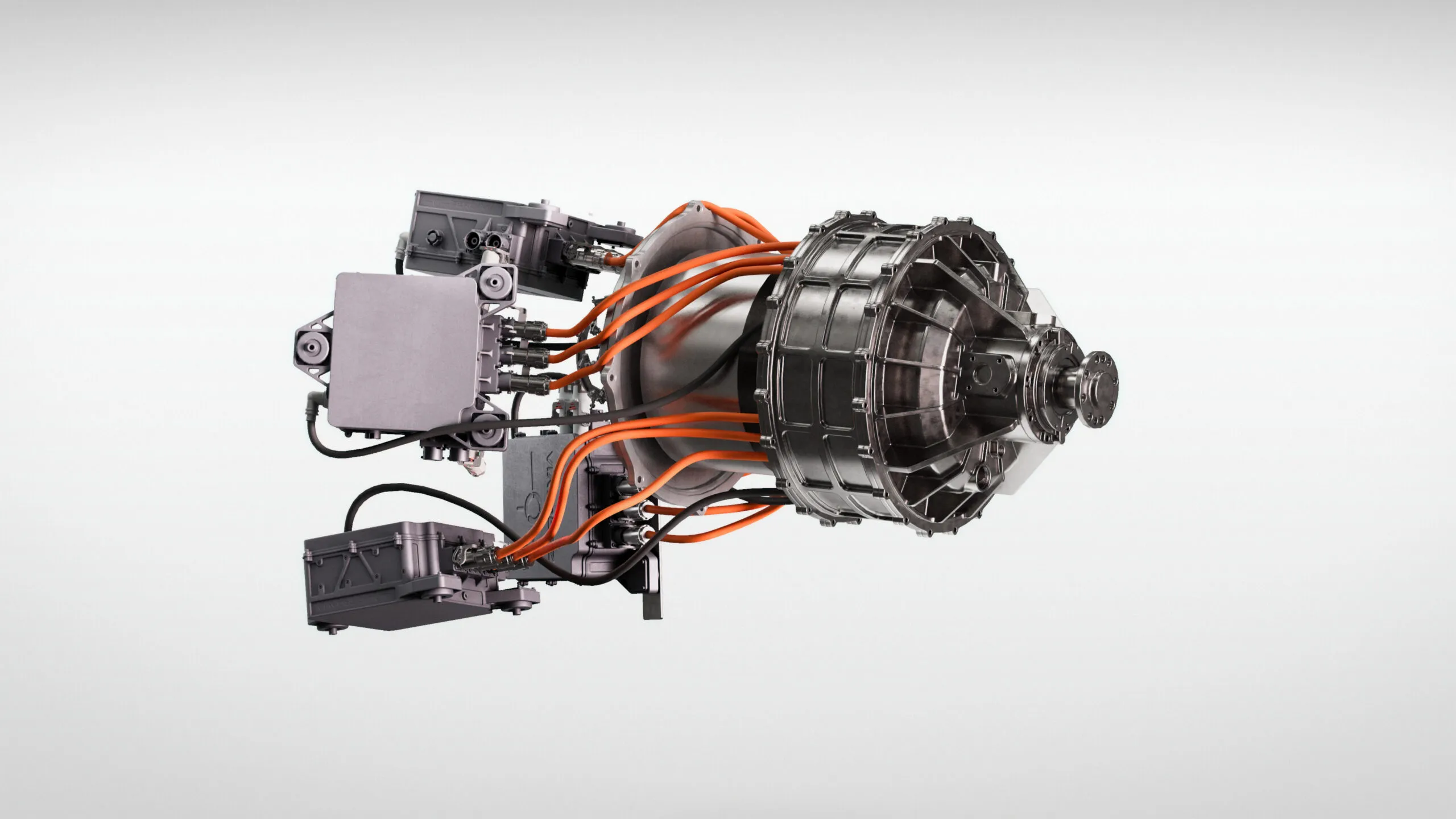
Per the agreement, both countries will work to expand cooperation in fuel cell development. This development will be focused on producing hydrogen fuel cells as back-up power solutions and as energy systems for vehicles. Stationary fuel cells will also become a focus, as these energy systems can be used to power buildings. Fuel cells have been seeing more use in the transportation sector lately, and mobile fuel cells may become a significant focus on the agreement between the two countries.Fuel cells continue to gain traction
 Hydrogen fuel cells are becoming more appealing to countries that are interested in renewable energy. These energy systems are able to produce electrical power through the use of hydrogen without also producing harmful emissions. Because these energy systems can produce large quantities of electrical power in a reliable fashion, they have become quite popular as back-up power suppliers. They are also becoming more capable of being used as primary energy providers, as is evidenced by their use in the auto industry and their growing prevalence in residential sectors.
Cooperation could help improve fuel cell technology
Cooperation may be the key to solving some of the problems that face fuel cells currently. While these energy systems are becoming more popular, they have become somewhat notorious for being expensive. The high costs of fuel cells often detract from their attractiveness and have slowed adoption considerably. By working together, both Taiwan and Canada may be able to find ways to reduce the cost of hydrogen fuel cells and make them a more viable energy solution.How was this article?
Thanks for the feedback!