ONE SCIENTIFIC and AMBARtec Launch Pilot Project for Integrated Hydrogen Production and Storage in Germany
ONE SCIENTIFIC and AMBARtec AG launch a pilot project for integrated hydrogen production and storage, leveraging innovative technologies in Germany.
ONE SCIENTIFIC, based in Johnson City, Tennessee, has signed a letter of intent with AMBARtec AG, a German cleantech company, to develop a pivotal pilot project that merges state-of-the-art hydrogen production and storage technologies. The proposed venture will take place at AMBARtec’s demonstration facility in Freiberg, Saxony, and intends to pair thermal-energy-driven hydrogen production from water with an iron-based storage system developed by AMBARtec.
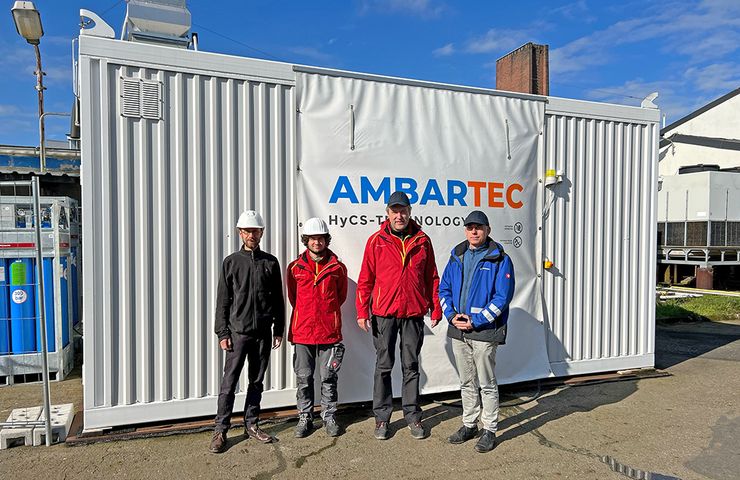
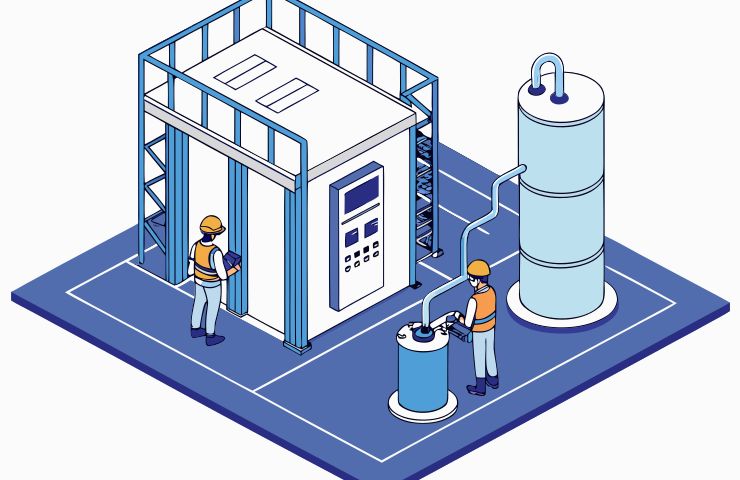
A modular hydrogen production unit, designed by ONE SCIENTIFIC, is expected to produce approximately 1 kilogram of hydrogen per hour. The pilot is not limited to proving that the unit can make hydrogen. It will test operational performance, examine reliability under sustained runs, and assess whether the two systems can scale when coupled together. In short: feasibility plus integration testing.
Core Project Details
- Companies Involved: ONE SCIENTIFIC (USA) and AMBARtec AG (Germany).
- Location: AMBARtec’s facility in Freiberg, Saxony.
- Technology Focus: Heat-driven hydrogen production combined with HyCS iron-based hydrogen storage.
- Phase 1 Capacity: Approx. 1 kilogram of hydrogen per hour.
- Objectives: To test performance, reliability, and the technological synergy of both systems.
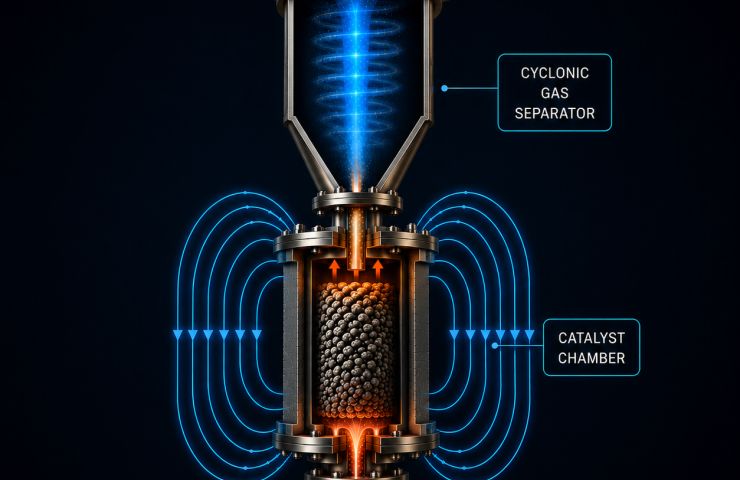
The collaboration is rooted in a broader vision to change how hydrogen is produced and handled. Conventional electrical water electrolysis remains constrained by high operational costs and by the practical limits of existing infrastructure. ONE SCIENTIFIC’s approach seeks to avoid those constraints by using heat as the primary driver for hydrogen production; it utilizes catalytic materials and a gas separation process rather than relying on conventional electrolysis.
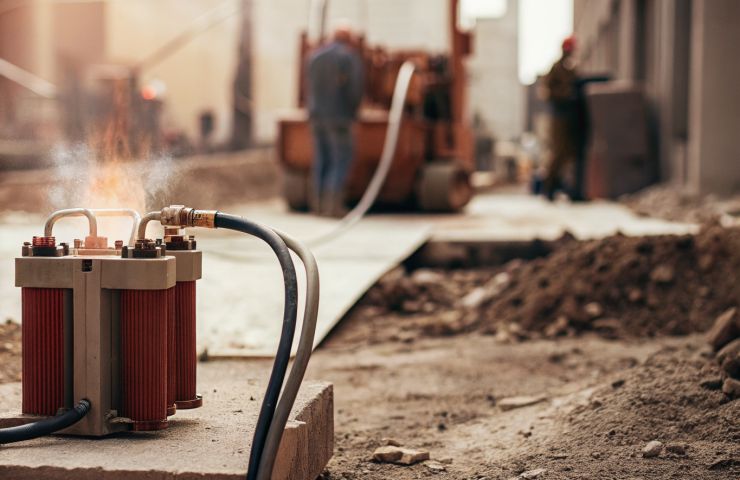
On the storage side, AMBARtec’s HyCS technology takes a chemical route: it binds hydrogen with iron oxide. That binding is reversible. The process therefore enables hydrogen to be stored in a solid medium and later released. AMBARtec says the cycle releases heat, and that heat can potentially be reused in the hydrogen production step. If that reuse proves practical in testing, the arrangement could reduce the electric power demand that would otherwise be needed for a conventional electrolysis-based system.
Both partners frame the project within the wider push for lower-emission hydrogen systems. They note, accurately, that the International Energy Agency has noted that hydrogen derived from fossil fuels remains more economical in many regions. This reality shapes the commercial and policy context for any new production or storage technique.
Innovative Storage and Energy Integration
The technical premise is straightforward but demands careful validation. Heat-driven production can change the mix of inputs required to make hydrogen. A catalytic reaction plus a gas separation process substitutes for electrical current as the primary energy vector. Meanwhile, binding hydrogen in an iron-based medium, as HyCS does, replaces pressurized or cryogenic storage methods with a chemically stored solid. The combination targets safety improvements and, potentially, lower transport and storage costs.
There are, however, several performance questions that laboratory work alone cannot resolve. Operational efficiency will need to be measured over extended cycles. Hydrogen purity must meet application-specific thresholds. And lifecycle emissions must be quantified across production, storage, and release phases. The pilot will therefore track metrics beyond instantaneous output—durability, maintenance intervals, and the energy balance of heat reuse will all be important.
Regulatory and ecosystem factors also warrant attention. The project will operate inside a local regulatory environment that may require formal partnerships, permitting, and certification for new storage methods. Those processes can add time and cost. In addition, integrating a novel storage approach with grid resources or downstream users will require coordination with local stakeholders and infrastructure operators.
Challenges Ahead
Uncertainty remains. Key questions about operational efficiency, hydrogen purity, and overall lifecycle emissions must be answered through comprehensive testing. The pilot will provide data, but only real-world operation will reveal performance under variable loads and over repeated cycles. That data will determine whether the heat released in the HyCS cycle can be harvested reliably and whether its reuse materially reduces electric power requirements compared with conventional electrolysis.
Economic implications are conditional. If the pilot proves successful, it may validate an integrated pathway for production and storage that is commercially viable in particular markets. Job creation and investment could follow, especially around facilities that adopt both the heat-driven production units and HyCS storage modules. But those outcomes depend on the results of the pilot and on how the technologies perform against existing market alternatives.
Technical, regulatory and commercial hurdles will all influence the speed of any uptake. For example, achieving and documenting required hydrogen purity levels is a prerequisite for many industrial and transport uses. Likewise, demonstrating lifecycle emissions that are meaningfully lower than fossil-derived hydrogen will be essential to attract customers and policy support.
Looking Forward
The pilot at AMBARtec’s demonstration site in Freiberg will be closely watched by developers and potential off-takers who want evidence on integrated approaches to low-emission hydrogen. The collaboration between ONE SCIENTIFIC and AMBARtec is positioned as an early test of whether heat-driven production and iron-based storage can work in concert at small scale and, ultimately, at larger scale.
Observers should expect a phased programme of measurement and reporting. Initial runs will focus on baseline performance and safety. Subsequent tests will probe longer-duration operation and the practicalities of reusing heat from the storage cycle. The partners will need to translate test results into operational parameters that potential users can evaluate.
For now, the project offers a structured experiment rather than a commercial rollout. It is an attempt to generate the empirical evidence needed to judge whether this specific mix of technologies can reduce reliance on grid electricity, lower storage costs, and meet the purity and emissions standards required by industry. Monitoring the outcomes of the pilot will therefore be important for stakeholders tracking hydrogen production and storage innovation.
Ultimately, the success criteria are simple to state and difficult to achieve in practice: the technologies must work together reliably, they must meet required safety and purity standards, and they must move the economics of hydrogen in a more favorable direction where it matters. The ONE SCIENTIFIC–AMBARtec pilot will begin to answer those questions at Freiberg, with implications for how hydrogen projects are designed and deployed in the years to come.