Hydrogen news
Researchers at the University of Illinois create the world’s smallest fuel cell
University scientists have been working on shrinking fuel cells, hoping that a diminutive size will make them both more cost effective and, if enough are used together, more powerful. The effort relies heavily on nano-technology. For the first time, researchers have been able to develop a small hydrogen fuel cell that uses bacteria as an energy source.
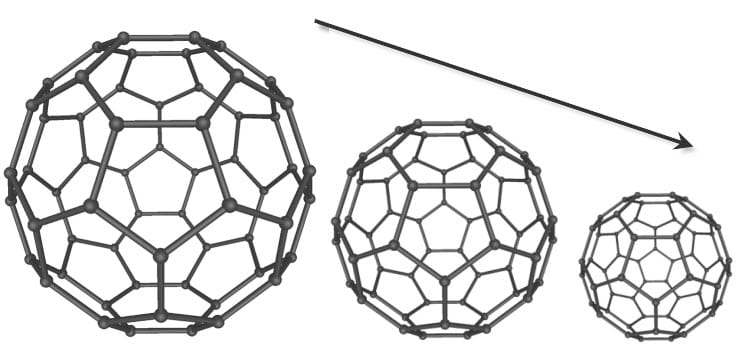
Size matters, according to researchers at the University of Illinois, and as far as hydrogen fuel cells are concerned, smaller is better.
University scientists have been working on shrinking fuel cells, hoping that a diminutive size will make them both more cost effective and, if enough are used together, more powerful. The effort relies heavily on nano-technology. For the first time, researchers have been able to develop a small hydrogen fuel cell that uses bacteria as an energy source.
The tiny fuel cell is the first of its kind in the world. Its total volume is just over 0.4 microliters and was built using microfluidics, a method of fluid control. Both the anode and cathode, critical components of every fuel cell, are the width of a human hair. Because of the fuel cell’s size, it can use bacteria as a form of energy.The University of Illinois has a track record of creating tiny fuel cells.
In 2008, researchers at the University developed a fuel cell that was only a 3 millimeter square, the smallest such device at the time. As time progressed, the fuel cells coming from the University continued to shrink in size, but not function. Now, the new fuel cell not only trumps its predecessors in size, but also generates more electricity than previous models. This new biological fuel cell may prove to be the future of alternative fuel. Researchers say that the nano-materials used in the fuel cell are easily mass-produced at low cost, meaning that the fuel cell scales well as it grows in size. Such materials can be used in conventional fuel cells to all but eliminate their financial drawbacks.How was this article?
Thanks for the feedback!