Riverside Transit Agency Unveils Hydrogen Infrastructure and Fuel Cell Buses
Riverside Transit Agency has opened a liquid hydrogen refueling station and deployed its first five fuel cell electric buses, initiating its shift from natural gas to a zero-emission fleet under California regulation.
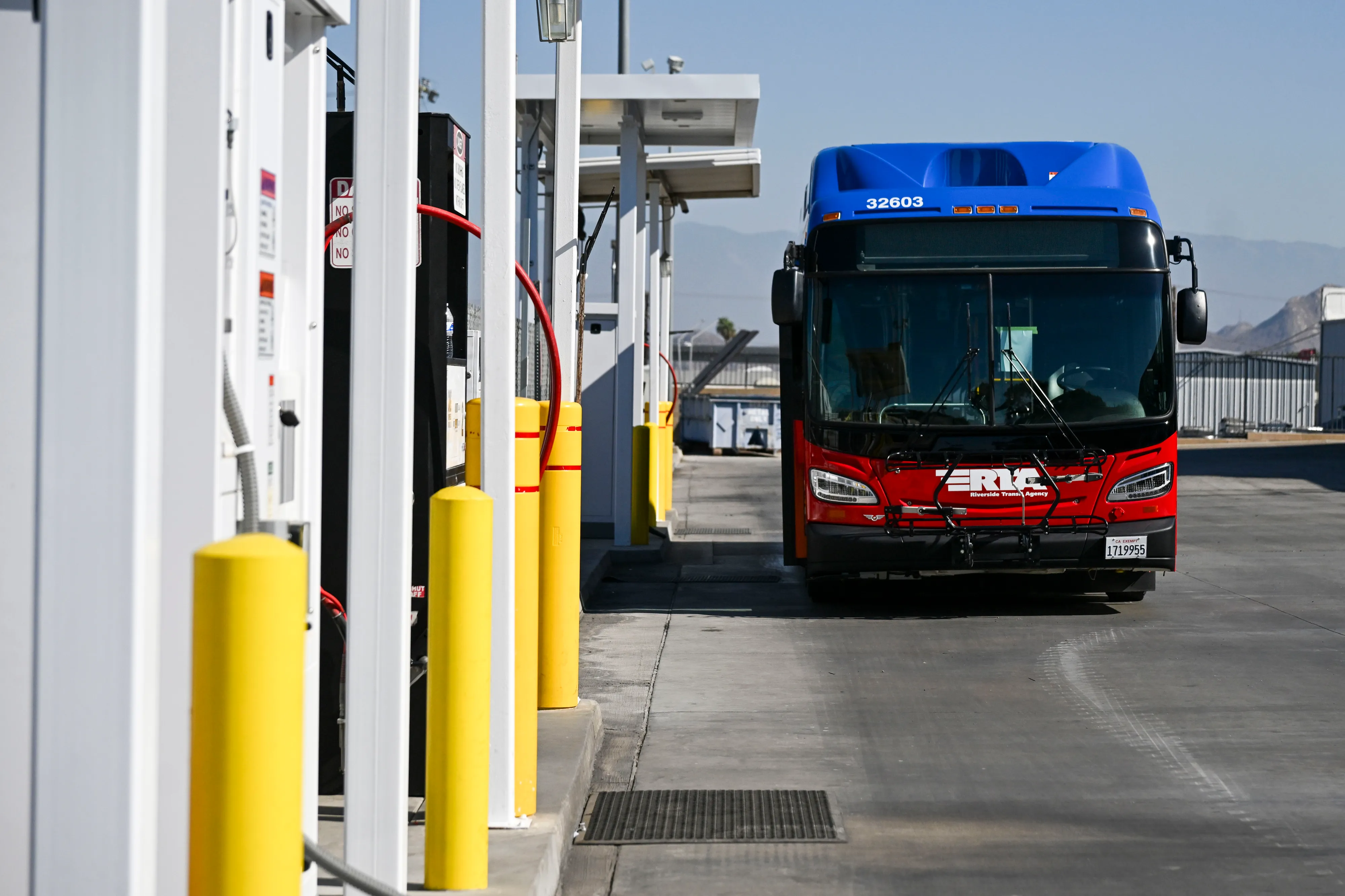
Imagine zooming around Riverside and leaving nothing but a bit of water vapor behind you. Sounds pretty futuristic, right? Well, it’s not just a dream anymore! The Riverside Transit Agency has officially opened a hydrogen refueling station at their headquarters, and they’ve started running their first five fuel cell electric buses. This marks a significant leap for an agency that made the switch to compressed natural gas back in 2001, serving a whopping 14 cities across about 2,500 square miles in western Riverside County.
A Zero-Emission Pivot
Thanks to California’s Innovative Clean Transit rule, public bus operators are on a mission to ditch combustion engines. By 2025, they need to ensure that 25% of new bus purchases are zero-emission, then ramping up to 50% by 2028 and going fully electric by 2029. The Riverside Transit Agency (RTA) took the challenge head-on with their 2020 Zero-Emission Rollout Plan, choosing hydrogen fuel cell electric buses to meet the needs of commuters. These beauties promise long ranges and quick refueling times that rival diesel—vital for routes that cover suburban areas, industrial hubs, and places where air quality is a concern.
Regulatory Impetus
With the California Air Resources Board leading the way, each large transit agency has to show how they’ll meet these regulations all the way to 2040. RTA’s plan included some serious number crunching, looking at routes longer than 300 kilometers and tight bus schedules. They concluded that battery-electric buses might struggle with fast turnarounds. This strategic move helped them tap into critical funding opportunities, including grants for low or no-emission projects and state clean transit subsidies.
Building the Hydrogen Backbone
To turn this vision into reality, RTA needed a mix of grants and local investment. The Riverside County Transportation Commission pulled together $8.7 million for depot stations and $5.1 million to kickstart their fleet of five buses. In a competitive bid, Clean Energy Fuels Corp. snagged the project, designing and developing a private hydrogen station. They’ve even set up a long-term supply agreement to keep fuel costs in check and logistics running smoothly.
Securing Hydrogen Supply
With a solid off-take agreement in place, Clean Energy ensures reliable liquid hydrogen deliveries at fixed rates. While most of today’s hydrogen comes from steam-methane reforming, RTA’s got plans to add renewable-powered electrolysis in future fuel batches. This is a step toward green hydrogen production, which would not only cut down emissions but also boost local air quality efforts. Everything from cost stability to safety is a priority with the depot’s design, helping to minimize any fuel loss and lining up with new methods of hydrogen storage across the industry.
Behind the Station
Thanks to Nikkiso Clean Energy & Industrial Gases Group, the station features cryogenic pumps, vaporizers, safety systems, and a boil-off gas compressor to recover any evaporated hydrogen. The station's design is robust, supporting up to 69 buses in Riverside and 50 in Hemet, with the capacity to dispense around 2,000 kilograms of hydrogen daily. Two high-pressure dispensers can fuel a standard 40-foot bus in just 6-10 minutes, keeping pace with diesel refueling.
Fuel Cell Buses Hit the Road
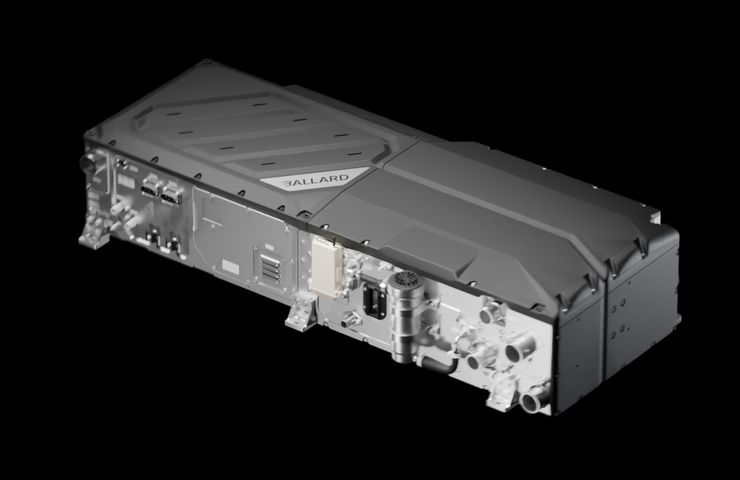
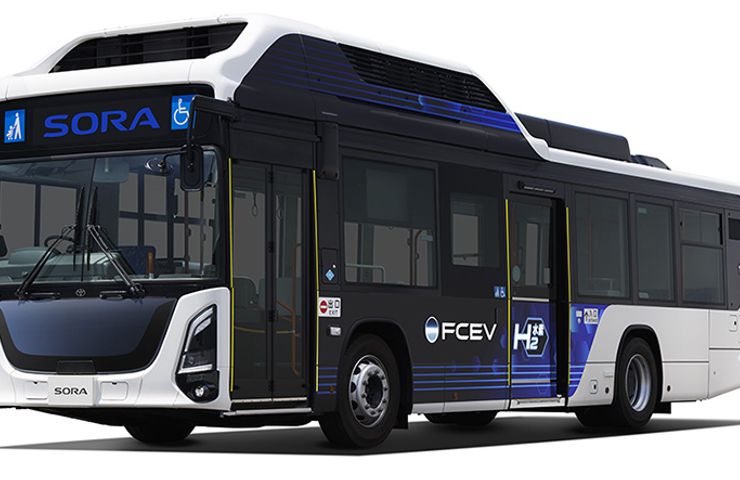
The first five hydrogen fuel cell electric buses have officially replaced CNG vehicles without skipping a beat. Each one features a proton exchange membrane stack and storage for hydrogen, and they can travel over 300 kilometers on a single charge. With buffer batteries onboard to handle acceleration and regenerative braking, these buses are ready for action. Mechanics are undergoing thorough training on high-voltage safety and cryogenic handling, ensuring these new vehicles integrate well into daily service.
Balancing Act: Costs and Benefits
Sure, the initial investment for hydrogen buses and their infrastructure can be 40-130% higher than battery-electric options. However, RTA sees the private depot model as a game changer, helping keep fuel expenses predictable and reducing the risk of price swings. For those longer routes with quick stops, the fast refueling and high energy density of hydrogen really makes it a smart choice.
Joining a Broader Ecosystem
RTA’s new hydrogen depot is part of California’s DOE-backed hydrogen hub efforts, which anticipate more than a thousand fuel cell buses and several refueling stations across the state. They’re not just going it alone; data on fuel usage, station performance, and maintenance will feed into a broader network, helping other transit agencies make decisions about hydrogen fuel cell vs battery electric options.
Local Air and Beyond
Making the switch to hydrogen fuel cell electric buses means kicking tailpipe NOx and particulate matter to the curb. That’s a huge win for Riverside County’s air quality. While the pollutants are gone, the real climate impact will depend on how much renewable hydrogen makes it into the fuel mix. That’s something RTA and state regulators are continuously working on. It’s a reminder of how vital it is to pair hydrogen infrastructure with green hydrogen production pathways to truly achieve zero emissions. And riders? They’re enjoying quieter, smoother trips, while communities near busy routes breathe a little easier.
Looking Ahead
With five buses on the road already, RTA has plans to ramp up to 100 fuel cell vehicles over the next decade and open a sibling station in Hemet. As they add more renewable hydrogen to the mix and share what they learn, Riverside could very well set the standard for rolling out zero-emission technology in sprawling areas where cars dominate. RTA is all set to buy more hydrogen buses this year, boosting their zero-emission ridership and refining depot operations. Plus, they’re kicking off community outreach and rider education programs to highlight the benefits and ensure every transition is smooth sailing along the routes.
About Clean Energy Fuels Corp.
Clean Energy Fuels Corp. specializes in developing and operating natural gas and hydrogen fueling infrastructure for transportation fleets. They’re passionate advocates for low-carbon energy and are playing a key role in supporting the shift to zero-emission transport across North America.