South Africa Leverages Platinum Assets for Hydrogen Fuel Cell Push Amid China Outreach
South Africa is leveraging its platinum reserves and high-level China engagement to position PGMs at the core of hydrogen fuel cell and green molecule value chains.
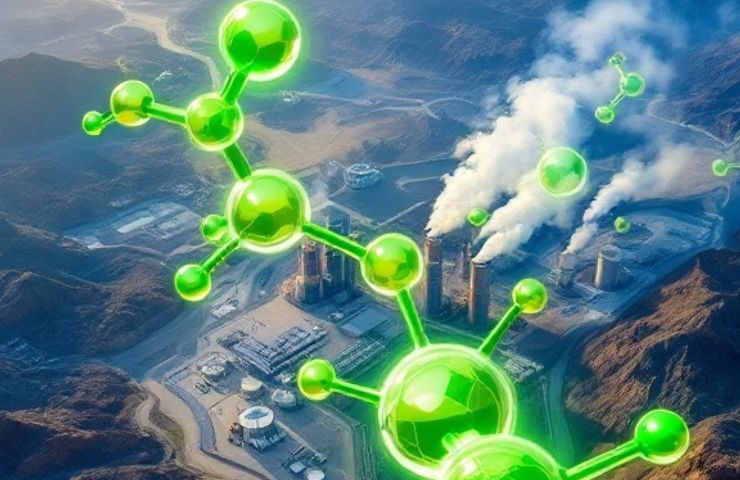
So, here's the scoop: Sibanye-Stillwater is really putting its foot down, claiming that its South African platinum assets are some of the best in the world. But it’s not just boasting; it’s all part of a bigger picture as South Africa tries to turn its rich mining history into a powerful position in the booming hydrogen economy. On top of that, Deputy President Paul Mashatile just wrapped up a mission in China, focusing on hydrogen energy and fuel cell technologies. This trip really highlights how South Africa is shifting gears towards green energy and moving away from just traditional mining.
Market Context
Now, let’s talk numbers. South Africa has over 70% of the world’s platinum group metals (PGMs). These precious resources have been essential for catalytic converters in gasoline-powered vehicles. But as automakers go electric and emissions standards keep tightening, miners and policymakers are scrambling to pivot. The aim? To redirect platinum, palladium, and rhodium into proton-exchange membrane fuel cells and electrolyzers. By dubbing its assets as “the world’s best,” Sibanye-Stillwater is looking to establish its South African operations as a top-tier, low-cost catalyst supplier in the green hydrogen sector.
Strategic Angle: PGM to Fuel Cells
Diplomatic Outreach in China
During his trip to Beijing, Deputy President Paul Mashatile led discussions on boosting cooperation around hydrogen production, rolling out fuel cells, and transferring technology. China is a heavyweight in investing in electrolyzer manufacturing and fuel cell vehicles. This could open doors for joint ventures and financing opportunities for South African green hydrogen projects. While they’re still negotiating formal agreements, the message is clear: South Africa wants to leverage its precious metal resources alongside Chinese investment and tech expertise.
Green Molecules and Export Potential
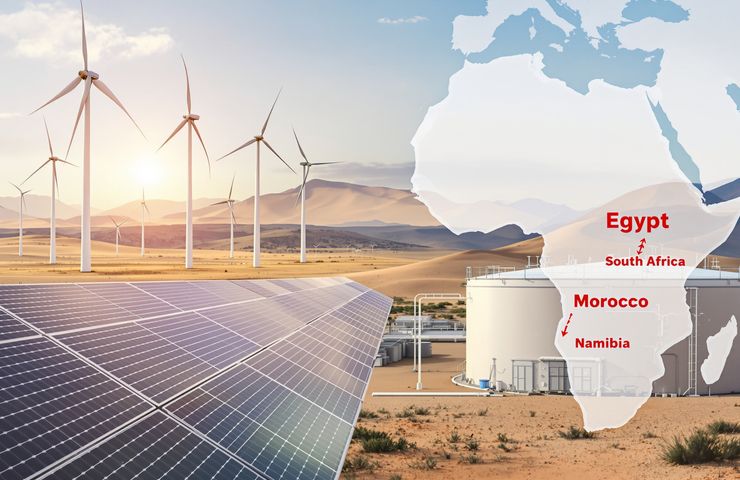
Now, let’s break down this idea of “green molecules.” This term really covers hydrogen-derived fuels—think green ammonia, e-methanol, and other synthetic feedstocks that come with almost zero emissions. These clean fuels are targeted at sectors like shipping, fertilizers, and heavy industry, which are especially hard to electrify. With its rich renewable resources and deepwater ports, South Africa has a golden opportunity to build export hubs. By tying together PGM mining, renewable energy, and agreements with international buyers, the country can aim for a more lucrative role in the market instead of just shipping out raw materials.
Main Insights for Stakeholders
Comparative Developments
Looking globally, places like Australia, Chile, and Norway are already rolling out green hydrogen plans that connect their mineral resources with renewable energy and export markets. What sets South Africa apart is its massive PGM reserves, which directly supply fuel cell stacks. Take China’s pilot zones in Guangdong and Hebei, for example—they're showing how backing from the government can speed up hydrogen projects domestically. South Africa could take a page from their book and create special economic zones focused on hydrogen tech.
What to Watch Next
As we look ahead, keep an eye out for:
In the rush towards global decarbonization, South Africa’s main challenge is to leverage its PGM resources and create integrated hydrogen value chains. With major players in mining aligning, diplomatic efforts ramping up, and discussions around green molecules gaining traction, the country is clearly making its mark. Their success will depend on securing financing, forming partnerships, and establishing strong policies, but it looks like they’re laying the groundwork for an exciting new chapter in industrial decarbonization.