SwRI Introduces Medium-Duty Hydrogen Spark-Ignited Engine with Diesel-Like Torque
SwRI’s new spark-ignited hydrogen engine for medium-duty trucks delivers diesel-grade torque and near-zero CO₂ emissions, leveraging intake port optimization, turbocharging and a bespoke control system.
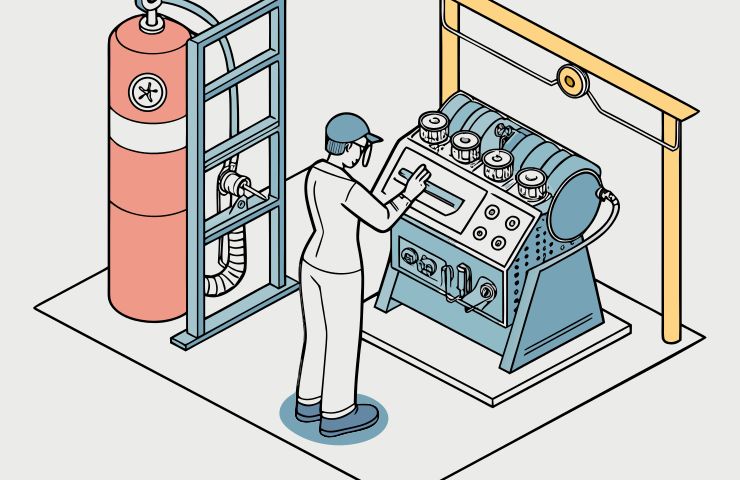
So, you’ve probably heard a lot about hydrogen fuel cells and battery-electric trucks lately, but what if we could just ditch diesel completely and use hydrogen in an engine that feels a lot more familiar? Well, that’s exactly what the Southwest Research Institute (SwRI) claims to have achieved with their spark-ignited hydrogen engine, specifically designed for medium-duty commercial vehicles. Picture this: you get the torque you expect from a diesel engine while keeping CO₂ emissions at practically zero when it's running on hydrogen.
From Heavy-Duty to Medium-Duty: A Logical Progression
The journey SwRI undertook with hydrogen internal combustion engines (ICE) has been pretty fascinating. They initiated their work through the H2-ICE and H2-ICE2 consortium projects, which led to the development of a Class 8 truck prototype that slashed CO₂ emissions by a whopping 99.7% compared to traditional diesel and nailed those ultra-low NOx targets. Recently, they've shifted gears, using their test cells and vehicle integration resources at their San Antonio campus to shrink down that heavy-duty technology to fit medium-duty applications like delivery vans, box trucks, and specialized fleets.
Key Design Innovations
Now, you might think converting a diesel engine to run on hydrogen would be a walk in the park, but it’s not just a matter of swapping out injectors. Hydrogen burns differently; it has a fast flame speed and a wide flammability range, which means you have to rethink airflow and combustion control. The engineers at SwRI really got creative:
- They re-engineered the intake port geometry to create swirl and tumble patterns that play nicely with hydrogen's quick burn rate.
- They upped the size of the intake valves to enhance efficiency and keep combustion stable, even under heavy loads.
- New hydrogen-specific injectors were developed to carefully meter gaseous H₂ into each cylinder or intake port.
- The system integrates turbocharging to raise intake pressure, delivering diesel-level torque even when the engine runs slowly.
- They fine-tuned a dedicated engine control unit (ECU) to synchronize everything—hydrogen injection timing, spark advancement, boost, and air-fuel ratios for a lean-burn operation.
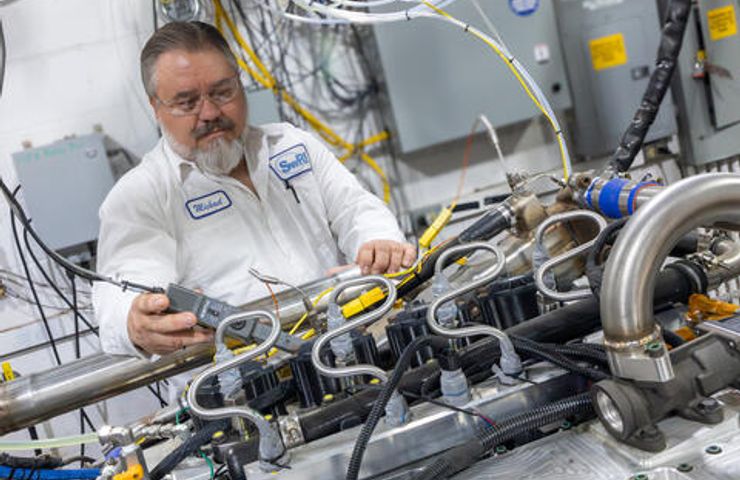
Thanks to these innovations, the engine still feels a lot like a modern diesel. You’ve got familiar components under the hood, like a cooling jacket and crankshaft, but instead of burning hydrocarbons, you’re feeding it compressed hydrogen from onboard tanks.
Why Hydrogen ICE Matters for Medium-Duty Fleets
Medium-duty commercial trucks face a unique challenge when it comes to decarbonization. They tend to clock dozens of hours every week on regional routes, where battery-electric options might struggle with range, payload limitations, or even charging infrastructures. While fuel cells can be a solution, they can also be pricey and complex. That’s where a hydrogen spark-ignited engine steps in: it can seamlessly fit into existing manufacturing lines and service networks, giving fleet operators a practical way to drastically cut CO₂ emissions without needing to retrain their technicians or completely redesign their vehicles.
The heavy-duty prototype from SwRI already showed that you can hit impressive torque and power—like 440 horsepower and 1,760 lb-ft on their Class 8 testbed—while keeping CO₂ emissions close to zero and achieving ultra-low NOx levels. The medium-duty variant takes those insights and packages them into a smaller engine, still maintaining that focus on charge density, flow control, and combustion timing. The company suggests that it could be treated as a straightforward diesel replacement in popular chassis platforms.
Technical Dive: Managing Hydrogen’s Fast Flame Speed
One tricky aspect of hydrogen is that it ignites in mere microseconds and burns faster than gasoline flames—up to three times faster in fact. If left unchecked, this can lead to pre-ignition or backfire, which is less than ideal. SwRI tackled this by focusing on the intake: they reshaped the ports and enlarged the valves to ensure a well-mixed, lean charge is ready for a controlled spark-ignition. The turbocharger plays a key role too, increasing oxygen density so that you’re not just speeding up the flame front; you’re cramming more air and hydrogen molecules into each cylinder.
On the electronic side, the ECU is smart; it adjusts in real-time. If it picks up that combustion is approaching the edge of what's ideal, it can rewind the spark or tweak the boost to keep things running smoothly. During cruising, the system can operate ultra-lean to reduce NOx emissions, but it can ramp things up slightly under load or during quick acceleration to avoid knocking.
Strategic Implications
By expanding hydrogen ICE technology from heavy-duty to medium-duty applications, SwRI is broadening the market for clean hydrogen and helping to improve the economics of refueling stations. Each additional medium-duty truck on the road boosts the demand for hydrogen infrastructure, which in turn can lower the costs associated with hydrogen production and compression. For policymakers grappling with tough greenhouse gas and air quality regulations, this innovation provides another potential pathway towards compliance, sitting alongside battery-electric and fuel cell vehicles.
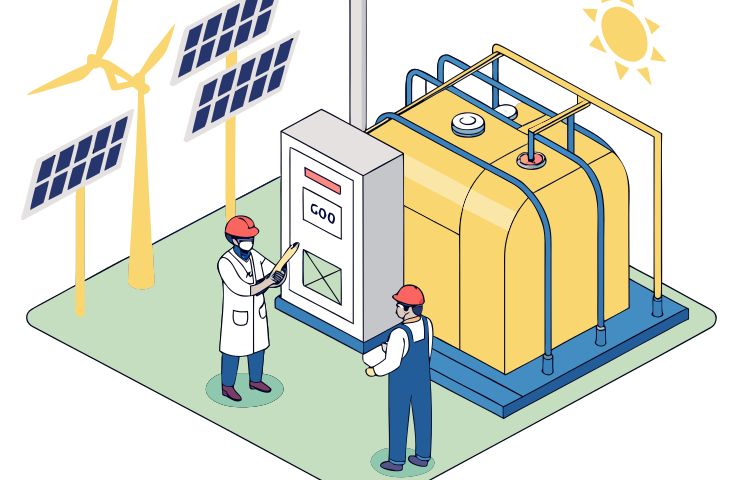
That said, the climate benefits hinge on where the hydrogen comes from. If it's gray or blue hydrogen, you might lose some of those gains. But using green hydrogen produced through renewable sources can really maximize CO₂ reductions. Regardless of whether it’s centralized production or created on-site, utilizing hydrogen in a familiar ICE format means a softer learning curve for fleets and service networks.
Looking Ahead
Right now, SwRI hasn’t yet shared any specific fleet pilot programs, but their engine is all set for integration into commercial medium-duty chassis. As some original equipment manufacturers (OEMs) start exploring hydrogen ICE alongside fuel cells, this could really speed up acceptance in the broader industry. In the race to cut emissions from freight transport, hydrogen spark-ignition technology might not be the end goal, but it could serve as a critical stepping stone. If you manage a regional delivery or specialized fleet and you’re on the lookout for diesel-like performance with almost zero tailpipe emissions, it might be time to peek under that hydrogen hood!