Valencia Greenlights €76M for bp’s Castellón Hydrogen and Sustainable Fuels Projects
Valencian authorities approved €76 million to boost bp’s Castellón refinery green hydrogen demonstrator and sustainable fuel pre-treatment, reinforcing its industrial decarbonization strategy.
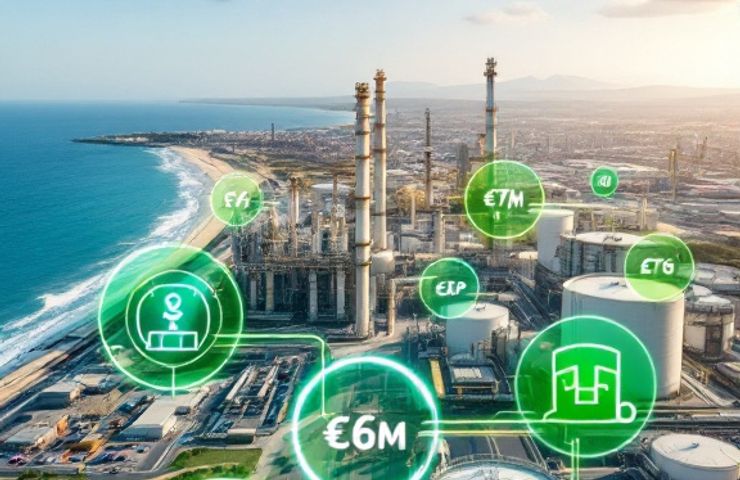
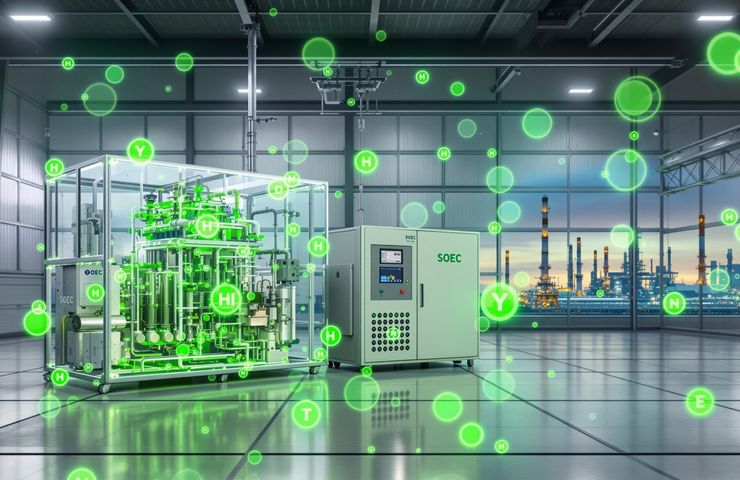
The Generalitat Valenciana has greenlit a hefty €76 million aid package this month for two key projects at bp's refinery in Castellón. This funding aims to support a large-scale renewable hydrogen demonstrator through Castellón Green Hydrogen Phase 2 S.L., along with an advanced pre-treatment unit that’s all about sustainable aviation fuel (SAF) and hydrotreated vegetable oil (HVO).
Funding Split and Structure
As part of the FEDER Comunitat Valenciana 2021-2027 program, managed by Ivace+i, around €66.3 million is set aside for the hydrogen demonstrator. The remaining €9.7 million is backing the pre-treatment facility for SAF and HVO. Payments are expected to roll out in stages through to 2029, timed with construction milestones and operational ramp-up. Officials highlight that these grants are structured to take on early-stage risks, which in turn allows private capital to focus more on system integration instead of heavy upfront costs.
While specific employment projections are still under wraps, local officials anticipate that these projects will create hundreds of construction and engineering jobs over the coming years. Once construction is done, there will be a dedicated crew for operations and maintenance. There's also a synergy with logistics at Castellón port, which is well-equipped to handle hydrogen cylinders and liquid fuels for European markets.
By tapping into EU regional funds tied to recovery and cohesion efforts, the Valencian government aims to show that local actors can really drive industrial decarbonization without having to wait for national or EU grants.
Building on a Staged Decarbonization Strategy
This financial boost aligns with a strategy that bp introduced back in early 2023, when they kicked off the HyVal green hydrogen cluster at the Castellón refinery— the only one of its kind in the Valencian Community and under bp’s operation since it took control in 1991. HyVal has a bold plan to ramp up electrolysis capacity to 2 GW by 2030 and to increase biofuels production from around 200,000 tonnes to 650,000 tonnes per year before the decade wraps up.
Just last year, bp and Iberdrola finalized an investment decision for a 25 MW electrolyser, powered by a long-term agreement with Iberdrola’s renewable energy sources. That unit, currently in commissioning, is set to produce about 2,800 tonnes of green hydrogen annually and reduce CO₂ emissions by roughly 23,000 tonnes, which shows how this whole green hydrogen production initiative is really taking shape.
These new grants act as a critical policy layer, bridging the gap between pilot projects and a larger industrial cluster that can utilize port facilities for exporting and distributing by-products.
Decarbonizing Through Electrolysis at Scale
Hydrogen currently accounts for almost half of the refinery’s direct CO₂ emissions, as they’ve been producing grey hydrogen on-site via steam methane reforming (SMR). With plans to roll out electrolysis modules that split water into hydrogen and oxygen using renewable energy, bp is aiming to cut down on that emissions source. If they fully expand this demonstrator, the hydrogen produced will supply hydrotreaters and other high-pressure applications, potentially slashing up to 60% of the refinery's hydrogen-related carbon footprint.
On a larger scale, this electrolysis endeavor could demand several gigawatt-hours of renewable electricity, highlighting just how crucial grid upgrades and local power purchase agreements are. There's also an uptick in water demand, with estimates suggesting around four liters of water are needed for every kilogram of hydrogen produced. In a Mediterranean climate, securing sustainable water sources is absolutely essential.
Pre-Treatment Tech for SAF and HVO
The second initiative zeroes in on advanced feedstock pre-treatment technologies, crucial for purifying and conditioning bio-based oils and fats. This spans waste cooking oils, used lubricants, and agricultural by-products prior to hydrotreating. By removing contaminants like chlorides and metals, this pre-treatment process not only protects the catalysts but also ensures smooth hydrogen integration.
This step is vital for producing sustainable aviation fuel that meets ISCC certification as well as hydrotreated vegetable oil compliant with EN 15940 renewable diesel standards. With tougher EU emissions regulations coming for transport fuels, this project positions Castellón as a low-carbon hub for fuel producers and airlines aiming to cut down on their life-cycle emissions.
Strategic and Policy Implications
These dual investments illustrate how regional and EU funds can expedite industrial decarbonization under national hydrogen roadmaps. Subsidies are filling financing gaps that have previously held back many hydrogen initiatives, facilitating a smoother transition from pilot testing to commercial viability. For bp, Castellón is prime ground for testing its envisioned integrated hydrogen and biofuels model, showcasing a blueprint that could be replicated across its European operations.
Spain's hydrogen auction mechanism and recent EU guidelines for renewable fuels of non-biological origin (RFNBO) are generating market signals that might pave the way for future developments. If the pilot outputs meet the necessary quality and sustainability standards, Castellón could snag further incentives under EU carbon contracts and water management programs.
Independent Analysis and Sector Challenges
Research from the Institute for Advanced Sustainability Studies (IASS Potsdam) and McKinsey & Company points to ongoing challenges, such as limited water resources, grid interconnection delays, and the shaky economics of green hydrogen without solid offtake agreements. Castellón's two-track approach—merging hydrogen with advanced biofuels—aims to diversify funding streams and lessen technological risks, though the timeline for scaling up electrolysis still needs some clarity.
Local permitting delays and the need for grid capacity improvements might create hurdles, showing that consistent policy and infrastructure planning are just as vital as grant funding.
Looking Ahead
This funding from Castellón demonstrates that local authorities are ready to back ambitious clean energy transformations. Now it’s up to bp to attract private investors, nail down long-term offtake agreements for green hydrogen and SAF, and hit those emission reduction targets. Achieving success in Castellón could provide a valuable template for turning old refineries into hubs for renewable hydrogen and sustainable fuel production across Europe. If they don’t move quickly, they risk falling back on subsidies and missing out on market opportunities for low-carbon energy solutions.
As the EU speeds up its push for hydrogen and decarbonization, the Castellón cluster is set to be an early indicator of whether funding coordination, clear regulations, and strong industrial leadership can transform traditional refining into a modern, clean energy hub.