GenH2 Leverages Sale-and-Leaseback to Boost Hydrogen Infrastructure Growth
GenH2 Corp. has sold and leased back its Titusville facility, securing mid single-digit millions to fund hydrogen infrastructure growth and R&D.
GenH2 Corp. has wrapped up a sale-and-leaseback agreement for its headquarters and manufacturing center located in Titusville, Florida. This move is not just a financial maneuver; it’s a fresh injection of cash aimed at boosting their hydrogen infrastructure operations. The deal, which was unveiled by parent company Path2 Hydrogen AG in early September, has freed up millions of dollars while allowing GenH2 to continue using the facilities through a new lease with a private investor who's kept under wraps.
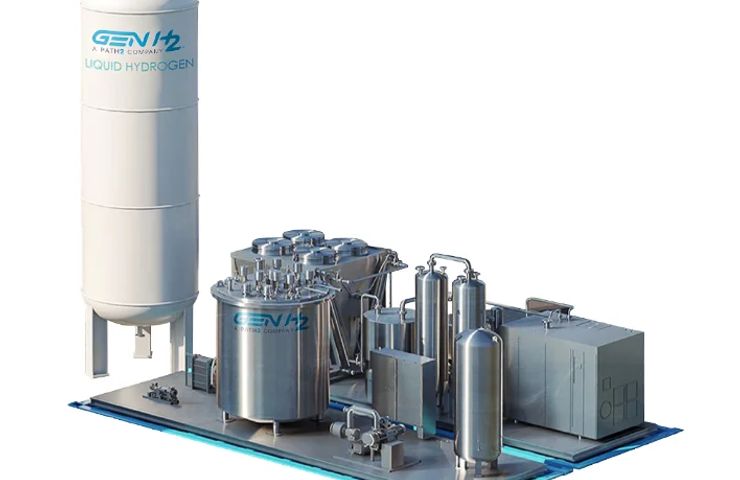
In simple terms, this arrangement transfers ownership of GenH2’s industrial campus, where they handle advanced liquid hydrogen liquefaction, storage, and cryogenic testing, into a landlord-tenant setup. The cash from this transaction is slated for all sorts of initiatives, including expanding their commercial footprint, ramping up production to reduce backlog, and investing in research and development across their product range, which includes everything from zero-loss controlled storage to large-scale liquefaction units. While the details about the lease economics and who the investor is remain under wraps, it’s clear that this approach reflects a smart move to boost working capital while keeping operations smooth.
This shift really highlights how players in the hydrogen sector are navigating the tough financing landscape. With hydrogen production and storage often coming with hefty upfront costs and the worries tied to securing buyers and permits, finding creative funding solutions is becoming essential. For GenH2, leveraging their real estate assets helps them funnel funds into their core technologies and market strategies while managing ongoing lease payments as a new cost of doing business.
Unlocking Liquidity Through Sale-and-Leaseback
So, what’s the deal with sale-and-leaseback financing? Essentially, it’s about selling off owned assets—often real estate or heavy equipment—and leasing them back to keep business as usual. In GenH2's case, they converted ownership of their Titusville campus into a cash boost, then struck a long-term lease with the private investor. This setup can help a company’s balance sheet by turning fixed assets into cash, which can then be pumped back into growth initiatives while maintaining full operational control. Sure, lease obligations are a new financial commitment, but the quick liquidity often compensates for those extra costs, especially when accessing new capital is tough.
GenH2’s Cryogenic Infrastructure and Storage Systems
At the core of GenH2’s operations is their liquid hydrogen infrastructure, which includes liquefaction systems, insulated transfer lines, and storage solutions designed to reduce boil-off losses. They’ve developed a standout technology called zero-loss controlled storage. This nifty system blends advanced cryogenic insulation with active pressure management, keeping hydrogen super cold and minimizing evaporation. Plus, their modular liquefaction units are capable of turning gaseous hydrogen into liquid on a large scale, increasing the volumetric density by about 800 times compared to high-pressure gas. These technologies are crucial for various applications, from fueling heavy-duty trucks and maritime fuel cells to providing backup power where efficient hydrogen storage is vital.
Hydrogen Project Financing in a Challenging Market
A global analysis from heavyweight institutions like the World Bank, the OECD, and Oxford Energy sheds light on a significant financing gap in the clean hydrogen sector. Many projects are stumbling over high initial costs, fluctuating policies, and worries about meeting demand. Take a typical hydrogen refueling station—it can demand tens of millions in upfront costs before it ever starts bringing in dollars. Enter sale-and-leaseback agreements, which can act as one of the risk-reducing tools in this landscape by improving immediate cash flow without diluting equity or solely relying on debt. However, it’s worth noting that this strategy turns asset value into lease obligations, potentially pinching future profits if market expansion doesn’t go as planned.
Platform Play: Path2 Hydrogen’s Strategic Momentum
GenH2 joined the ranks of Path2 Hydrogen AG following an acquisition back in 2025, which positioned the U.S. infrastructure expert within a wider European hydrogen strategy. Since then, Path2 Hydrogen has been busy building partnerships, acquiring more assets, and making its presence known in public markets. This recent sale-and-leaseback move aligns with their overarching strategy: by keeping operational assets flexible under leases, they can invest capital in expanding their technology capabilities and breaking into new markets, rather than letting cash sit in real estate.
Local Ecosystem and Operational Continuity in Titusville
Titusville, Florida, is a hub nestled right in the Space Coast corridor, boasting a rich history of aerospace and advanced manufacturing, all thanks to its closeness to the Kennedy Space Center and Cape Canaveral. By deciding to keep its campus as a leased facility, GenH2 ensures that operations for engineering, testing, and producing cryogenic hydrogen systems can keep rolling in a region filled with specialized supply chains and skilled workforce. This sale-and-leaseback setup isn’t about downsizing or packing up; it means staff and contractors will continue their work on-site, ensuring projects stay on track while fulfilling existing orders.
Balancing Growth, Obligations, and Market Risks
While this fresh capital allows GenH2 to speed up product development and meet order commitments, it’s important to recognize the trade-offs with sale-and-leaseback deals. Lease payments are now a fixed cost that the company needs to cover with revenue, which might fluctuate based on how quickly hydrogen infrastructure gains traction. Long-term lease commitments might also limit flexibility when it comes to scaling down or reconfiguring assets if there’s a shift in demand. For emerging clean energy companies with limited access to traditional financing, cashing in on owned facilities can often be one of the few ways to keep growing.
GenH2’s recent transaction is part of a broader trend in the clean hydrogen space: as governments push for boosting green hydrogen production and reducing emissions in industry, developers are becoming more creative with their financing. They’re looking at various financial tools—everything from subsidies to risk guarantees and asset monetization—to navigate the capital crunch. By reinvesting the money from this sale into R&D, GenH2 could unlock new efficiencies in liquefaction or advanced pressure management, giving them a leg up in a competitive landscape.
Investors and industry watchers will be keen to see how GenH2 channels this new capital, whether into ramping up manufacturing, speeding up product certifications, or expanding hydrogen refueling stations. As the sector evolves, balancing asset-light strategies with sustainable growth will be pivotal. For both GenH2 and Path2 Hydrogen, the real test will be turning this improved financial position into increased market presence and technological leadership—an essential stride in the ongoing journey toward zero-emission transportation, power generation, and industrial needs.