GeoPura to Deliver Six Zero-Emission HPUs to UK RAF
GeoPura will deliver six hydrogen power units to the UK RAF to replace diesel generators at English airfields, providing zero-emission off-grid electricity. The deployment supports the RAF’s net-zero by 2040 target, builds on successful MOD trials and reinforces GeoPura’s scaling strategy backed by a £56 million investment.
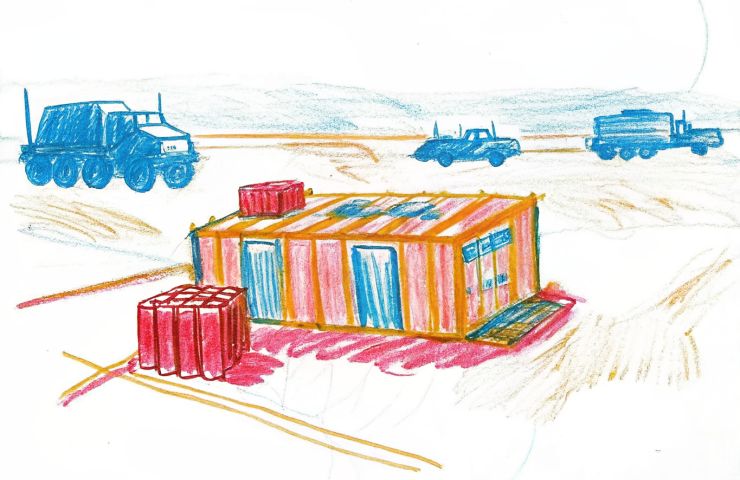
In an exciting move for cutting down emissions in defense infrastructure, GeoPura has landed a contract to deliver six containerised hydrogen power units (HPUs) to the UK Royal Air Force (RAF). These nifty units are set to replace traditional diesel generators at several RAF airfields across England, providing zero-emission electricity for base operations, charging electric vehicles, and supporting temporary microgrids. This announcement comes on the heels of promising hydrogen power trials under the Ministry of Defence’s Future Energy Trials and Sustainable Road Transport programmes, where HPUs successfully powered EV chargers at bases like RAF Leeming. This rollout is a big step towards the RAF's goal of reaching net-zero by 2040, and it aligns perfectly with the MOD’s Defence Aviation Net Zero Strategy. It's all part of a larger effort to decrease carbon emissions, enhance energy resilience, and lessen supply chain risks that come with diesel logistics.
Strategic Implications
This contract signifies one of the first major rollouts of containerised hydrogen fuel cell technology within a prominent Western air force. By moving away from diesel generators, the RAF is not only reducing its reliance on fossil fuel convoys but is also simplifying logistics and reducing vulnerabilities to transport disruptions. The modular HPUs can be shifted between sites or used in field exercises, boosting operational flexibility. Plus, using zero-emission power at the point of use means local air pollutants—like nitrogen oxides and particulates—are a thing of the past, which is crucial for airfield environments.
Looking at the financial side of things, this switch could actually save money over time. While the initial costs for these units are higher than those for diesel generators, operators are anticipating lower maintenance costs and reduced fuel handling expenses. There are also expected benefits under emerging carbon pricing frameworks. For GeoPura, getting this nod from the RAF is like a stamp of approval, validating their stance in the market as they ramp up production in Newcastle following a hefty £56 million investment round led by the UK Infrastructure Bank and Barclays Sustainable Impact Capital. The company has its sights set on deploying over 3,600 HPUs by 2033, teaming up with partners like Siemens Energy for production and JG Pears for green hydrogen supply through the HyMarnham Power project.
Technical Snapshot
GeoPura’s containerised HPUs are decked out with multiple proton exchange membrane (PEM) fuel cell stacks, multi-cylinder hydrogen storage packs, high-efficiency battery banks, and advanced power electronics—all neatly packaged within a 20-foot ISO container or a mobile trailer. The hydrogen, which is kept pressurized around 300 bar in multi-cylinder packs, powers the fuel cells that convert H₂ and oxygen into DC electricity, with the only byproducts being water and heat. An onboard battery buffers any spikes in demand, allowing the fuel cells to run smoothly and efficiently, while an inverter system delivers three-phase AC power that works with standard base infrastructure and EV chargers.
This modular design allows for various operating modes: off-grid primary power, grid-synchronized backup, or integration into microgrids alongside solar PV. There’s even a mobile version, the HPU1-M, that can transport up to five multi-cylinder packs (with an 85 kg H₂ capacity, roughly equivalent to 2.8 MWh of energy), enabling days of continuous operation without needing a refuel in moderate-load scenarios. Remote monitoring and automated controls take care of everything from startup to diagnostics, meeting stringent reliability standards required by defense operations.
Main Insights
- Decarbonisation in Defence: This project highlights how hydrogen fuel cells can be practically used in essential operations, supporting the RAF’s net-zero ambitions.
- Energy Resilience: Off-grid microgrids like this one cut down reliance on local grids and diesel supply chains, enhancing operational security at remote or temporary locations.
- Cost Factors: Although initial capital expenditure is steeper compared to diesel options, ongoing operational costs and potential carbon pricing benefits might level the playing field in the long run.
- Scaling Up: The RAF's adoption boosts GeoPura’s expansion efforts, while projects like HyMarnham Power secure green hydrogen supplies, bolstering the UK’s hydrogen infrastructure.
- Policy Alignment: This initiative fits seamlessly with UK government climate objectives, including the Climate Change Act and the MOD’s Defence Aviation Net Zero Strategy, furthering the defence sector's role in national decarbonisation efforts.
- Market Influence: A high-profile military contract like this one signals a lower risk for other sectors—like data centers and construction—to consider hydrogen generator solutions.
Wider Context and Comparisons
For years, defense bases have relied on diesel generators for backup and off-grid power, thanks to established supply chains and their ruggedness. But diesel generators can be noisy, release harmful pollutants, and complicate logistics. Hydrogen fuel cells became more prominent in research programs back in the late 20th century because they are quieter and more efficient. However, the technology’s adoption stumbled initially due to high costs and limited hydrogen availability.
Recently, advances in PEM fuel cell durability, along with falling renewable electricity costs and increased policy support for green hydrogen, have breathed new life into the sector. Tests conducted by the U.S. Air Force have shown around a 25% increase in fuel efficiency and significant noise reduction compared to diesel counterparts, proving the tech's efficacy. In civilian spaces, GeoPura's HPUs are already powering EV charging hubs across construction sites, festivals, and other grid-support initiatives in partnership with the National Grid. The RAF’s deployment marks a crucial shift from initial trials to actual defense integration, which could set trends for NATO allies and other agencies looking into sustainable energy solutions.
Next Steps and Outlook
The installation of the six HPUs is set to kick off this summer, with two units expected to go live in the early stages and full deployment targeted for October. Over a three-year support contract, the MOD will evaluate operational metrics—like availability, fuel consumption, and maintenance needs—against traditional diesel generators. Meanwhile, GeoPura is working hard to finalize green hydrogen offtake agreements to guarantee a renewable feedstock, aligning with its partnership in the HyMarnham Power hub and other hydrogen production projects.
Stakeholders will be keeping a close eye on what this project means for defense procurement strategies and financing for hydrogen infrastructure. If the RAF rollout meets reliability and cost-efficiency benchmarks, it could spur quicker adoption across other critical sectors. Ultimately, the success of these HPUs might pave the way for a new approach to modular, zero-emission power generation, reinforcing the argument for hydrogen fuel cell technology in both military and commercial landscapes.
As the RAF shifts toward hydrogen-powered ground operations, this deployment could very well be a landmark moment for energy resilience and industrial decarbonisation across a variety of sectors.