Green Hydrogen Infrastructure News: HYPERION Summit in Valladolid Advances Regional Projects
HYPERION’s fifth meeting in Valladolid brought eight European regions together to accelerate green hydrogen infrastructure, featuring CyLH2Valley pilots and policy workshops.
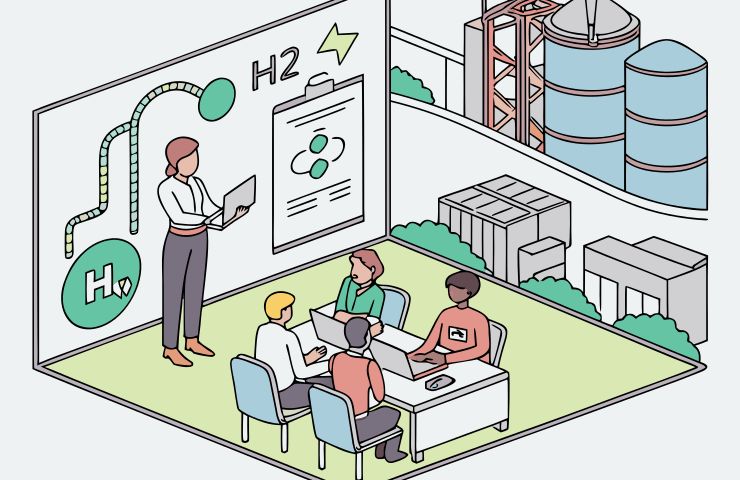
This spring, the city of Valladolid was buzzing with excitement as it hosted the fifth interregional meeting of HYPERION, a European project focused on ramping up hydrogen use across various regions. Led by Mariano Muñoz, the director general of Industry for Junta de Castilla y León, this gathering brought together delegates from eight countries to dive into the real-world challenges surrounding green hydrogen production and the development of strong hydrogen infrastructure for both industry and transport.
Why Valladolid Stands Out
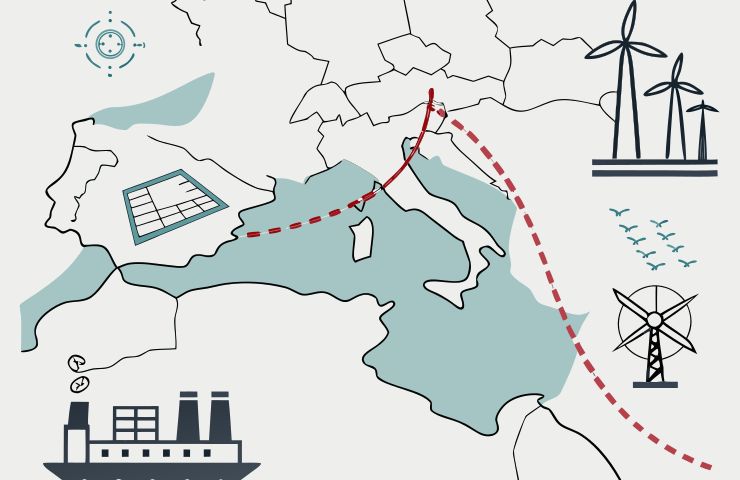
Situated in Spain’s Meseta Norte, Castilla y León has really emerged as a renewable energy powerhouse. With over 14 gigawatts of wind, solar, and hydroelectric capacity in play, it’s no wonder the region is ripe for large-scale hydrogen production methods. The fertile ground here, combined with a rich industrial history—from agro-food to automotive—makes it an ideal location for big strides in hydrogen energy. Delegates couldn’t help but notice the vast open lands perfect for electrolyzer farms, existing high-voltage lines for balancing the grid, and strategic transport routes, including upcoming hydrogen pipelines leading towards Portugal.
What’s more, Valladolid's historical role as a trade and governance hub gives it an edge in fostering policy discussions. Local leaders see green hydrogen as a pathway to rejuvenate rural areas, create new jobs in engineering and maintenance, and provide a sustainable foundation for long-term economic growth in the community.
Diving Into HYPERION’s Interregional Dialogue
HYPERION, co-funded by Interreg Europe, brings together eleven partners from regions in Italy, Belgium, Poland, Romania, Finland, Norway, and Denmark. Over the project’s run, which extends into late 2028, it aims to enhance peer-to-peer learning on regulations, financing options, and technical solutions. The recent gathering in Valladolid followed meet-ups in Italy, Poland, Norway, and Belgium, each one building a collective knowledge base to refine public policy.
During the opening remarks, Mariano Muñoz noted, “Green hydrogen is really stepping up as a key player in the industrial and energy transition because it’s generated from renewables, is emissions-neutral, and can be sourced locally. This helps reduce our reliance on external energy supplies.” He pointed out the ongoing drop in electrolyzer system costs and the rise of modular fuel cell units, shedding light on how these advancements are paving the way for green hydrogen to become a real contender against fossil fuels.
Workshops held at the summit covered various topics, including hydrogen safety protocols, how to connect to the grid, and developing clean hydrogen offtake agreements. Participants also debated the potential benefits of blending hydrogen into existing gas networks, along with the necessary standards to ensure everything runs smoothly across borders.
Spotlight on CyLH2Valley, the Regional Hydrogen Valley
A highlight of the meeting was the visit to CyLH2Valley, an innovative “Hydrogen Valley” project led by CARTIF, in collaboration with the Asociación Castellano y Leonesa del Hidrógeno (H2CYL) and the Universidad de Burgos. This forward-thinking initiative, backed by approximately €20 million in direct funding from Horizon Europe’s Clean Hydrogen Partnership, involves over 35 partners—more than 20 of which are local—and integrates nine pilot demonstrations.
Some of these pilots include:
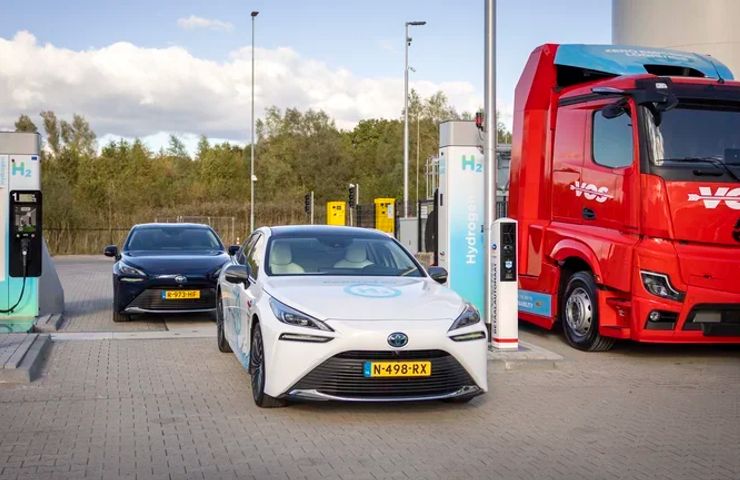
With an annual output projected to exceed 16,800 tonnes of hydrogen and a total investment nearing €400 million, CyLH2Valley is on track to create about 2,000 direct and indirect jobs in the next decade. By demonstrating integrated hydrogen storage, fuel cell vehicles, and synthetic fuel pathways, the valley serves as a real-world laboratory for optimizing costs and refining regulatory knowledge.
Building a Seamless Green Hydrogen Chain
The delegates took an in-depth look at every step of the value chain—from generation to end-use—and discussed best practices for scaling:
The interactive format left participants with a solid understanding of how these segments come together to create viable hydrogen infrastructure ecosystems, backed by streamlined permitting and public-private partnerships.
Driving Industrial Decarbonization
Moving away from carbon-heavy processes is crucial for achieving regional climate goals. By harnessing hydrogen produced locally from renewables, facilities can significantly cut down on scope-2 emissions tied to electricity and phase out fossil-based feedstocks in key industries. Early movers in sectors like agro-food, chemicals, and metallurgy have reported cleaner air and lower carbon taxes thanks to regional incentives.
Industry leaders highlighted that retrofitting existing gas burners to operate on hydrogen has required just a little downtime, while investment risks are lowered with multi-year clean hydrogen offtake agreements. Managers also mentioned that shared infrastructure within a Hydrogen Valley can reduce overall costs and simplify maintenance for compressors, valves, and storage tanks.
Scaling Up Throughout Europe
As pilot clusters validate technical concepts, the next big hurdle is connecting them into expansive, cross-border networks. Delegates discussed the need to harmonize safety codes, certify renewable origins, and align financial instruments to tap into private capital. Initiatives like the EU’s Clean Hydrogen Partnership and national funds such as Spain’s PERTE ERHA were cited as essential enablers.
In the region, the Junta de Castilla y León plans to finalize its 2030 Hydrogen Strategy by the end of the year, in collaboration with CARTIF and European partners. Having a clear roadmap—complete with targets for production capacity, infrastructure rollout, and market penetration—will be vital for securing further hydrogen project financing and attracting manufacturers of electrolyzer systems, storage tanks, and fuel cell units.
Delegates agreed on the importance of publishing a joint roadmap to share performance data and encourage replicable business cases. They also recognized the potential benefits of digital platforms for tracking hydrogen flows in real-time and maintaining open databases to speed up technology transfer.
As the discussions wound down in Valladolid, the consensus was clear: integrated solutions that connect green hydrogen production, storage methods, and logistics can lead to lower costs, reduce regulatory complexity, and spur decarbonization across multiple sectors. The real success will be seen as regions adopt these models and link up via hydrogen corridors, transforming pilot projects into a robust, pan-European clean energy backbone.