Green Hydrogen News: Uruguay Weighs Relocation of HIF Paysandú Plant Amid Argentina Concerns
Uruguay has agreed to study alternative locations for HIF Global’s planned Paysandú green hydrogen plant after Argentina raised environmental and visual impact concerns, highlighting the need for cross-border dialogue in hydrogen infrastructure siting.
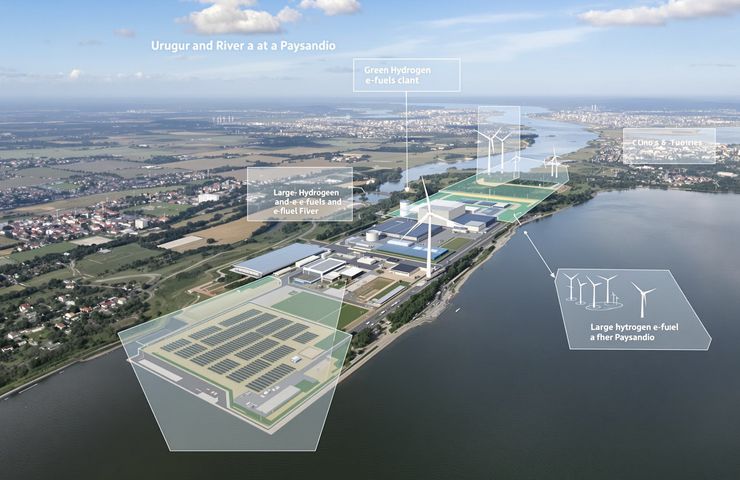
So, here’s the scoop: the Government of Uruguay is taking a closer look at where to put a big megaproject from HIF Global that was initially set to launch in the Department of Paysandú, right near Constancia by the Uruguay River. The shake-up comes after some serious protests from the folks in Entre Ríos and the town of Colón, who are worried about how this could affect their views, the environment, and local communities. This moment is a pretty big deal for South America's green hydrogen goals, showing how the global chase for renewable hydrogen production runs into local worries and the rules around shared water resources.
Uruguay's reevaluation comes as this project is set to be the largest industrial investment in the country’s history, weighing in at roughly $5.3 to $6 billion! It’s under some serious scrutiny based on the Statute of the River Uruguay. Officials from Buenos Aires have pushed to include Colón in the environmental impact study and are suggesting that locations farther away from the riverbank be considered. In response, Uruguay has thrown out the idea of relocating the project to within Paysandú’s industrial zones, which could be a win-win.
Project Overview
- Developer: HIF Global (through HIF Uruguay S.A.) teaming up with state companies ANCAP and ALUR
- Location: Originally set near Constancia/Nuevo Paysandú, right across from Colón, Argentina
- Facilities: Around a 1 GW electrolytic plant, CO2 capture from ALUR’s ethanol operations, and e-fuels synthesis setups
- Annual Output: Targeting 150–180 kt of e-fuels for export
- Investment Scale: More than $5 billion
Stakeholder Perspectives
In Montevideo, the ministries handling Industry, Energy and Mining (MIEM), Environment, and Foreign Affairs are all behind the project, seeing it as key to positioning Uruguay at the forefront of green hydrogen production. They believe this will help decarbonize hard-to-abate sectors using synthetic fuels. Resources like ANCAP’s refinery and ALUR’s captured CO2 are viewed as essential to building a new clean energy supply chain.
On the flip side, the Argentine Government of Entre Ríos, led by Governor Rogelio Frigerio, and the Municipalidad de Colón, under Mayor José Luis Walser, are asking for more formal discussions following the guidelines of the Statute of the River Uruguay. Their worries revolve around how the project might change the landscape, impact tourism, and affect water quality and community health. Argentina’s Foreign Minister, Pablo Quirno, has expressed appreciation for Uruguay’s willingness to consider site alternatives. He believes that might help ease some tensions and even serve as a model for future cross-border projects.
Locally, the Paysandú Departmental Government sees this as a chance for loads of job creation—both direct and indirect—as well as upgrades to infrastructure and increased capacity for exports. Intendente Nicolás Olivera has emphasized the importance of thorough environmental assessments and logistics evaluations, especially when it comes to rail and highway access for any selected site.
Technical Snapshot
This project is all about large-scale electrolysis of water, powered by dedicated wind and solar farms. Picture a 1 GW alkaline electrolyzer breaking down water into hydrogen and oxygen. The hydrogen gets compressed and sent to synthesis reactors, where it merges with biogenic CO2 from ALUR to create methanol. Then, a downstream process converts methanol into e-gasoline or e-fuels, which can be stored, transported, and used in regular combustion engines.
The goal here is to tap into Uruguay’s nearly 100 percent renewable power grid, making it a likely hub for clean hydrogen and e-fuel production. But there are hurdles to clear, like how much water is needed, safely handling hydrogen and oxygen, and keeping track of environmental impacts across borders.
Diplomatic and Regulatory Context
This situation brings back memories of the mid-2000s conflict over the pulp mill in Fray Bentos, where there was a lot of back and forth between Argentina and Uruguay over river impacts. That led to a ruling from the International Court of Justice, making it clear that both countries must communicate and consult under the Statute of the River Uruguay. Nowadays, the bilateral Commission Administradora del Río Uruguay (CARU) is supposed to provide a framework for these sorts of discussions.
Uruguay’s Foreign Minister Mario Lubetkin has been vocal about wanting to avoid a repeat of those old pulp mill troubles, encouraging dialogue through CARU’s platforms. Meanwhile, Argentina’s Minister Pablo Quirno has highlighted how involving Colón in the impact assessment and looking into alternative sites can meet all the required procedures and get community buy-in. Their collaborative statements suggest they’re aiming for a positive outcome, but the timeline and final site choices are still up in the air.
Economic and Environmental Trade-offs
Economically, this facility could pave the way for thousands of construction jobs, plus ongoing operational roles and benefits for sectors like cement, steel, and services. Exporting e-fuels might also provide a nice economic boost, helping diversify Uruguay’s energy exports beyond just electricity. But there are environmental trade-offs too, like massive water needs from the river, potential harm to local habitats near the Islas del Queguay reserve, and the sight of industrial structures from the Argentine side of the river.
Local groups in both countries are rallying support through petitions and discussions. In Uruguay, some residents are gathering signatures for a public vote on any potential relocation of the project, which could lead to mandatory consultations if they get enough backing. In Argentina, community activists are pushing to ensure the updated impact study meets strict guidelines, worried a limited environmental review might overlook the cumulative impacts of the wider renewable energy rollout.
Why This Matters for Hydrogen Infrastructure
This whole case shines a spotlight on the balance between ambitious hydrogen infrastructure plans and the need for local buy-in. As global investors look to dive into sustainable energy opportunities, they’re learning that big projects, often totaling several gigawatts, might clash with local scenic, cultural, and ecological values. Securing social approval is just as critical as getting financial backing and tech licenses.
For the green hydrogen scene, the experiences in Paysandú could set a key example for how communities and neighboring regions collaborate on cross-border projects. Starting conversations early about visual impacts, water rights, and biodiversity can help avoid lengthy delays down the line. A flexible approach to site selection—finding the right balance between renewable power access, CO2 resources, and logistics—might just become the norm for future large-scale installations.
Next Steps and Industry Implications
In the next few months, keep your eyes peeled for Uruguay to roll out a plan for a revised environmental and social impact assessment that will specifically go over alternative sites. HIF Global and its local partners are gearing up to update their feasibility studies, taking into account rail access, distance from sensitive riverbanks, and community feedback. Argentina will be keeping an eye on things through CARU and their technical committees.
On a global level, developers and policymakers will be watching closely to see how Uruguay balances its drive to export e-fuels while staying respectful of transboundary regulations. If it all goes well, it could boost confidence in green hydrogen projects, but if friction continues, it might put a damper on future endeavors near cross-border waterways. As the clean hydrogen sector grows, the Paysandú story serves as a lesson: cutting-edge technology needs to mesh well with diplomatic, environmental, and social standards, or it might get stuck before even kicking off.