Green Hydrogen News: ZESTAs Launches Global Liquid Hydrogen Alliance for Shipping
ZESTAs has launched the Global Liquid Hydrogen Alliance in London, bringing together Kawasaki, EDF, Samskip, and PowerCell Group to coordinate policy, technical data, and pilot projects for pure green liquid hydrogen as a zero-emission shipping fuel.
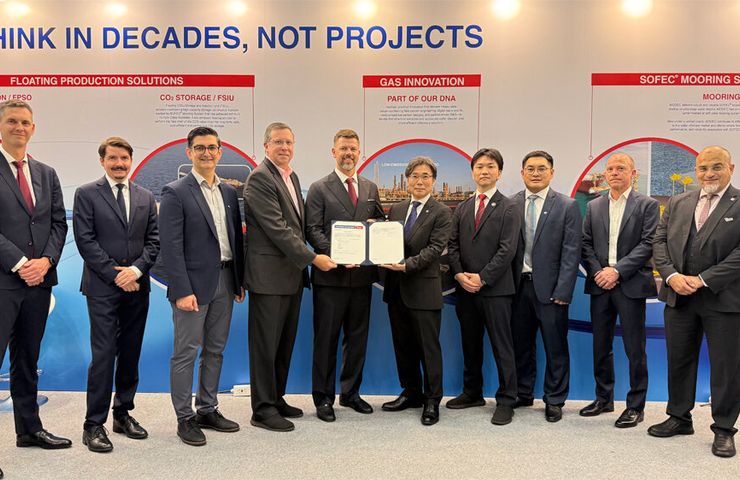
Back in May 2026, the Zero Emissions Ship Technology Association (or ZESTAs for short) made a splash in London by rolling out the Global Liquid Hydrogen Alliance during a policy event. This exciting initiative is all about getting shipowners, tech providers, port authorities, energy producers, and government partners working together to push pure green liquid hydrogen as a truly zero-emission fuel for the maritime industry. ZESTAs is stepping up to tackle the fragmentation that’s been holding back progress on decarbonizing shipping, aiming to align everything from regulations to technical know-how around this one fuel pathway.
Building a Coordinated Value Chain
The alliance is set up as a kind of open stage where everyone in the liquid hydrogen shipping scene can join forces. Here’s what they’re hoping to achieve:
- Crafting joint policy recommendations that can influence maritime regulations both internationally and at the national level
- Pooling together technical data to validate safety for cryogenic hydrogen storage and bunkering
- Creating solid commercial frameworks for bankable offtake agreements
- Facilitating pilot projects and establishing partnerships at ports and on vessels
By centralizing these efforts, the alliance aims to cut down on transaction costs and speed up investments in the necessary infrastructure.
Founding Members and Their Roles
ZESTAs has kicked things off with a core group of founding members that are ready to take action:
- Kawasaki Heavy Industries – They’re bringing their know-how in building large-scale liquefied hydrogen carriers and managing shipping logistics
- EDF – This player is all about low-carbon electricity and making renewable power-to-hydrogen pathways work
- Samskip – They’re offering their container shipping expertise and routes, perfect for early vessel trials
- PowerCell Group – This company’s got the fuel cell tech down, turning hydrogen into power for ships
These organizations showcase the alliance’s cross-sector strategy, covering everything from hydrogen production and storage to vessel design and tech for end-use.
Technical Focus: Liquid Hydrogen and Fuel Cells
Liquid hydrogen (LH2) is hydrogen that’s cooled to super-low temperatures, which allows it to be packed more densely than compressed gas. Onboard ships, it’s stored in insulated tanks and is vaporized before it’s fed to fuel cells or special combustion engines. The alliance is set to take on several key engineering challenges:
- Ensuring proper insulation and containment to minimize boil-off losses
- Developing safe cryogenic transfer systems for bunkering from shore to ship
- Addressing issues like hydrogen embrittlement and making sure materials can handle storage and piping
- Integrating fuel cells with auxiliary batteries to ensure smooth load balancing
Hydrogen fuel cells are the real deal for converting H2 and O2 into electricity and water, boasting zero CO2 emissions at the point of use. Getting the integration of these fuel cells sorted is crucial, especially for vessels that travel long distances where battery electrification just won't cut it.
Why Liquid Hydrogen Matters
Despite the complexities that come with it, LH2 presents a straightforward method to bring green hydrogen to ships without having to turn it into ammonia or methanol first. Here’s why it’s generating buzz:
- Zero carbon emissions onboard when the fuel comes from renewable energy sources
- No energy losses or tricky infrastructure issues linked with derivative fuels
- It’s a viable option for long-haul routes, unlike battery-electric solutions
Of course, there are challenges too: the high energy demands of liquefaction, stringent safety protocols for handling extremely low temperatures, and the need for new bunkering infrastructure at ports.
Economic and Regulatory Implications
For shipping investors, it’s all about finding bankable projects that come with predictable costs, clear regulations, and a steady fuel supply. This alliance could open new funding avenues by:
- Standardizing technical specifications to remove design uncertainties
- Coordinating demonstration projects to lessen the risks of investment
- Submitting unified policy recommendations to the International Maritime Organization
On the regulatory front, the IMO is working on interim guidelines for hydrogen fuel systems, evolving as they go. A unified industry voice could help shape these regulations to reflect on-the-ground realities.
Context in the Maritime Energy Transition
Launching the Global Liquid Hydrogen Alliance comes at a time when there’s a real buzz around alternative zero-emission fuels. Sure, ammonia and methanol projects are making headway, but LH2 is still somewhat of a niche player. Its real-world use has mostly been limited to conceptual studies, and there aren’t many pilot vessels in the pipeline. This alliance, however, is looking to go beyond just theory and turn ideas into actual supply chains and bunkering networks.
Historical and Safety Context
Hydrogen has been in the spotlight in maritime decarbonization discussions for more than a decade, but liquid hydrogen hasn’t really made its mark until now. Recently, classification societies and research groups have put together interim guidelines for LH2 bunkering and fuel systems. Important safety milestones include:
- Guidance Notes for Liquid Hydrogen Systems published by Lloyd’s Register
- Recommendations for safe cryogenic bunkering from the Maritime Technologies Forum
- Ongoing development of interim guidelines by the IMO to standardize operational zones and safety procedures
These advancements reflect a growing confidence that the technical challenges surrounding hydrogen embrittlement and boil-off management can indeed be tackled with proper design and testing.
Comparative Fuel Pathways
When considering alternatives to liquid hydrogen, shipowners are also eyeing other zero-carbon options:
- Ammonia – Easier to store than LH2, but onboard cracking or direct combustion requires managing NOx emissions
- Green methanol – This fits into existing fuel systems with some adjustments, but it has a lower energy density
- Battery-electric – Great for short-haul shipping and ferries, but current battery tech limits its use for deep-sea voyages
The alliance’s focus on pure green hydrogen zeroes in on scenarios where using hydrogen directly can avoid the losses from converting to carrier fuels.
Environmental Considerations
Truly achieving zero-emission performance hinges on how the hydrogen is produced. Green hydrogen generated through water electrolysis using wind or solar energy can come close to zero life-cycle emissions. That said, the liquefaction process can consume up to 30 percent of hydrogen’s energy value, making smart plant design and integration critically important. If the supply chains are tied to grid electricity that still has a carbon footprint, the overall climate perks shrink significantly.
Market Outlook
Looking ahead, global demand forecasts suggest that we could see hundreds of kilotons of hydrogen traded in shipping by 2030, driven mainly by trade routes in Asia-Europe and Transpacific lanes. Early anchor projects will likely pop up in ports that are already investing in hydrogen infrastructure. Collaborations between public and private entities will be key for sharing risks and smoothing out cross-border supply chains.
Looking Ahead
The Global Liquid Hydrogen Alliance has set some ambitious goals. Over the next year, keep an eye out for:
- Timelines for pilot bunkering operations at select ports
- Memorandums of Understanding (MoUs) between hydrogen producers and shipping companies
- Joint ventures to fund liquefaction facilities specifically for maritime fuel
If they can deliver on these plans, liquid hydrogen might just transition from being an innovative concept to a go-to choice for long-haul, zero-emission vessels.