PosHYdon: Pioneering Offshore Hydrogen Production in the North Sea
The PosHYdon project demonstrates the feasibility of integrating hydrogen production with existing offshore energy infrastructures in the North Sea. Key lessons learned highlight the importance of system integration and regulatory engagement.
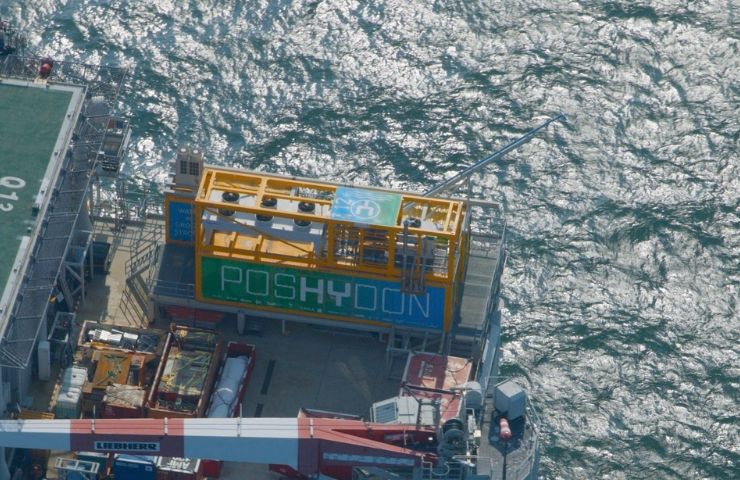
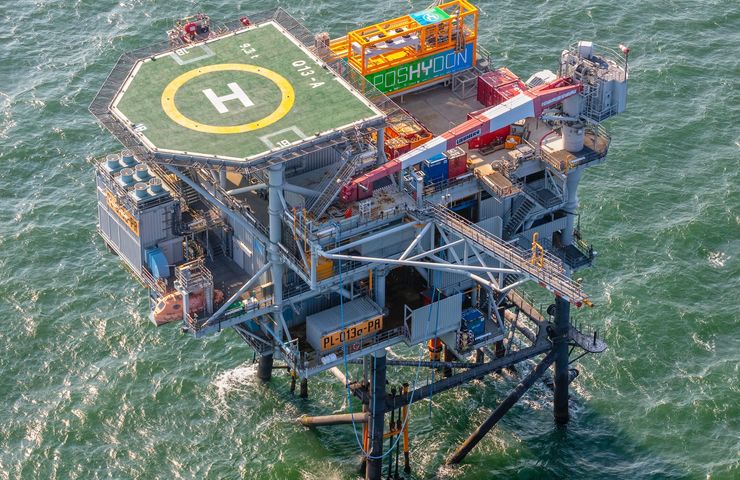
The PosHYdon project was a pilot initiative to produce hydrogen offshore. It successfully integrated renewable energy, seawater filtration, and existing gas infrastructure at the Q13a-A platform, located approximately 13 kilometers off Scheveningen in the Netherlands. Coordinated by TNO and involving fifteen partners, this demonstration focused on creating a functional system for hydrogen production and blending using a 1 MW electrolyser.
That description is spare but deliberate. The effort married multiple technologies that do not normally operate together at sea: an electrolyser sized to 1 MW, desalination and filtration equipment capable of processing seawater, control systems for fluctuating input power, and a route to feed hydrogen into an existing gas network. All of those elements were brought onto a platform originally designed for offshore gas operations, and operated in the conditions found 13 kilometers offshore from Scheveningen.
Key Insights
- The project confirmed that offshore hydrogen production can operate effectively in a real marine environment.
- System integration—linking technology, infrastructure, safety protocols, and regulatory compliance—proved to be the paramount challenge.
- Seawater treatment complexity necessitated robust filtration systems, as local conditions were harsher than anticipated.
Each point emerged from hands-on operation rather than modelling alone. The team demonstrated that electrolysis equipment will produce hydrogen when fed with demineralized seawater and powered by offshore renewables. At the same time, the work exposed that getting all parts to work together — from the mechanical fittings on the platform to the digital controls — is where projects commonly encounter the most friction.
Problems were practical. Filtration systems experienced early fouling and required frequent maintenance. That meant scheduled interventions and spare parts became part of the operating picture, not an occasional afterthought. Safety procedures, too, had to be adapted for the platform environment, while regulatory constraints shaped what could be trialled and how results were reported.
Technical Aspects of PosHYdon's Operations
The PosHYdon pilot operationalized several technologies:
- Electrolysis: A 1 MW-class electrolyser converted demineralized seawater into hydrogen using renewable offshore wind energy. This setup was designed to address variable power input to mirror offshore conditions.
- Seawater Desalination: Prior to feeding into the electrolyser, seawater underwent treatment processes to eliminate contaminants that could affect performance. The filtration system required frequent maintenance due to early fouling.
- Automation and Control: Emerson’s DeltaV system provided necessary controls for managing operations, improving safety, and ensuring proper functioning under fluctuating conditions.
The project ran the technologies together under the stresses typical of an offshore site. Electrolysis was tested with variable power profiles intended to reflect the intermittency of wind generation. That required the electrolyser and its balance-of-plant to tolerate rapid changes in input power and to respond without compromising product quality.
Seawater desalination was not a minor auxiliary task. In practice it became central to uptime and reliability. The feedwater had to be brought to a quality suitable for the electrolyser; otherwise, contaminants could impair cell stacks or accelerate degradation. Local environmental conditions meant that the filtration units experienced fouling earlier and more often than design-stage assumptions suggested. Operators therefore had to schedule regular maintenance and refine operational procedures to keep the electrolyser running.
Automation and control were implemented with an eye to both safety and operability. Emerson’s DeltaV system was used to coordinate the different subsystems, to monitor key parameters, and to implement safety interlocks. The control layer also managed hydrogen blending operations and the interfaces to the existing gas infrastructure, where regulatory and technical limits defined allowable concentrations.
Strategic Partnerships and Funding
The PosHYdon project was supported by a consortium that included leading energy and technology companies such as Eni Energy Netherlands, EBN B.V., Gasunie, and Nel. It received funding from the Dutch DEI+ scheme, highlighting a collaborative effort to advance the energy transition in the Netherlands by repurposing existing offshore infrastructure.
Bringing fifteen partners together under coordination by TNO allowed the project to draw on different areas of expertise: platform operations, hydrogen technology, system integration, and regulatory engagement. The DEI+ backing provided an explicit public-policy signal that the pilot was part of a broader national push to explore cleaner energy pathways and to test ways of reusing offshore assets for low-carbon purposes.
Regulatory and Environmental Considerations
Throughout the pilot, regulatory compliance was significant. Initial permitted hydrogen blending concentrations for gas infrastructure were increased from 0.02 to 0.5 percent by volume. This adjustment emerged after comprehensive technical studies and consultations, emphasizing the necessity of stakeholder engagement in regulatory processes.
The change in permitted blending limits illustrates how technical trials can feed into regulatory practice. The project’s testing and the studies that accompanied it provided the basis for reconsidering conservative starting points. Consultation with stakeholders — network operators, regulators and other parties — was therefore an intrinsic part of reaching the revised 0.5 percent by volume threshold.
Environmental and safety rules shaped operational choices at every step. Permitted concentrations set the upper bounds for blending hydrogen into the existing gas network. Safety protocols limited how and when maintenance could be performed on the platform. Each regulatory requirement became an operational constraint to be managed, documented and, where necessary, challenged through the formal consultation process that led to the revised blending limit.
Future Implications
The findings from the PosHYdon project underscore the feasibility of integrating hydrogen production within existing offshore operations, yet they bring to light the challenges faced in operational readiness. TNO's final report points out that while this pilot expands the knowledge base for similar future initiatives, it does not yet ensure commercial viability for large-scale offshore hydrogen production.
That caveat is central. Demonstrating technical feasibility on a pilot scale is a necessary step, but it is not sufficient to assert near-term commercial deployment at large scale. The TNO report — and the practical lessons from operating a 1 MW electrolyser on a gas platform — collectively highlight gaps that need to be closed before commercial roll-out is realistic. Those gaps include system integration practices, supply chains for spare parts and maintenance, and clear regulatory pathways for higher blending concentrations or dedicated hydrogen export routes.
At the same time, the pilot provides concrete operational data that can inform future design choices. Data on filtration performance, fouling rates, control strategies under variable power input, and the interaction with gas-network limits will be useful to engineers and planners. The project thus serves as a test bed whose outputs can reduce uncertainty for follow-on demonstrations.
Closing Insight
As the world accelerates toward sustainable energy solutions, the PosHYdon project represents an important step in understanding how hydrogen production can function alongside existing energy infrastructures. Its lessons learned can serve as a crucial guide for future offshore hydrogen initiatives, enhancing their potential for operational success and regulatory compliance.
Nothing in the pilot promises immediate commercial scale-up. What it does offer are tested configurations, operational records and regulatory experience. Those are the kinds of inputs that planners, policymakers and industry will need when considering whether and how to expand offshore hydrogen production in the years ahead.