Green Hydrogen Production Pilot Launched at KMG Engineering’s Atyrau Facility
Kazakhstan’s KMG Engineering has inaugurated its first integrated green hydrogen pilot in Atyrau, featuring solar-powered electrolysis, metal hydride storage, and a Digital Hydrogen Atlas.
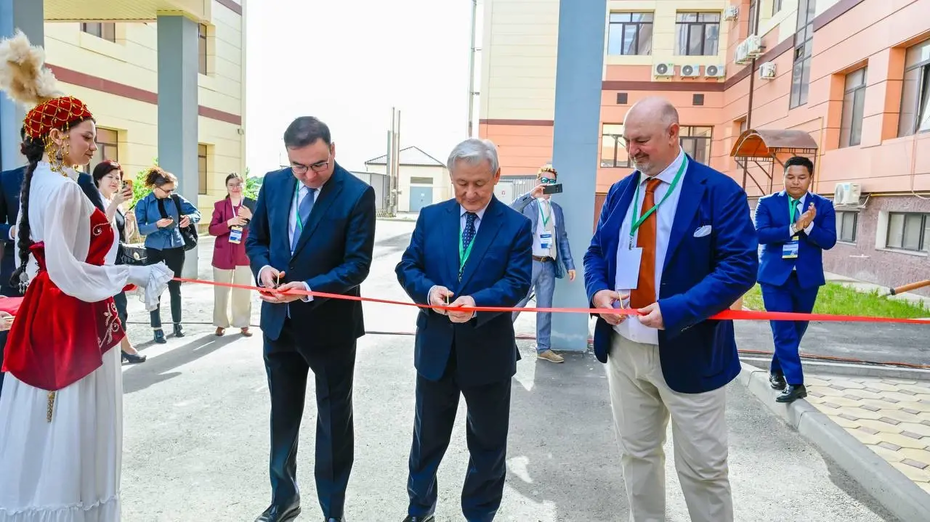
So, KMG Engineering, which is the technical side of KazMunayGas, recently kicked off Kazakhstan’s first full-cycle green hydrogen pilot at their Atyrau branch. Nestled in an oil-heavy area by the Caspian Sea, this setup brings together a 200 kW solar power plant, a snazzy containerized electrolyzer, and even some on-site hydrogen use for heating and electricity. Plus, it doubles as a live research platform where they’re testing advanced storage and hybrid solutions. It’s a pretty exciting step, marking the first time all these elements—renewable energy generation, green hydrogen production, and hydrogen storage—are working together in Kazakhstan, paving the way for a strong hydrogen infrastructure plan across Central Asia.
- The pilot features a 200 kW PV array with 336 modules, a partnership with Green Spark, which generates electricity fed back into the grid at the Atyrau lab.
- They’ve set up a cool containerized electrolyzer that turns solar energy into hydrogen through water splitting. This allows for testing under changing load conditions and intermittent power generation.
- The hydrogen produced is used on-site to fuel thermal boilers and backup generators, replacing diesel and natural gas to see how things perform in real-world industrial scenarios.
- Research led by Dr. Saule Zholdayakova is exploring titanium-iron metal hydride beds, which can store and release hydrogen without needing extreme conditions.
- A handy Digital Hydrogen Atlas combines maps of solar and wind resources with grid access and water availability, helping to estimate where green and blue hydrogen can be most competitive.
By putting all these pieces together—generation, production, storage, and actual use—the Atyrau pilot serves as a mini version of a decarbonized energy hub. Instead of separating electrolyzers or lab setups, engineers can keep an eye on how solar energy fluctuations, storage management, and end-use demands interact. This is the kind of data that’s too often missing from standalone research efforts.
Technical Highlights
This 200 kW solar field packs a punch, producing about 300 MWh every year under the high irradiation conditions in western Kazakhstan. The direct current generated goes through an AC/DC converter, ensuring that the electrolyzer gets priority when solar energy costs drop below what you'd pay for grid energy. The containerized proton-exchange membrane (PEM) electrolyzer operates with variable current densities between 0.5 and 2 A/cm². This flexibility lets the teams benchmark energy consumption—right now, they’re using about 55–60 kWh for every kilogram of hydrogen produced—against the top performers in the field. They’ve got real-time sensors tracking cell voltage, water purity, and hydrogen pressure, while remote-control software adjusts stack temperatures to get the most efficiency during peak solar hours.
When it comes to storage, they’re using metal hydride vessels made from a titanium-iron alloy that can absorb up to 1.5 weight percent hydrogen at moderate pressures (20–30 bar) and regular temperatures. When hydrogen demand spikes, thermal jackets heat up the hydride beds to release the gas back at 5–10 bar, sending it off to fuel cells or burners. Early tests show that these materials can handle numerous cycles without much wear, which is promising for ongoing pilot projects. Researchers are also checking how the hydride storage stacks up against compressed gas storage at 35 bar to determine the trade-offs in density and safety.
Strategic Context
KazMunayGas has made it clear that hydrogen and alternative energy technologies are key to their long-term strategy for decarbonization. This aligns with Kazakhstan’s aim for carbon neutrality by 2060. By testing the full production loop at an industrial site, the company is looking into how they can retrofit their refineries and power plants for this new energy source. Plus, hosting the International Hydrogen Energy Seminar at Atyrau shows they’re keen to draw in foreign partnerships and share technology. On the policy side, the Digital Hydrogen Atlas provides valuable insights for regulators and investors about where green and blue hydrogen might thrive, helping with grant initiatives and tender designs. Meanwhile, the Ministry of Energy is busy drafting regulations on hydrogen tariffs and safety standards, and the Finance Ministry is contemplating incentive schemes for bringing in the tech needed for electrolyzer production.
Outside KMG, research institutions like Nazarbayev University are diving into their own green hydrogen initiatives, which hints at a growing homegrown innovation scene. Private enterprises like Green Spark are stepping in to set up solar arrays and build local supply chains, while international development agencies are eyeing Kazakhstan as a potential supplier of clean hydrogen and ammonia to markets in Europe and East Asia.
Perspective
In a place known for its oil, launching a green hydrogen pilot within an active petroleum research site might seem more symbolic than practical, but there are real benefits. Engineers are picking up skills in managing water resources in this semi-arid environment, tackling dust on solar panels, and implementing safety protocols for handling hydrogen. The data-driven approach of the Digital Atlas can help reduce risks tied to site selection and guide investments toward the most promising areas. Meanwhile, their storage research tackles some of the biggest challenges faced in hydrogen logistics.
That said, hurdles still lie ahead. Scaling up from a 200 kW pilot project to megawatt-level electrolysis will require robust supply chains for electrolyzer stacks, catalysts, and storage materials. Water availability is another sticking point, especially if hydrogen is targeted for heavy industry or ammonia synthesis. Investment in pipelines or compressor stations is going to be crucial for developing longer-term markets, and the regulatory landscape around tariffs and standards is still taking shape.
Looking to the future, integrating onshore wind along with solar energy could significantly boost the use of electrolyzers. Combining the Atyrau project with modular ammonia synthesis units could create a clear export product, meeting the rising demand in Europe and East Asia for clean ammonia as fuel or for fertilizers. Early feasibility studies indicate that the Mangystau region could be a top contender for multi-gigawatt green ammonia production, but real-world data on hydrogen storage methods, water usage, and hybrid renewable setups from Atyrau will provide crucial insights for these larger projects.
In the end, the Atyrau pilot demonstrates that making hydrogen economics work is about more than just big numbers; it’s about mastering the nuances of control systems, effectively managing the thermal requirements of storage reactors, and keeping solar arrays clean in dusty climates. By translating ambitious policy goals into hands-on operations, Kazakhstan is gradually building a solid foundation for its hydrogen aspirations—one step at a time.