Green Hydrogen Production Projects Shortlisted in Australia’s Hydrogen Headstart Round 2
ARENA’s Hydrogen Headstart Round 2 has shortlisted seven green hydrogen projects with 2.18 GW of electrolysis across four states, competing for AUD 1 billion in production credits. Proposals cover e-methanol, sustainable aviation fuel, green ammonia, urea and industrial fuel switching.
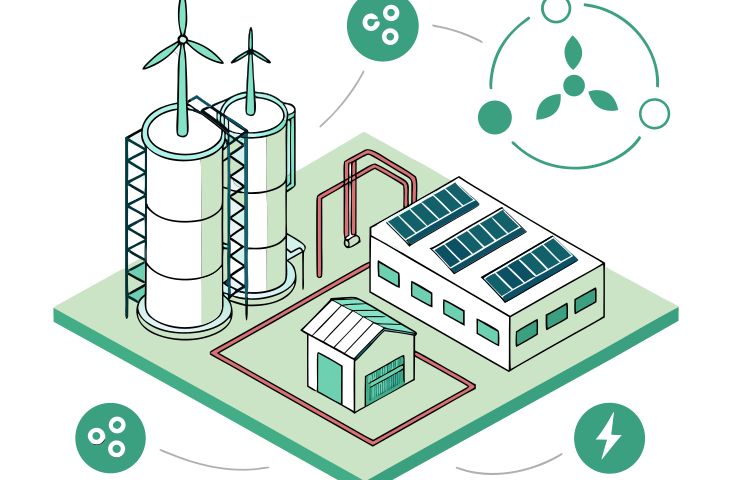
Australia is really ramping up its efforts to turn its abundant renewable resources into a full-scale green hydrogen industry. This shift picked up significant steam in mid-2026 when the Australian Renewable Energy Agency (ARENA) announced the shortlist for Round 2 of its Hydrogen Headstart Program. Seven large-scale proposals are in the running, aiming for around 2.18 GW of electrolyser capacity as they dive into a thorough due diligence phase to snag long-term production credits. However, it’s important to note that this technical leap comes with its share of fiscal challenges; the federal government has slashed the budget from an ambitious AUD 2 billion down to about AUD 1 billion. This change is raising the stakes and pushing everyone to produce hydrogen more efficiently.
Policy Evolution and Fiscal Trade-Offs
Set in motion with the 2023–24 budget, the Hydrogen Headstart Program aimed to narrow the cost disparity between renewable hydrogen and conventional fuels by providing ten-year production credits. Initially, Round 2 had AUD 2 billion earmarked for it, but the 2026–27 federal budget cut that amount in half, as part of a broader AUD 1.3 billion reshuffle across hydrogen, solar, and battery projects. This recalibration shows the government’s attempt to balance fiscal health with its green goals, pushing developers to sharpen their project scopes and line up more competitive financing.
Technology Spotlight: Power-to-X for E-Fuels
Four of the shortlisted proposals prominently feature Power-to-X systems, which aim to convert green hydrogen into e-methanol and sustainable aviation fuel (SAF). These projects use electrolysers that harness clean energy from wind and solar to split water into hydrogen and oxygen. Then, hydrogen reacts with captured CO₂ in catalytic reactors, creating methanol that can be used as marine fuel or converted into jet fuel through processes like Fischer–Tropsch. By offering drop-in fuels, these plants can tackle areas where direct electrification is a bit tricky.
Industrial Decarbonization: Ammonia and Urea
Looking at Western Australia, we see projects like the 500 MW Murchison Green Hydrogen Project and the 750 MW Perdaman Helios scheme in Karratha stepping up hydrogen’s game in chemical production. The Murchison project is gearing up to produce green ammonia for export, while Helios aims to inject renewable hydrogen into urea manufacturing. By swapping out fossil-based hydrogen in the Haber–Bosch process, they can drastically cut down emissions tied to fertiliser production, which is crucial for feeding the world.
Hydrogen in Heavy Industry
But it's not just chemicals; green hydrogen also has potential in high-temperature processes. Take the Summit Hydro 120 MW Gladstone project, for example, which wants to mix hydrogen into alumina refining, swapping out natural gas and coal. This switch requires adapting burners to accommodate hydrogen’s unique combustion properties, such as its flame speed and lower calorific content, which means heightened safety measures are necessary. However, showing success in early tests could open doors to broader fuel switching in industries like steel and cement.
Regional Hubs and Community Stakes
Moving to Tasmania, projects like Bell Bay Powerfuels and HIF Tasmania are capitalizing on the region’s strong hydro and wind resources alongside deepwater ports. Meanwhile, in Queensland, European Energy Australia and Summit Hydro are benefiting from Gladstone’s industrial cluster, taking advantage of existing pipelines and rail links. Victoria’s HAMR Energy project in Portland combines renewable generation with fuel synthesis near a key port, while the Murchison and Karratha projects are shaping Western Australia as a potential exporter of green ammonia and low-carbon urea. Local communities are excited about the job opportunities but remain aware of issues regarding land use, water rights, and environmental care.
Market Risks and Offtake Paths
For these projects to become financially viable, landing long-term offtake agreements is absolutely crucial. Developers are looking to secure deals with shipping lines for methanol, airlines for SAF, and chemical companies for ammonia and urea. However, the final investment decisions will depend on demand cues from foreign markets, where subsidy programs—like the US IRA hydrogen tax credits and European auction mechanisms—play a significant role in setting price expectations. Aligning domestic incentives with international policies will be key to pulling in solid contracts.
Lessons from Round 1
Going back to ARENA’s first round, six bids were shortlisted, with around AUD 1.2 billion awarded to two anchor projects. Those pioneers highlighted essential success factors like modular electrolyser staging to align with renewable capacity growth; early coordination with grid, port, and water authorities for smoother permitting; and nailing down firm offtake agreements to support financing. Round 2 applicants are incorporating these lessons into their refined designs to increase their flexibility and minimize risks.
Financing Models and Stakeholder Roles
Large-scale hydrogen facilities typically mix equity, senior debt, and concessional finance to get off the ground. Production credits serve as revenue guarantees that help meet debt obligations, while long-term supply contracts offer extra assurance. Teaming up with industrial consumers can help share the investment and offtake risks. Additionally, ancillary income streams—like oxygen sales and capacity payments—can bolster financial frameworks even further.
Environmental and Social Considerations
Water usage, land impact, and community engagement are super important when setting up electrolyser facilities. In areas like Tasmania and Western Australia, project backers must secure reliable water sources and carry out detailed environmental assessments. Early talks with Traditional Owners and local councils are crucial to address cultural and environmental concerns. Plus, workforce development initiatives in collaboration with vocational institutions will ensure that local communities gain from new skilled jobs in plant operations, maintenance, and safety management.
International Context
The global race for green hydrogen is heating up. In the US, tax incentives under the Inflation Reduction Act and Europe’s Hydrogen Bank auctions are drawing investment toward new electrolyser and Power-to-X plants. Countries like Japan and South Korea are securing long-term supply deals. To grab a slice of this booming market, Australia’s production credit system needs to stay predictable and competitive, especially as private capital follows bright policy signals and pricing trends abroad.
Looking Ahead: Scaling Up or Stranded Assets?
Coming up, shortlisted applicants will need to present complete bids by early September 2026, facing a thorough review process from ARENA, potential lenders, and equity backers. Only those with robust risk management strategies and solid offtake plans are likely to win production credits. Successful projects could mean significant reductions in electrolyser and logistics costs, reinforcing Australia’s position as a key player in the green hydrogen arena. On the flip side, weaker proposals may face delays or cancellations, highlighting just how crucial it is to align technical readiness, financing, and market demand.
Round 2 of the Hydrogen Headstart Program is a blend of promise and complexity. With four states involved and seven diverse paths—from clean hydrogen to green ammonia and e-fuels—this selection will play a huge role in shaping Australia’s industrial decarbonisation journey and its competitiveness in the global hydrogen market for years to come.
```