Green Hydrogen Production: Stiesdal’s 6.5 MW HydroGen Electrolyser Targets Sub-€500/kW CAPEX
Stiesdal Hydrogen’s 6.5 MW HydroGen electrolyser targets sub-€500/kW CAPEX and outdoor deployment, aiming to halve electrolyser costs and double capacity versus its 3.1 MW predecessor.
Introduction
When it comes to cutting down carbon emissions in industries, nailing down the cost of producing green hydrogen is key. Recently, Stiesdal Hydrogen, part of the Danish climate-tech whizzes at Stiesdal A/S, rolled out a new factory-made 6.5 MW pressurized alkaline electrolyser, part of its HydroGen lineup. This nifty piece of tech aims to keep capital expenses below €500 per kilowatt and can sit outside, with the goal of slashing the cost of electrolyser CAPEX in half compared to what’s usually out there, all while bumping up output nearly twofold compared to its predecessor, which was rated at 3.1 MW.
Core Highlights
The new 6.5 MW unit is a big leap from the earlier 3.1 MW HydroGen platform that Stiesdal showcased on its site. Word from the industry is that this new setup gives more than double the electrolyser capacity on a similar footprint, with only a slight dip in hydrogen yield per square meter, thanks to close to linear scaling. This design bumps hydrogen output up to 30 bar, which means the gas is already under pressure when it leaves the electrolyser, cutting the need for pricey compressors. Standardizing the stack and balance-of-plant into a single skid-mounted package makes it perfect for mass production, and it can be easily installed at places like docks, industrial parks, or renewable-energy hubs. Stiesdal's streamlined modules can speed up project timelines and lower custom engineering costs, giving developers a fighting chance to keep up with tight financing deadlines under subsidy frameworks.
Technical Dive
Pressurized alkaline water electrolysis is tried and true, splitting purified water using an alkaline electrolyte—usually potassium hydroxide—with non-precious metal catalysts. In the HydroGen setup, electrode stacks and diaphragms work under 20–30 bar pressure inside tough stainless-steel enclosures. This elevated pressure means hydrogen exits the electrolyser already compressed, which can lower or even remove the need for mechanical compression down the line, helping things run more efficiently. The system also integrates power conversion, water treatment modules, cooling circuits, and safety systems, all designed for easy factory assembly. Stiesdal’s engineers keep a close eye on corrosion and electrolyte circulation to maintain performance over the long haul. Plus, standard interfaces and control systems make linking multiple modules a breeze for bigger projects.
Modular Design and Deployment
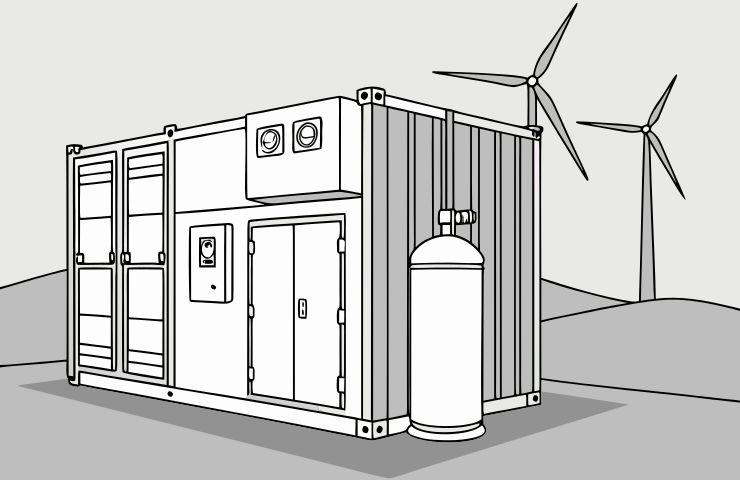
The latest HydroGen platform takes a modular, factory-building approach rather than the old custom-engineered plants. Each 6.5 MW module comes pre-assembled on skid frames or in containerized units, ready for outdoor installation. This method cuts down on on-site construction time, reduces the need for heavy civil engineering, and minimizes the impact of all that weather-sensitive work. Developers can tap directly into renewable power sources—like offshore or onshore wind—and pristine water supplies. Commissioning is all about linking up electrical, water, and control connections, trimming months off traditional project schedules. Plus, these modular units can easily be grouped together to create hydrogen production parks that can reach tens or even hundreds of megawatts, benefiting from streamlined manufacturing and easier approval processes.
Cost and Economic Impact
High upfront costs are still a major factor in the levelized cost of hydrogen (LCOH), with electrolyser CAPEX eating up half of the total in some places. By targeting below €500 per kilowatt, Stiesdal is looking to bring LCOH closer to that sweet spot of $2–3 per kilogram in areas with cheap wind and solar power. A lower CAPEX also makes financing models a lot more appealing, as returns get better for project sponsors. Plus, public funding schemes—especially under the EU’s Power-to-X initiative—are increasingly leaning toward competitive tender processes where developers need to show off cost reductions. The HydroGen module’s potential for standardization and mass production could be a game changer for getting grants and securing offtake agreements, speeding up adoption in hard-to-abate industries like chemicals, steel, and e-fuels.
Market and Competitive Context
With a team of seasoned wind and hydrogen engineers in Denmark, Stiesdal is diving headfirst into a competitive pool filled with established electrolyser players like Nel ASA and other pressurized alkaline pros. Nel recently showcased its own next-gen platform that emphasizes simplicity and cost-effectiveness. Meanwhile, proton-exchange-membrane (PEM) electrolysers from companies like ITM Power and Plug Power are catching on where quick responsiveness and ultra-high purity are key. For now, the race for market share will boil down to cost, performance, and how easy it is to deploy these systems. In the near term, clients are likely to weigh CAPEX savings against lifetime efficiency, system flexibility, and maintenance when choosing between alkaline and PEM solutions.
Policy Environment in Denmark
Denmark has become a real hotspot for Power-to-X initiatives, with around €170 million in national and EU subsidies flowing into renewable hydrogen projects. Thanks to its excellent offshore wind resources and significant renewable penetration, the country has the right conditions for electrolysis facilities, especially near ports and energy hubs. By hosting demonstration and pilot projects with modular units like HydroGen, Denmark is not just ramping up domestic demand but also solidifying its status as a global technology exporter. Evolving grid regulations and hydrogen guarantees of origin are helping streamline permitting and network balancing, although developers still face some bumps when it comes to safety approvals and infrastructure placement.
Risks and Strategic Considerations
While alkaline electrolysers offer lower catalyst costs and established supply chains, they typically operate at lower current densities and may lag behind PEM systems in load-following capabilities. Uneven renewable power can present challenges unless modules are paired with solid buffering or hybrid setups. Operators also need to keep an eye on electrolyte purity and corrosion management to maximize stack lifetimes. There’s talk of overcapacity in electrolyser manufacturing being a risk if demand doesn’t keep up with the planned capacity expansions. Some critics caution that diverting large amounts of renewable electricity toward hydrogen production may slow down direct electrification efforts in certain areas. Developers with a keen strategy will need to find the sweet spot between green hydrogen production, grid stability, and end-use efficiency.
Closing Insights
The launch of Stiesdal’s 6.5 MW HydroGen module is a big step toward building out green hydrogen infrastructure. If they can hit that sub-€500 per kilowatt target at scale, it could really shake up project economics and make it easier to transition from grey to green hydrogen in heavy industry. Developers and policymakers should be keeping a close watch on early deployments for real-life data on CAPEX and performance. As competition heats up, standardized, factory-built electrolysers might just become the backbone of a global hydrogen supply chain, solidifying Denmark’s role as a key player in sustainable energy tech.
Looking ahead, it’s vital to compare actual deployments against marketing claims, especially regarding CAPEX, efficiency, and operational flexibility. Industry participants and investors will likely be scrutinizing early projects for insights on maintenance schedules, stack replacement intervals, and total cost of ownership over a 20-year life cycle for these assets.