Trina Green Hydrogen Secures 96 MW Alkaline Electrolysis Order in Western China
Trina Green Hydrogen secures a 96 MW alkaline electrolysis order for a wind–solar–hydrogen complex in western China, underscoring its Tianqing stacks and gigawatt-scale factory in Yangzhou.
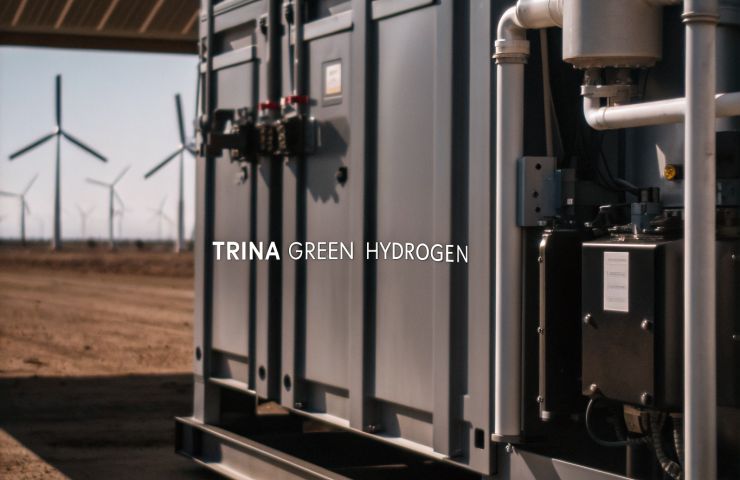
China's definitely making waves in the green hydrogen scene! Recently, Trina Green Hydrogen announced they've snagged an order to deliver around 96 MW of their impressive Tianqing series alkaline electrolyzers for a massive integrated wind-solar-hydrogen project in western China. This deal shows that confidence is on the rise when it comes to building up megawatt-scale hydrogen infrastructure in areas rich in renewable energy. It's a clear sign that the commercial viability of electrolysis is picking up pace in what happens to be the world’s biggest market for hydrogen equipment.
Trina Green Hydrogen, which is the hydrogen wing of the solar giant Trina Solar, revealed this month that they will provide about 96 MW of their alkaline electrolysis cells for a project powered entirely by dedicated wind and solar farms. While the specific details regarding the province and developer remain under wraps, this marks one of the largest single orders for domestic green hydrogen production and significantly broadens Trina's influence beyond Yangzhou. Reports from the National Energy Administration predict a whopping 125,000 tonnes of green hydrogen capacity by late 2024, and there are ambitious goals for tens of gigawatts of electrolysers by 2030, making this order a trendsetter for future expansions. It's a major pivot from small-scale tests to serious utility-scale infrastructure, which is essential for supporting synthetic fuels and decarbonizing heavy industries.
Diving Into the Tech: Alkaline Electrolysis
Now, let's break down what’s happening under the hood. At the core of this project is alkaline water electrolysis, a proven technology that utilizes potassium hydroxide as an electrolyte to move hydroxide ions between electrodes. The magic happens when direct current from those wind and solar plants hits the stack: water at the cathode is converted to hydrogen and hydroxide ions, while the anode turns hydroxide back to oxygen and water. Trina’s second-gen Tianqing modules aim for an energy consumption of about 3.898 kWh per Nm³ of hydrogen — that's around 43 kWh per kilogram — which is quite an improvement in efficiency over their earlier models. Each container is pretty sophisticated, housing power electronics, gas-liquid separation modules, purification units, and cooling systems to keep things running smoothly. They’re set up to deliver hydrogen at pressures of up to 30 bar and boast a purity of over 99.99 percent, making them perfect for storage, pipeline injection, or chemical synthesis. Trina also claims that their newer units have improved stack lifespan and longer maintenance intervals, but only time will tell how they hold up in real-world conditions!
Scaling Up: Trina’s Gigawatt Factory
To meet the demands of that 96 MW order, Trina Green Hydrogen is relying on their industrial-scale manufacturing capabilities. Their fully automated plant in Yangzhou has been up and running since late 2023, boasting an initial annual capacity of 1 GW. This facility features robotic welding, laser cleaning, and digital torque monitoring to ensure high-quality production with precise alignment and gasket compression. Automating processes not only speeds up stack assembly but also enhances quality control and feeds important performance data back into design tweaks. By 2030, Trina aims to ramp up this factory to about 4 GW, which translates to hundreds of 5 MW container modules rolling off the line each year. This focus on economies of scale is absolutely vital for driving down costs and hitting financial targets in hydrogen production.
Policy Backing in Western China
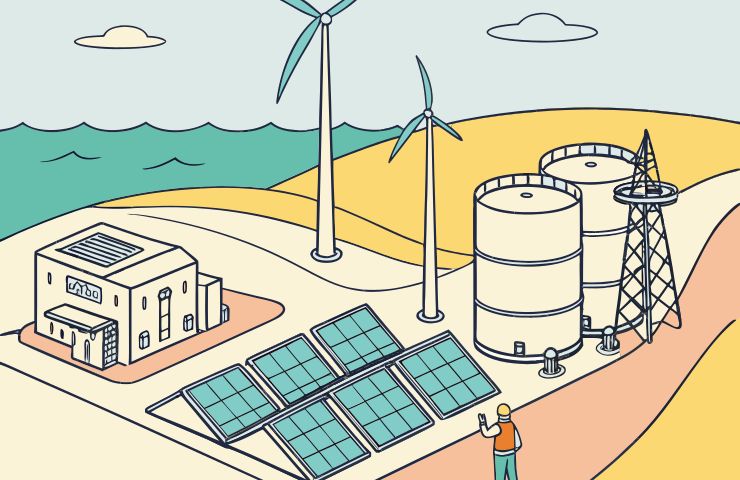
Western China covers a vast area, with provinces and autonomous regions like Inner Mongolia, Gansu, and Ningxia blessed with strong solar and wind resources. This makes it a prime target for integrating renewable hydrogen. The central government's Western Development strategy has long encouraged large-scale energy and industrial projects in these inland regions. Local governments often package land concessions, access to the grid, and financial perks to attract green hydrogen developments, with a goal of diversifying economies and establishing zero-carbon demo parks. By positioning a 96 MW electrolyser array near wind and solar farms, project developers can take full advantage of low-cost electricity and ramp up production for uses like synthetic fuels or industrial feedstocks.
Market Impact & Future Prospects
This latest milestone highlights just how quickly China is transitioning from small pilot projects to robust commercial green hydrogen infrastructure. With roughly 60 percent of global electrolyser capacity now based in China, local suppliers are riding a wave of policy support and substantial reference projects, while their counterparts in Europe and North America are feeling the heat in terms of cost and delivery times. For investors, the reliability of these projects hinges on demonstrated performance and solid offtake agreements. As financiers look into warranties for electrolysers and efficiency promises, large-scale deployments like this can open new doors for debt and equity funding. Creating a deeper domestic supply chain for key components, power electronics, and assembly will likely shorten lead times and ease logistical challenges, paving the way for faster advancements in hydrogen energy and aiding industrial decarbonization on a grand scale.
Comparative Insights
Some early integrated e-methanol and e-ammonia hubs in Inner Mongolia showed us that it is indeed possible to pair renewables with hydrogen. However, these setups often relied on imported electrolyser stacks. Trina’s 96 MW award helps build a stronger domestic foundation for alkaline electrolysis, marking the start of self-sufficiency in equipment supply. While exact commissioning schedules and operational details are yet to emerge, the scale of this contract proves that modular, containerized electrolysers are now a viable alternative to traditional onsite builds, blending hydrogen infrastructure seamlessly with renewable energy strategies.
Look Forward
As Trina Green Hydrogen and its competitors work towards multi-gigawatt pipelines, the next big challenge will be fine-tuning system integration, enhancing control algorithms for variable renewables, and standardizing safety protocols. Success in western China could serve as a model for other markets in Southeast Asia, the Middle East, or Europe, showcasing China’s ambitions to take the lead in clean hydrogen tech. Ultimately, the operational insights gained from this 96 MW facility will shape cost dynamics and determine how swiftly green hydrogen can compete with gray hydrogen and other low-carbon alternatives.
About Trina Green Hydrogen
Trina Green Hydrogen is the hydrogen-focused branch of PV manufacturer Trina Solar. They specialize in developing alkaline and PEM electrolysis systems, working on their Tianqing series electrolyser stacks and containerized hydrogen production units. With plans to ramp up their gigawatt-scale automated production base in Yangzhou to support both domestic and international green hydrogen initiatives, they look well-positioned to make a significant impact on the hydrogen production landscape.