INOCEL and ACCIONA Launch High-Power Hydrogen Generator at Port of Valencia Expansion
INOCEL and ACCIONA have deployed a hydrogen fuel cell generator at Port of Valencia’s North Terminal expansion, powering a tower crane with zero local emissions and paving the way for cleaner heavy-duty operations.
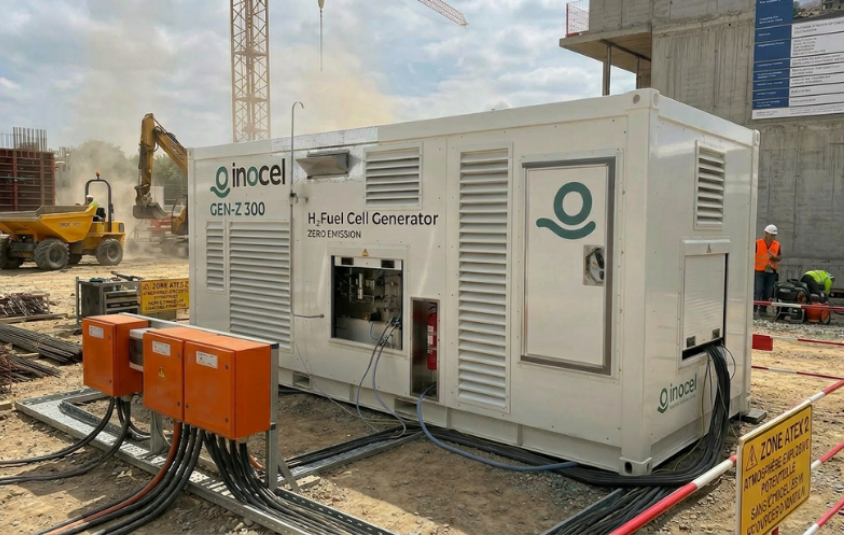
INOCEL, a rising star in the hydrogen scene from France, is teaming up with ACCIONA, Spain’s top infrastructure player, along with the Port of Valencia. They’re set to kick off this month with the installation of a high-power hydrogen generator for the North Terminal expansion project. This partnership is perfectly aligned with Europe’s push to clean up heavy industries and complex infrastructures, aiming to swap out traditional diesel generators for zero-emission systems that can power a large crane in the tough environment of caisson dock construction.
Powering Heavy-Duty Equipment with Clean Energy
The concept here is pretty straightforward yet incredibly impactful: harness hydrogen fuel cell technology to generate on-site electricity, with the only waste being harmless water vapor. The magic happens inside a proton exchange membrane (PEM) fuel cell stack, where hydrogen molecules break down into protons and electrons. The protons zip through a polymer membrane while the electrons take a detour through an external circuit, creating that all-important electric current. When it all comes together at the other electrode, oxygen from the air combines with those roaming protons and electrons to create water. The result? You get electricity and heat without any of the carbon dioxide or noise that typically comes with diesel engines.
INOCEL’s generator, featuring its Z300 fuel cell, can churn out between 200 and 300 kW of continuous power, flexibly adapting its output to match the crane's demands. It comes equipped with integrated power electronics, a cooling system, safety controls, and hydrogen storage interfaces. This off-grid approach means you’ve got reliable power exactly where you need it, even when grid connections are shaky or delayed, all without the hassle of diesel fuel deliveries during tight urban port schedules.
Solving Real-World Problems
Construction sites often rely on portable diesel generators because they can bridge the power gap quickly. But diesel isn’t without its downsides—think noise curfews, emissions permits, and unpredictable maintenance costs. That’s where ACCIONA comes in. They’re putting INOCEL’s hydrogen generator to the test, right in the hustle and bustle of port construction. The unit has already logged hours of continuous operation, weathering coastal humidity and dust while handling the demands of crane operations. So far, it looks promising: the generator keeps pace with a tower crane lifting hefty concrete caissons, and site managers are thrilled with cleaner air, lower noise levels, and simpler fuel logistics.
This tech isn’t just for construction; it’s versatile enough for remote events, off-grid data centers, and emergency response facilities. Picture a music festival, a research camp, or even a hospital tent requiring stable, emissions-free electricity. With a plug-and-play design, you can easily swap out cylinders or refill on-site, getting back to business without lengthy maintenance or fuel delivery delays.
Made in France, Made for Spain’s Future
This project is a fantastic mix of European expertise and local ambition. The generator’s roots are in France but crafted for Spain’s future needs. INOCEL is setting up a gigafactory near Belfort—think of it as a hub for mass-producing the core fuel cell stacks and generator modules, leveraging the region's rich background in precision engineering and advanced materials research. This "made in France" factory is also creating plenty of high-skilled jobs, from assembly technicians to power electronics specialists.
On the flip side, the Port of Valencia has been proactive in building hydrogen refuelling infrastructure, even hosting EU pilot vehicles through its H2Ports initiative, earning a reputation as a test ground for clean energy. By tapping into local expertise—like hydrogen dispensing stations and trained safety crews—the collaboration can swiftly transition from lab experiments to real-world industrial applications. It’s a fantastic example of how European companies can combine strengths: French manufacturing meets Spanish port operations to set the stage for cutting-edge hydrogen infrastructure.
Environmental and Economic Benefits
Swapping just one 300 kW diesel generator for a hydrogen fuel cell system can completely wipe out local CO2 emissions while eliminating nitrogen oxides, sulfur oxides, and particulate pollution. In a bustling coastal area where air quality is paramount, the cleaner operation boosts health outcomes not just for workers but for nearby residents and wildlife as well. And let’s not forget about noise reduction—fuel cells operate quietly, reducing disturbances in environments that run 24/7. Economically speaking, hydrogen generators can hold their own, especially when you factor in the costs of fuel, maintenance, and regulatory compliance. Diesel prices can be all over the place, but hydrogen sourced through long-term agreements can provide stable pricing. INOCEL has already lined up green hydrogen partnerships with producers like Lhyfe, paving the way for near-zero lifecycle emissions. Plus, local economies stand to gain from the creation of jobs in plant operations, installation, safety management, and logistics as a result of this emerging European hydrogen corridor.
Looking Ahead: Scaling Up Clean Port Operations
The Port of Valencia has already made headlines in hydrogen energy news by being the first European port to operate fuel cell reach stackers and terminal tractors. With this new high-power generator on deck, they’re extending hydrogen infrastructure to accommodate heavy-duty construction equipment. If the validation phase continues to yield positive results, we could see similar setups popping up in other Mediterranean ports and major European hubs.
This collaboration serves as a vital case study for policy-makers, lenders, and terminal operators. It shows that hydrogen infrastructure can go beyond just vehicles and shore power—it includes essential construction and backup power as well. As more green hydrogen production facilities come online, this model can really scale up: from 300 kW units to multi-megawatt clusters feeding smart grids, data centers, or even providing maritime cold ironing for docked ships.
We’re at a pivotal moment where clean hydrogen news is shifting from pilot projects to real, mainstream industrial applications. With projects like the one in Valencia, hydrogen fuel cells are stepping up to tackle real-world challenges in heavy industry, paving the way for cleaner ports, quieter cities, and a more robust European hydrogen economy.