ZTT Showcases Integrated Solar, Storage and Hydrogen Infrastructure Chain at Intersolar Europe
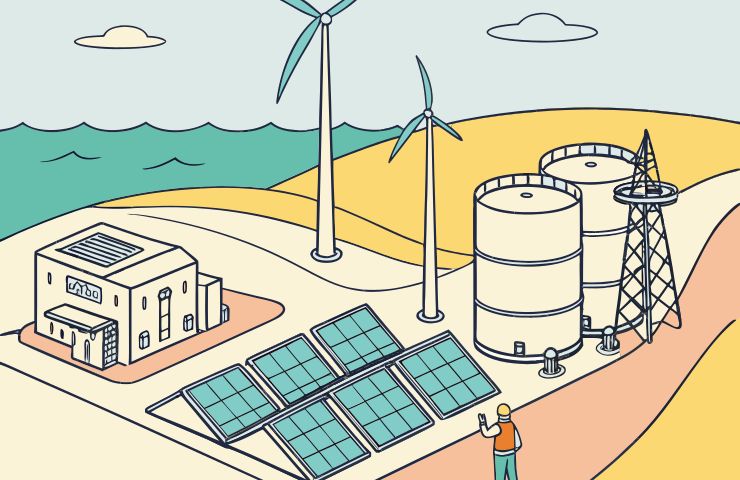
ZTT leveraged Intersolar Europe to present a unified Solar + Storage + Hydrogen chain, aiming to simplify project delivery and support Europe’s decarbonization goals with turnkey integrated solutions.
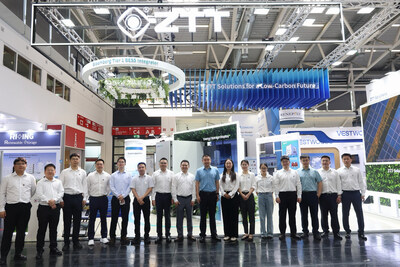
The fusion of solar power, batteries, and hydrogen tech is paving the way for a solid, low-carbon energy supply that keeps the lights on around the clock. At Intersolar Europe in Munich, Jiangsu Zhongtian Technology Co., Ltd. (ZTT) took the opportunity to showcase how their integrated approach of “Solar + Energy Storage + Hydrogen” aligns perfectly with Europe’s push for decarbonization and makes complex projects a lot simpler.
During the event, ZTT put on a neat little show of what they can do, displaying their core materials for solar photovoltaic (PV) modules, battery energy storage systems (BESS), and equipment for electrolytic hydrogen production. Visitors at booth C3.480 got to see a complete package that includes everything from cell manufacturing to system design, engineering, procurement, construction, and operation. They made a strong case for their round-the-clock services like peak shaving, frequency regulation, and off-grid backup, all while suggesting that working with a single supplier cuts down on risks related to interfaces and streamlines the procurement process for hybrid renewable-hydrogen projects.
Technical Integration at Booth C3.480
ZTT's exhibit laid out three key technology pillars. First up is their solar PV offerings, which cover everything from crystalline-silicon cell production to module assembly, plus essential components like inverters, transformers, and switchgear. The idea is to customize PV setups to meet the power needs of co-located storage and hydrogen plants. Next, their BESS showcased containerized lithium-ion battery racks equipped with advanced battery management systems and power conversion units, designed to respond in less than a millisecond. These systems can soak up energy from those midday solar peaks and release it when it’s most needed, like during evening demand or grid issues.
Finally, the hydrogen aspect featured both alkaline and PEM electrolyzers along with high-pressure refueling stations built for applications at 35 MPa and 70 MPa. ZTT made it clear that their stations meet safety standards like explosion-proof features and TÜV certification, although independent verification is still in the works. In this integrated chain, any surplus PV output can feed the electrolyzers to produce green hydrogen that’s then compressed, stored, or dispensed to vehicles. Plus, the BESS smooths out short-term variations, so hydrogen can be saved for longer-term needs, like seasonal storage or industrial use.
Strategic Significance for Europe’s Energy Transition
As Europe speeds up its decarbonization efforts, the demand for renewable energy sources combined with flexible storage solutions is skyrocketing. By bundling solar, storage, and hydrogen together under one umbrella, ZTT positions itself as a go-to partner for utilities, project developers, and industrial clients. This single-vendor approach means lower transaction costs, fewer contracts to juggle, and quicker project rollouts—definitely some key perks as the EU works to ramp up its renewable capabilities and implement sector-coupling projects.
ZTT is also keen on forging local manufacturing partnerships and sharing tech knowledge within Europe. They’re tackling concerns about supply-chain resilience and adhering to new rules like the Carbon Border Adjustment Mechanism and local content requirements. For many in Europe, teaming up with a major Chinese supplier on manufacturing or R&D could speed up green hydrogen project deployments while creating jobs and sharing know-how in the region.
Company Background and Industrial Capabilities
Founded in 1992 as an optical fiber communications expert, ZTT branched out into smart-grid solutions in 2002 and stepped into the renewable energy arena in 2011. Today, they boast a full industry-chain operation that runs from core material production and component manufacturing all the way to system integration and turnkey EPC services. Their recent appearance at Intersolar Europe follows similar exhibitions worldwide, where ZTT has highlighted its integrated approach to Solar + Storage + Hydrogen.
While they’ve mentioned a “proven global track record” in the solar and storage sectors, specific project metrics like installed capacity or hydrogen output weren’t disclosed. Instead, ZTT focuses on their engineering skills and ability to scale, leveraging their massive manufacturing capabilities in China to target markets across Europe, Latin America, and Asia. Their goal? To become a top international supplier of integrated clean-energy solutions.
Market and Policy Context
Intersolar Europe has evolved from a fair solely focused on PV to a comprehensive hub that deals with storage, grid stability, and hydrogen. With EU initiatives like REPowerEU and the Hydrogen Strategy in play, renewable hydrogen is seen as crucial for decarbonizing heavy industries and improving long-distance transport. However, Europe is facing some tough questions about maintaining strategic independence, local content regulations, and ensuring fair competition.
ZTT’s push for vertical integration could shake up the competitive landscape significantly. European OEMs and EPC firms, especially those that specialize in narrower segments, may find their margins squeezed unless they form alliances or shift toward high-value niches. On the regulatory side, stringent safety standards for hydrogen refueling stations and supply chain due diligence will play a big role in how fast these international integrated chains can take off.
The environmental impacts will depend largely on how well these systems are utilized and the percentage of renewables in the mix. Systems that don’t fully utilize electrolyzers or rely on grid power with a heavy fossil fuel footprint could jeopardize the case for green hydrogen. Additionally, all lifecycle impacts—from sourcing critical minerals to recycling at the end of life—will be under close scrutiny due to the EU's Corporate Sustainability Reporting Directive and upcoming product standards.
Key Takeaways
ZTT’s presentation at Intersolar Europe highlights a growing trend in the industry: solar, batteries, and hydrogen are becoming interconnected components of a low-carbon energy ecosystem. For those in Europe, the prospect of a one-stop supplier is enticing, but it also brings up important strategic and regulatory considerations regarding competition, local manufacturing, and environmental sustainability. As the energy transition picks up speed, the success of these integrated systems will hinge on demonstrating project performance, assuring transparent certifications, and aligning with Europe’s climate goals and industrial strategies.