Germany's €220M Drive for 40 Refueling Stations and 400 Hydrogen Trucks
Germany’s transport ministry received 526 applications for its €220 million hydrogen funding call, aiming to build 40 refueling stations and deploy 400 fuel cell trucks under EU AFIR rules.
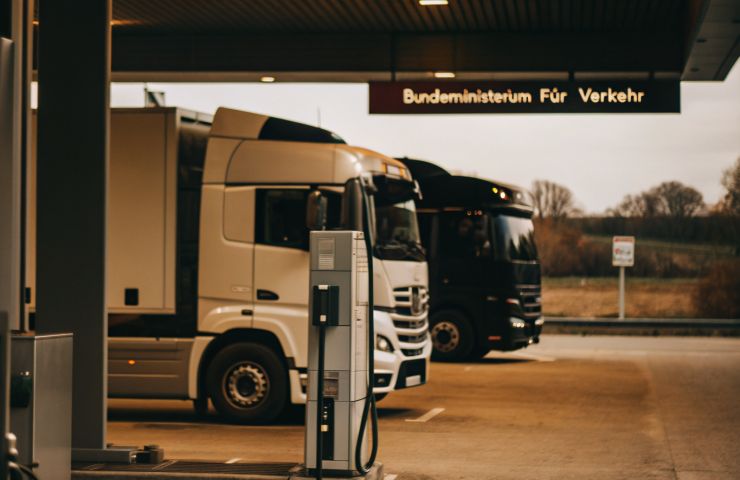
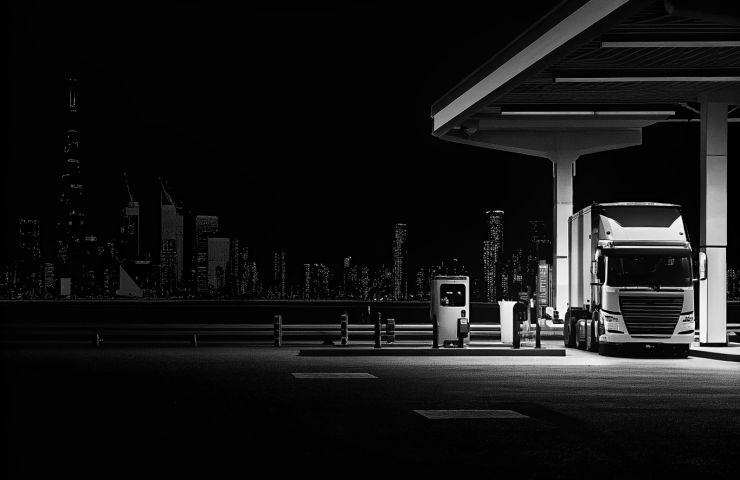
The Bundesministerium für Verkehr is putting €220 million on the table to kickstart a hydrogen revolution in freight transport. They’re set to launch as many as 40 hydrogen refueling stations and roll out around 400 hydrogen fuel cell trucks. This effort aims to finally overcome the long-standing chicken-and-egg situation that’s been hampering the growth of clean trucks for ages.
Why This Sparks Change
Let’s face it: heavy freight emissions have been a tough nut to crack. Diesel engines are pretty much the kings of the road, and why would carriers jump ship without a solid refueling option? Earlier this year, the ministry called for funding under the National Innovation Programme for hydrogen and fuel cells (NIP) to create an essential network of hydrogen refueling stations along major routes. The goal? Get enough trucks on the road to make those refueling stations genuinely viable.
And you know what? By mid-year, the response was overwhelming. They received a whopping 526 applications asking for €455 million—more than twice what’s available! With 71 bids for stations and 455 for vehicles, it’s clear that the industry is eager to dive into hydrogen infrastructure and tap into the potential of green hydrogen production for their heavy-duty fleets.
Connecting Trucks and H₂ Stations
This isn’t just another run-of-the-mill subsidy program—it's a smart, well-thought-out plan. For the refueling stations, this fund covers up to 50% of investment costs, capping out at €4 million per site. And for those fuel cell trucks, carriers can offset up to 80% of their additional costs over diesel models—up to €3 million for each vehicle package.
Here’s the cool part: hydrogen fuel cell trucks store compressed hydrogen at 350 or 700 bar. Inside their on-board fuel cell, hydrogen meets oxygen, creating electricity to power the electric motor. They can refuel almost as quickly as diesel trucks and offer the range that carriers need for those long hauls. It’s almost like plug-and-play for the transport sector—minus the power plug, of course.
Behind the Big Push
At the forefront of this initiative is Patrick Schnieder, Germany’s transport minister. He’s all about a tech-neutral strategy, where hydrogen vehicles work side by side with battery electrics, especially for those longer trips. This initiative aligns perfectly with EU regulations under the AFIR framework, which calls for hydrogen refueling stations along the Trans-European Transport Network.
Experts from the Nationaler Wasserstoffrat are buzzing about this plan, seeing it as a potential game-changer. They envision a network that could support thousands of hydrogen trucks by 2030. With project approvals expected later this year, companies can start laying the groundwork for real-world deployments, from logistics hubs to major ports.
What’s on the Horizon
This funding boost couldn't have come at a better time. As the EU tightens the screws on CO₂ limits for heavy vehicles, carriers are feeling the heat to cut emissions. Hydrogen vehicles are looking like a clear solution for long-haul and high-load situations, where traditional batteries are weighed down by limitations in weight and charging times.
In the coming months, those who win the funding will be busy mapping out routes, securing supplies of green hydrogen, and placing orders for their fleets. If everything rolls out smoothly, this could spur private investment into hydrogen infrastructure around Europe, speeding up the shift to zero-emission freight.
Beyond the Grant
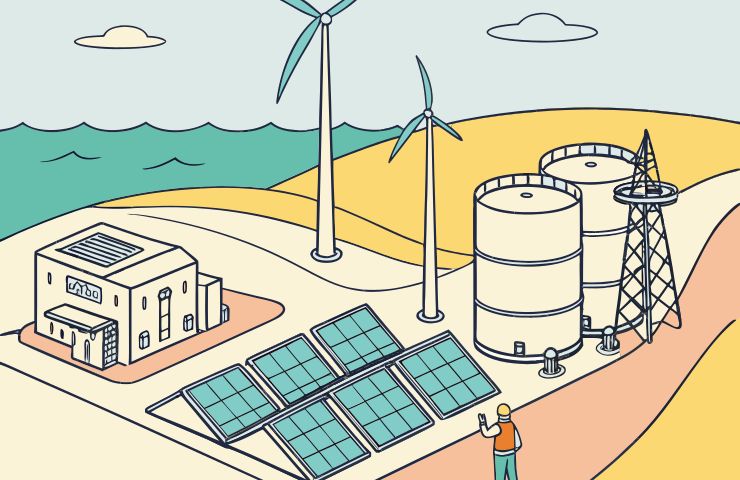
Of course, it’s not all smooth sailing. We still have hurdles to jump, like ramping up green hydrogen production at scale. Making sure that the hydrogen stations use 100% renewable sources is absolutely essential for delivering those climate benefits. But with this funding anchor now in place, the market is getting a solid signal: hydrogen is on the scene in heavy transport.
So, buckle up! Germany’s move towards hydrogen infrastructure is about to change the game on highways and in logistics chains. The big question now is: which carrier will be the first to ditch diesel and hop aboard the refueling revolution?