Hydrogen Data Centers: SHPT Deploys Fuel Cells in Egypt’s First Green Backup System
SHPT has shipped 100 kW hydrogen fuel cell modules to an Egyptian data center, integrating PEM electrolysis, solid-state storage and battery UPS for two hours of green backup power.
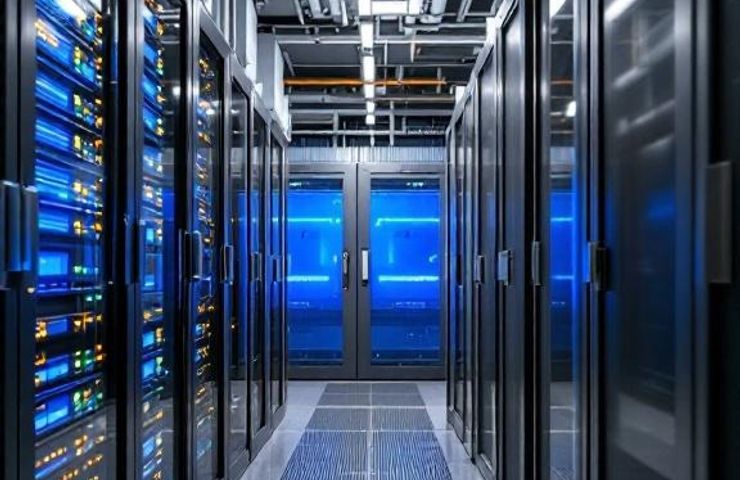
Exciting news from China! Shanghai Hydrogen Propulsion Technology (SHPT) just delivered its first hydrogen fuel cell backup system to an Egyptian data center. This is being hailed as Egypt’s first ever hydrogen data center, and it promises to offer two whole hours of zero-emission backup power for a major mobile operator. Let’s see if it can really deliver on that promise.
Core News
SHPT has shipped out its 100 kW-class hydrogen fuel cell power modules to support a data center belonging to Egypt's largest mobile operator when it comes to subscriber count. A recent press release hit the wires and caught attention across platforms like Yahoo Finance and the Laotian Times, detailing an integrated backup solution. This setup combines PEM water electrolysis for producing hydrogen, solid-state hydrogen storage, a hydrogen fuel cell power generation system, and an uninterruptible power supply (UPS). If everything goes to plan, the system should provide around two hours of power if the grid fails. While it's exciting to see this initiative as Egypt’s first hydrogen emergency backup for its digital landscape, there are some unanswered questions—like the exact location of this facility and the specific operator involved.
What It Means
This step is a game-changer in green hydrogen news, moving the focus from hydrogen use in vehicles over to stationary backup solutions for data centers. Traditionally, diesel generators have been the go-to for emergency power, but with stricter sustainability rules and growing concerns about urban air quality, many operators are now looking for greener alternatives. With Egypt strategically situated between Europe, Asia, and Africa, it's ramping up its digital infrastructure through ambitious plans like Egypt Vision 2030 and the Digital Egypt strategy. The U.S. International Trade Administration currently values the data center market at around $278 million, but projections suggest it will soar to over $694 million by 2030. By integrating green hydrogen production and related hydrogen infrastructure, this approach could significantly cut local emissions and provide a model for a resilient, low-carbon backup solution.
Technical Spotlight
On the technical side, a PEM electrolyzer kicks things off by converting water into hydrogen and oxygen using electricity—ideally from renewable sources, though those contracts aren’t publicly available. The hydrogen is then stored in solid materials—either metal hydrides or advanced adsorbents—rather than in high-pressure tanks. This solid-state hydrogen storage method keeps hydrogen chemically bound, which lowers the risks of leaks and explosions until it’s needed.
When the grid goes down, the battery UPS jumps in to immediately support critical loads, offering power in just milliseconds. At the same time, the hydrogen fuel cell stacks come alive: hydrogen at the anode splits into protons and electrons; the electrons generate direct current (DC) to power the data center, which is then inverted to alternating current (AC); meanwhile, those protons combine with oxygen at the cathode to create water. SHPT’s design aims for around two continuous hours of power before either the grid kicks back in or a controlled shutdown takes place. This layered strategy—comprising electrolyzer, storage, fuel cell, and UPS—proves how hydrogen production, storage, and fuel cell technology can work together to form a solid backup chain.
Parallel Stories
Other companies, such as Vertiv and Hitachi Energy, have also shared white papers on the applications of hydrogen fuel cells for data center backup, often relying on natural gas-based hydrogen or blends. Some early trials in North America, Europe, and Asia demonstrated technical viability but remained niche due to high costs and regulatory obstacles. What sets SHPT’s Egyptian project apart is its emphasis on a complete green hydrogen cycle—featuring PEM electrolyzers and solid-state storage right at the site. This could serve as a replicable template for regions blessed with plenty of sun or wind looking to bolster hydrogen storage solutions and achieve grid independence.
Strategic Angle
From a business perspective, SHPT is shifting gears from focusing solely on vehicle propulsion to offering distributed power solutions. Data center operators are feeling the pressure—both reputationally and regulatory—to lower local emissions and meet zero-emission goals. Early adopters are eager to showcase their green credentials. For Egypt, this project aligns neatly with the country’s growing set of green hydrogen initiatives along its Mediterranean and Red Sea coasts, which may pave the way for future export corridors to Europe. Safety protocols and permitting processes will be carefully monitored by regulators, including aspects like setback distances, leak detection, and emergency responses, which could influence standards for upcoming hydrogen infrastructure.
Analyst’s Take
Now, let’s not get ahead of ourselves. While two hours of backup might be enough for moderate reliability, it doesn't quite cut it for prolonged outages, especially in uncertain grid situations. Plus, the lack of disclosed contracts for renewable power raises some eyebrows regarding the touted carbon benefits. Until operators provide information about uptime, maintenance logs, and lifecycle emissions, we’re left guessing based on specs provided by the manufacturers. But still, this integrated chain strategy offers a compelling glimpse into how green hydrogen production and fuel cell power can come together on a larger scale. If everything runs as it should, we could see SHPT pursuing similar projects throughout the Middle East and Africa. However, wider adoption will depend on price reductions for green hydrogen and a smoother regulatory path.
Looking Ahead
The real challenge will arise when the operator finally shares performance stats and cost comparisons with batteries and diesel generators. Will this initiative elevate hydrogen news from a neat idea to a serious backup player, or will high initial costs and complex integration keep it as a one-off showcase? For now, it’s certainly an intriguing proof of concept—one that could change the game for green data centers if the economics and execution fall into place just right.
```