Hydrogen fuel cell news: HARTING’s Reversible Fuel Cell Plant in Espelkamp Leads the Charge in Industrial Decarbonization
HARTING Technology Group and Reverion GmbH launched a reversible fuel cell plant in Espelkamp, targeting up to 75% round-trip efficiency and climate-positive power.
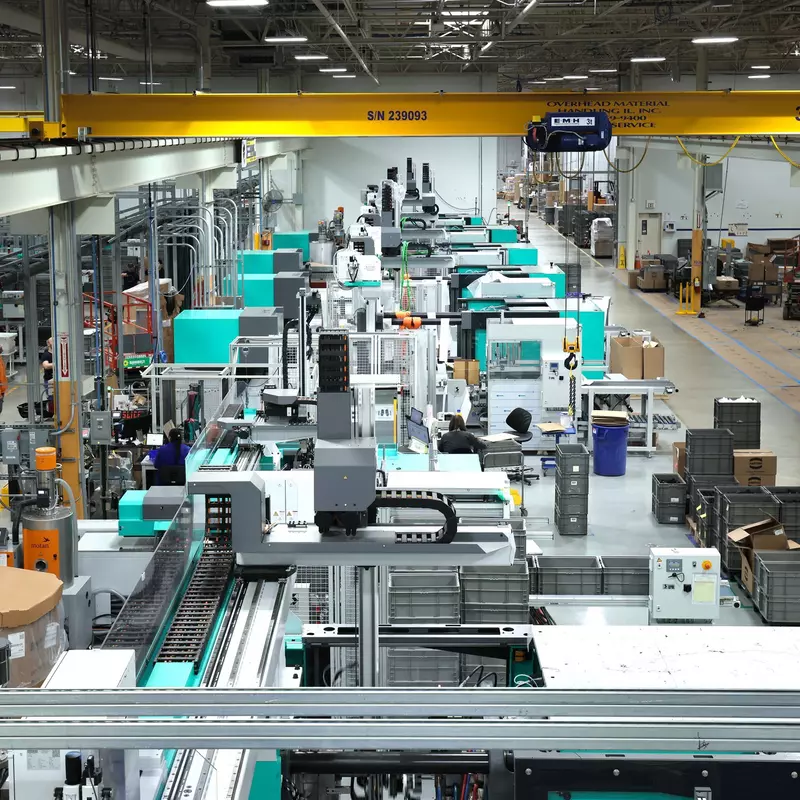
Right in the heart of North Rhine-Westphalia, Espelkamp—home to around 26,400 folks and a thriving manufacturing scene—is stepping into the spotlight as a fresh hub for clean energy innovation. Recently, the HARTING Technology Group kicked things up a notch at their main production and innovation campus by launching a modular reversible fuel cell power plant. This isn’t just any power plant; it’s designed to churn out climate-neutral electricity while offering some seriously flexible storage options. Powered by cutting-edge solid oxide technology from Reverion GmbH, this installation gives us an exciting peek into the future of industrial decarbonization in Germany’s most bustling state.
A Pioneering Installation in Espelkamp
Instead of just slapping some off-the-shelf equipment together, HARTING Technology Group opted for a fully integrated solution from Reverion GmbH. This setup can toggle between two modes—fuel cell mode, which turns biogas or hydrogen into power, and electrolysis mode, where it converts surplus renewable electricity back into hydrogen or synthetic methane. With design goals boasting around 80% electrical efficiency for biogas-to-power conversion and roughly 75% round-trip efficiency for hydrogen storage cycles, this system is definitely outpacing traditional combined heat and power units.
A Modular Game-Changer for Industry
The magic of this reversible solid oxide system lies in high-temperature ceramic cells that facilitate electrochemical reactions without any combustion. In fuel cell mode, it generates reliable electricity and heat while capturing a pure CO₂ stream from biogenic fuels, allowing for effective storage or utilization. When there’s too much renewable energy on the grid, the plant switches to electrolyser mode, cranking out green hydrogen or methane for on-site use or even injecting back into existing gas infrastructure. This dual-mode flexibility is a game-changer for manufacturers looking to balance the ups and downs of renewable energy supply.
Collaboration Driving Innovation
This project truly highlights the strength of collaboration across different sectors. Reverion GmbH, a spin-off from the Technical University of Munich, brought some serious research chops on reversible solid oxide cells, while HARTING Technology Group contributed the industrial platform and connectivity expertise needed to seamlessly integrate this system into factory operations. Local authorities in North Rhine-Westphalia have also jumped in to support this initiative through their hydrogen and industrial decarbonization programs, simplifying the permitting process and backing R&D funding.
Impacts on Sustainability and the Energy Transition
By replacing or supplementing conventional grid power with on-site fuel cell generation, this innovative plant not only slashes carbon emissions but also shields HARTING from the rollercoaster of electricity prices. Its built-in carbon capture capability means that when running on sustainably sourced biogas, the plant can actually achieve climate-positive results by sequestering biogenic CO₂ rather than just releasing it into the atmosphere. Over time, this kind of installation can significantly reduce Scope 2 emissions for manufacturing firms while building local know-how in advanced hydrogen technologies.
Building Momentum in North Rhine-Westphalia
North Rhine-Westphalia has long been known as Germany’s industrial backbone, but now it’s stepping up as a leader in hydrogen infrastructure and sector coupling. From experimental electrolyser parks to large-scale storage pilots, the region has laid out an ambitious policy framework aiming to cut industrial emissions by 80% by mid-century. The Espelkamp fuel cell plant shines as a crucial reference point, demonstrating that modular, reversible systems can handle real-world conditions right in an active factory.
A Glimpse into the Future
Looking down the road, if this project succeeds, it could inspire a wave of similar setups across Europe’s older biogas and manufacturing facilities. HARTING Technology Group may use this success as a launching pad to develop new turnkey solutions that blend power electronics, connectors, and state-of-the-art fuel cell modules. On the flip side, for Reverion GmbH, each commissioned plant not only builds their reputation but also draws in further utility and industrial partners looking for flexible, high-efficiency backup power and long-duration storage.
Conclusion
By combining advanced reversible solid oxide technology with the operations of a major industrial player, this project showcases just how powerful collaboration, regional support, and engineering excellence can be in speeding up the energy transition. As the new plant in Espelkamp kicks off by supplying low-carbon power to the grid and local operations, it gives us a real taste of what sustainable manufacturing could look like in the future—an exciting reality where “game-changer” solutions are more than just pilot projects; they’re foundational pieces in the journey towards a climate-neutral economy.