Hydrogen Infrastructure and Smart Electricity Grids Take Center Stage at EU Energy Forum in Copenhagen
EU policymakers at the Copenhagen forum urged fast deployment of smart electricity grids and hydrogen infrastructure, highlighting tools like Capacitypedia and the EU Hydrogen Mechanism to boost transparency and de-risk investment.
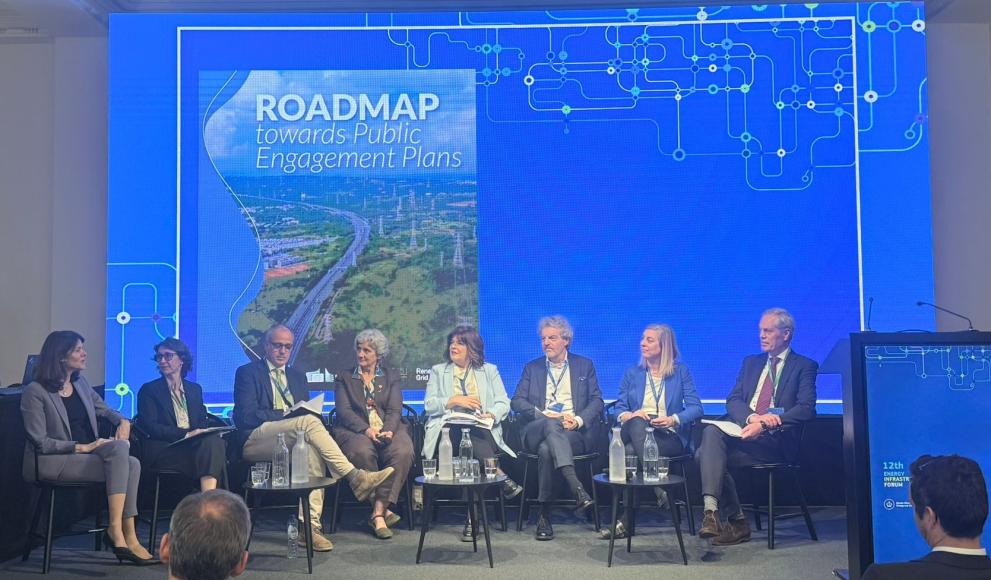
Copenhagen recently played host to Europe's leading energy summit, and the takeaway couldn't be clearer: it's high time we move from just talking about targets to actually implementing solutions. At the 12th Energy Infrastructure Forum, EU ministers, regulators, and grid operators focused on a crucial theme: how hydrogen infrastructure and smart electricity grids can be the backbone of Europe’s transition to a net-zero economy. With the ongoing tensions in Ukraine and the Middle East creating ripples in gas markets, the Forum emphasized the urgency for Europe to ramp up hydrogen production, embrace green hydrogen, and modernize its energy grid. If action isn’t taken soon, Europe risks falling behind rivals who are pushing the boundaries of clean hydrogen innovation.
Shifting Focus to Implementation
After years of lofty ambitions, the consensus at the Forum was clear: we need to stop debating and start doing. Framed by insights from Dan Jørgensen, the European Commissioner for Energy and Housing, and Christian Stenberg, Deputy Permanent Secretary of the Danish Ministry of Climate, Energy and Utilities, the discussions highlighted that many of the answers we need are already on the table. From updating high-voltage lines to creating underground hydrogen storage, there are effective solutions waiting to be tapped. The real challenge is slicing through all the red tape, securing financing, and building a consensus across borders. Stakeholders pointed out that permitting processes, both nationally and at the EU level, are still bottlenecks. Streamlining timelines and digitizing permit submissions could save months on project timelines. The call was made for regulators and system operators to set up one-stop shops for grid connection applications, while financial institutions urged for clearer project pipelines to help them assess risks and tweak financing packages. With the European Commission’s TEN-E Regulation expanding to include smart grids and hydrogen corridors, the Forum participants pressed member states and system operators to transform policy into real, actionable projects, and fast!
Modernizing Electricity Grids with Digital Solutions
Electricity networks have been feeling the strain with rising demand and the unpredictable nature of renewable energy sources like wind and solar. At the Forum, technology providers showcased some impressive grid-enhancing technologies and digital solutions that could help maximize the capacity of our existing lines. Innovations like dynamic line rating, phase-shifting transformers, and topology optimization software are making the case for a smarter approach to handling network upgrades. These tools utilize real-time data and advanced analytics to optimize power flows, reduce congestion, and delay the need for expensive new infrastructure. Platforms like the Distribution Network Development Plans portal are also stepping in to identify where reinforcements are urgently needed, giving investors and communities a clear view of upcoming projects. It’s clear that Europe's grid operators aren't just hanging wires anymore; they're managing networks with a new level of flexibility and responsiveness.
Building the Backbone: Hydrogen Infrastructure
Hydrogen infrastructure emerged as a central theme alongside electricity grids. Many delegates pointed out the importance of the EU Hydrogen Mechanism, which aims to centralize data on supply, demand, and pipeline requirements. By connecting producers with buyers early on, this initiative should help mitigate the risks that have historically bogged down hydrogen transmission projects. There was also a lively debate about whether to repurpose existing natural gas pipelines or lay new ones specifically designed for hydrogen’s unique properties. Strategic storage solutions—like salt caverns—will be essential for balancing seasonal fluctuations in green hydrogen production from electrolyzers that are powered by offshore wind farms and solar parks. However, without a solid network development strategy and aligned tariff rules across member states, pan-European hydrogen corridors could get stuck at national hang-ups.
Tools for Transparency and Investment
Transparency was a recurring theme throughout the Forum. The Commission’s Capacitypedia tool, which now covers interconnection capacities, acts as a dynamic map of congestion hotspots and available spaces for new projects. Its sister, the DNDP portal, pulls in distribution-level plans so stakeholders can keep tabs on how demand and distributed generation are expected to grow. This level of transparency is meant to tackle the information gap that often discourages private investment and drags out the permitting process. By centralizing data and standardizing formats, these tools shine a light on areas ripe for investment—be it for offshore wind hubs, data centers craving clean energy, or industrial clusters looking to electrify or switch to hydrogen.
Financing and Fair Cost Sharing
There's no magic solution to bridge Europe’s multi-hundred-billion-euro infrastructure gap, but a mix of public funding, EU-level grants, and private lending is definitely on the table. With the Projects of Common Interest framework, cross-border initiatives can take advantage of streamlined permitting and co-financing opportunities. Yet addressing fairness in how costs and benefits are shared remains a hot topic. Hosting countries often bear the environmental and social impacts while neighboring nations enjoy the energy benefits. The discussion highlighted the need for draft guidelines on equitable cost-sharing that could help ease tensions. Early negotiations involving local communities, grid operators, and regional governments are essential for building trust and navigating legal hurdles.
Public Acceptance as a Project Enabler
Opposition to new power lines and pipeline routes has derailed countless infrastructure projects over the years. To tackle this issue, the Forum highlighted the Roadmap towards Public Engagement Plans, an initiative led by the Commission aimed at involving citizens from the get-go. By laying out the project benefits, mitigation strategies, and community compensation options upfront, developers can foster a social license that can outlast changes in political leadership. In practice, this could involve joint workshops, interactive mapping tools, or even shared profits for local renewable and hydrogen projects.
A Forward Path
As discussions wound down, one message resonated without a doubt: Europe has many of the tools it needs to create a robust hydrogen infrastructure and electrified grid, but turning those plans into reality will require urgent, coordinated action. Time is of the essence—not just for climate goals, but also for maintaining Europe’s edge in clean technology. With new legislative reviews and funding decisions on the horizon, member states will soon find themselves in a race to launch those pilot hydrogen corridors, secure offtake agreements, and kick off smart grid rollouts. The real challenge, however, lies in transforming plans into steel, concrete, and electrons, and doing so before global competitors get too far ahead.