Hydrogen infrastructure: RVK builds on-site green hydrogen production and refueling hub in Mechernich
RVK has kicked off construction of a green hydrogen electrolyzer and refueling station in Mechernich, aiming to produce renewable hydrogen on-site for its bus fleet and public users, and offering a scalable model for regional transport decarbonization.
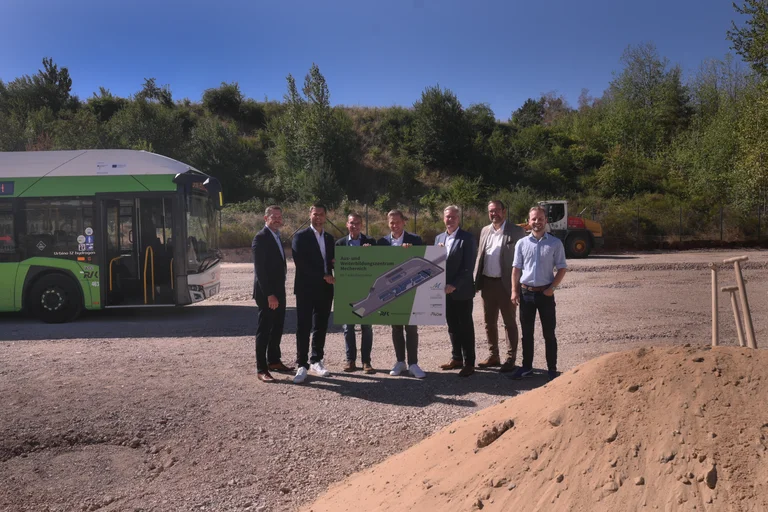
Regionalverkehr Köln GmbH (RVK) just kicked off construction for a brand-new electrolyzer and hydrogen refueling station in Mechernich. This cutting-edge facility is set to churn out renewable hydrogen to power their fleet of fuel cell buses, and eventually, they’re looking to serve public cars and trucks too. It’s a fantastic step forward in the world of green hydrogen production and another milestone in clean hydrogen developments for regional transport!
Big splash in local mobility decarbonization
This initiative makes a big splash for decarbonizing local transport. Rather than relying on outside deliveries for hydrogen, RVK is diving into the green hydrogen production scene with its own PEM electrolyzer. They’ve teamed up with Ingenion for the engineering and construction side of things, so you know they mean business about leading the energy transition. The station will be located at the upcoming AWM mobility and training campus in Peternheide, which used to be a military site, and will be open to the public as well as dedicated to fleet refueling.
Secret sauce: on-site PEM electrolyzer
The secret sauce in this hydrogen hub is a proton exchange membrane electrolyzer system that splits water into oxygen and high-purity hydrogen using renewable electricity. They’re bringing in two ME450 units from Quest One, with each unit capable of producing up to 450 kg of hydrogen a day under optimal conditions. RVK expects to generate about 36 kg per hour from the whole system. By producing hydrogen right where it's needed, they’re cutting down on logistics challenges like they’re kicking that hassle to the curb!
How the hydrogen filling station kicks that challenge to the curb
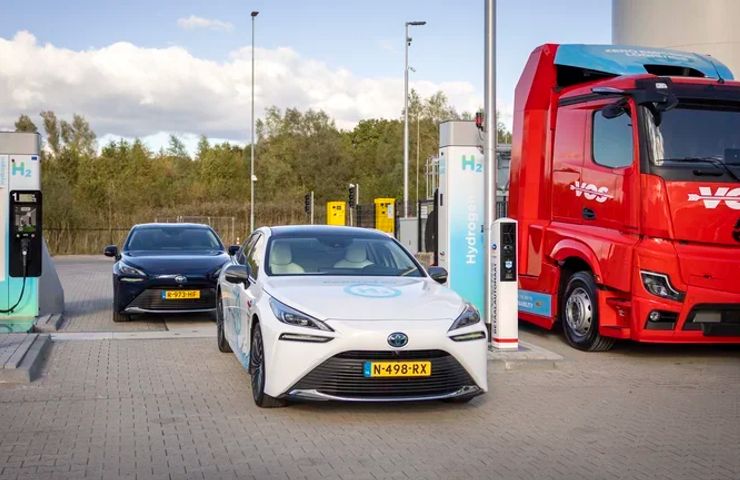
The integrated hydrogen filling station will handle everything—compression, cooling, metering, and storage—before dispensing fuel to the vehicles. It’s got separate 350-bar nozzles for buses and 700-bar points for cars and trucks. This real-world solution really slashes the need for tanker deliveries, making the whole process simpler. Fleet managers will have more control over operations, and the public will have convenient access to green hydrogen, all in one spot!
Built for the future: repurposing Peternheide
The hub RVK is building is truly built for the future, as they’re repurposing some brownfield land. The Peternheide site, which was once home to the German Armed Forces, will now host new hydrogen infrastructure and training facilities for the workforce. The District of Euskirchen is backing this plan as it ties into regional mobility and economic revitalization efforts. By transforming this legacy land into a climate-neutral space, they’re setting an example for future clean energy projects.
The real kicker: scaling an established bus fleet
RVK is no stranger to hydrogen; they’ve been operating fuel cell buses since early last decade, making them one of Europe’s largest hydrogen-bus operators. What sets Mechernich apart is the on-site production. The real kicker is that by controlling their own hydrogen supply, RVK can avoid price fluctuations, enhance fueling reliability, and tighten up depot planning for their buses.
Serious about leading the energy transition
They’re also getting a boost from federal support through Germany’s National Innovation Programme for Hydrogen and Fuel Cell Technology, which helps take the edge off this initial investment. Mechernich is part of a broader trend across Germany—think locations like Lingen and Düsseldorf—where they’re integrating electrolysis with compression and storage. By sticking to only renewable electricity, this station is aiming for compliance with RFNBO (renewable fuels of non-biological origin) standards while advancing hydrogen production methods from just demonstrations to full operational capabilities.
Environmental and economic ripple effects
The environmental upsides look promising, especially if the electricity comes from renewable sources and hydrogen can successfully replace diesel buses. The project is tapping into waste heat from the compression and refueling process, which means they’re pairing efficiency with decarbonization. On the economic side of things, local engineering and construction firms will benefit, creating new jobs and skills within the hydrogen value chain. Plus, the on-site training campus will further equip the workforce for these clean energy projects.
Navigating uncertainties and future scalability
Of course, like anything new, there are challenges to navigate. The actual carbon cuts will depend on the electricity grid mix and how well the electrolyzer can be utilized—running at full capacity only makes sense if the demand matches the supply. Final performance numbers might change once they start commissioning and can confirm everything aligns with the original design targets. Nevertheless, by embedding hydrogen production within depot operations, RVK is protecting against fuel cost fluctuations and refining their offtake agreements. Future expansions could mean linking up with more fleets or bringing in private partners.
From demonstration to operational network
In the past, early hydrogen stations often relied on fuel that was trucked in, but on-site electrolysis represents the next step forward. Mechernich is joining a growing list of German examples that are transitioning from pilot projects to a network of operational assets. Operators and policymakers will be keeping a close eye on utilization rates and cost results. If everything from a business perspective lines up with the projections, this model could be something we see replicated at other depots for buses, trucks, and even passenger vehicles.
Community engagement and public access
By making the station accessible to public vehicles as well, RVK is really showing they care about the community. With 700-bar refueling options available for private cars, this project is bridging the gap between bus operations and everyday public mobility. Local drivers can easily fill up on green hydrogen just a few steps away from a training center, building confidence among fleet managers, regulators, and citizens alike.
Policy backing and financing
This initiative is also tapping into federal grants aimed at reducing the risks tied to early-stage hydrogen infrastructure. By aligning with national goals for transport decarbonization and regional development plans, RVK has strengthened its case for funding. This smart approach to project financing highlights how public-private partnerships can enhance market confidence and speed up the rollout of vital infrastructure.
Bottom line...
So, to sum it all up, this hub is weaving together hydrogen production, storage, and refueling into one comprehensive package. By setting up on-site electrolysis and a multi-pressure refueling station, RVK is showing other operators how they can decarbonize transport on a bigger scale. Once they complete the commissioning later this year, the site will not only boost fleet efficiency but also provide public access to green hydrogen while transforming military land into a clean mobility space—demonstrating what’s possible when technology, policy, and planning come together for a genuine solution!