Nuclear Process Heat Demonstrator Unveiled at Kalpakkam
India’s DAE and IGCAR have launched a pilot plant in Kalpakkam that integrates nuclear process heat with a Copper–Chlorine thermochemical cycle to demonstrate low-carbon hydrogen production.
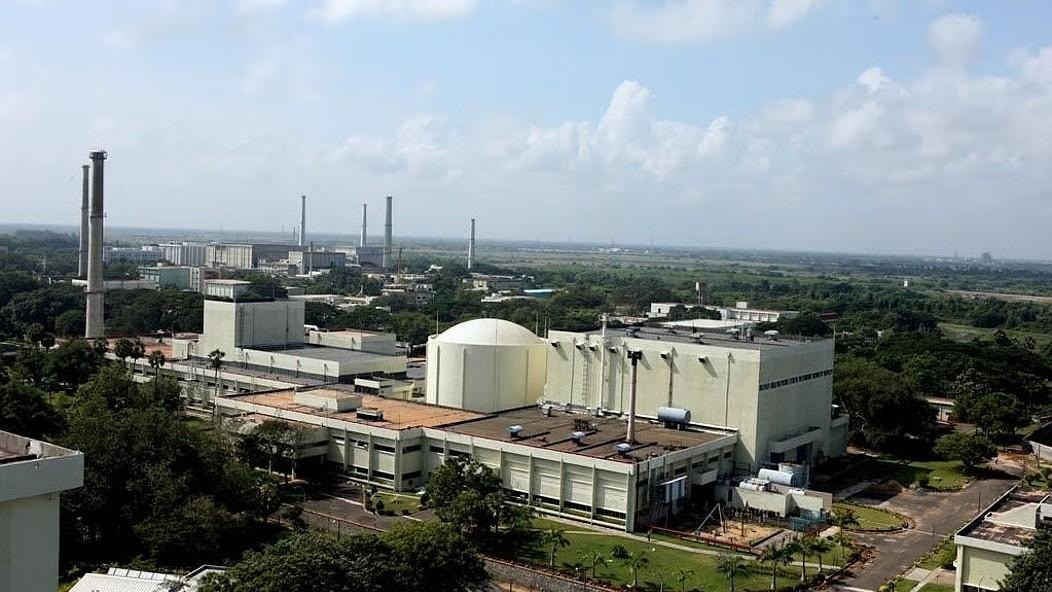
This month’s clean hydrogen news is all about a groundbreaking pilot project launched by India’s Department of Atomic Energy (DAE) at the Indira Gandhi Centre for Atomic Research (IGCAR) in Kalpakkam. They’ve rolled out a fascinating facility that combines nuclear process heat with a homegrown Copper–Chlorine thermochemical cycle. This innovative setup aims to shake up the way we think about hydrogen production, cutting down carbon emissions while keeping operations steady. Big names like Ajit Kumar Mohanty, the DAE Secretary, and Sreekumar G. Pillai, the Director of IGCAR, gathered to celebrate this exciting development—a project touted as a key player in industrial decarbonization and a real, feasible solution for the future.
Big Splash in Hydrogen Production
The new setup at Kalpakkam isn’t your typical power plant. It taps into heat from advanced fast reactors instead of relying on electricity or fossil fuels. This place is already home to the Fast Breeder Test Reactor, and just this past year, they achieved first criticality with the Prototype Fast Breeder Reactor. By using reactor process heat directly, they’re taking a bold step towards integrating nuclear energy into green hydrogen production, something not many pilot programs around the globe have dared to try. The focus here isn’t on immediate commercial output; it’s more about gathering vital data on how everything performs over time and under real-world conditions. This hands-on approach could be a game changer when it’s time to scale up.
Secret Sauce: Copper–Chlorine Cycle
So, what’s the magic behind this plant? It’s all about the Copper–Chlorine thermochemical cycle developed by the Bhabha Atomic Research Centre (BARC). Unlike the more traditional steam methane reforming that tends to spew out a lot of carbon emissions, this process uses a series of copper and chlorine compounds heated up to moderate temperatures—around 500 °C—to separate water into hydrogen and oxygen. With its lower temperature needs and impressive efficiency, it's looking like a strong competitor among different hydrogen production methods. At Kalpakkam, they’ve designed the system to meet nuclear safety standards using carefully crafted heat exchangers and special loops, showing how nuclear hydrogen can tackle those pesky emissions head-on.
Nuclear Process Heat: A Real-World Solution
You might not hear nuclear process heat mentioned much in hydrogen discussions, but it has some unique perks. Nuclear reactors boast high capacity factors, which means they can provide steady thermal energy for industrial processes. In this setup, they channel some reactor outlet heat through sodium-to-water heat exchangers, making it available for the Cu–Cl plant. This modular approach keeps the radioactive and non-radioactive systems separate, ensuring safety while still delivering the high-quality thermal energy needed for the hydrogen production process. The really exciting part is that one day, these plants could potentially switch between producing electricity and hydrogen, though we’ll have to wait and see if that idea holds water.
Built for the Future: Scaling Clean Hydrogen Production
The Kalpakkam facility is more of a tech demonstrator than a commercial plant, so its focus is on learning rather than flooding the market with hydrogen. Researchers are keeping a close eye on everything from reaction efficiencies to how well materials hold up over time. All this data will help steer the design of what could be a groundbreaking commercial plant in the future. By validating the concept right here, India’s nuclear sector is gearing up to offer a solid solution for low-carbon hydrogen in areas where renewable energy might be hit-or-miss. Plus, it sends a strong message to potential investors and partners that India is committed to powering the energy transition with homegrown innovation.
Strategic Impact and Next Steps
This project isn’t just a technical milestone; it ties in nicely with India’s broader goals for energy security and decarbonization. By leveraging local nuclear expertise and infrastructure at IGCAR and BARC, the government hopes to slice down on fossil fuel imports and sharpen its competitive edge in hydrogen technologies. If future demonstrations prove effective, India might look into public-private partnerships that could ramp up production, nail down agreements with heavy industries, and explore fun solutions for hydrogen storage and transport. Sure, hurdles like adapting policies for nuclear-hydrogen hybrids and ensuring long-term material durability remain, but by addressing these issues now, Kalpakkam is setting the stage for how future nuclear plants can serve as reliable hubs for both electricity and clean hydrogen.
In a nutshell, this nuclear process-heat demonstrator is a bold statement in the hydrogen energy news scene. It shows that advanced reactors and thermochemical cycles can work together seamlessly, not just on paper. As research progresses and designs evolve, India’s DAE and research centers are well-positioned to pave a straightforward path toward decarbonization, effectively pushing carbon emissions aside while supplying heavy industry, transport solutions, and more with low-carbon hydrogen. The hope is that this journey toward a hydrogen economy is picking up momentum, and Kalpakkam is definitely ready for the sustainable energy future.