IOTA Seoul I: Transforming Seoul’s Gateway with Fuel Cell Technology
Foster + Partners and Igis Asset Management’s IOTA Seoul I will reshape Seoul’s Jung-Gu district with green spaces, heritage elements, and onsite fuel cells and solar power generating 47% of its energy.
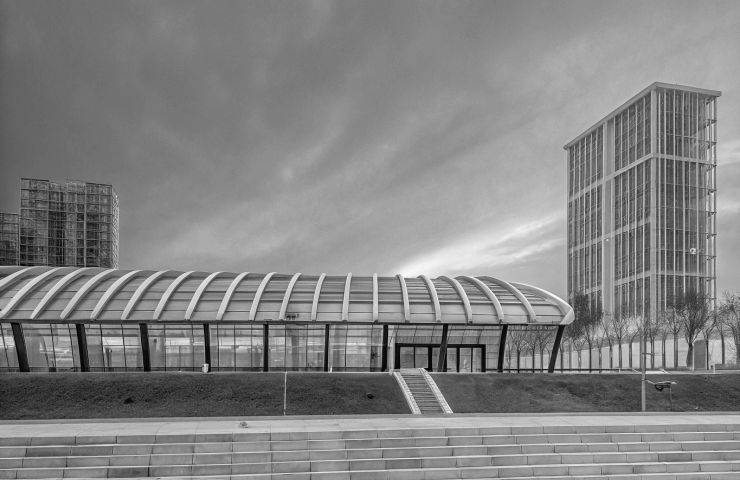
Imagine stepping off a high-speed train at Seoul Station in the heart of Jung-Gu, a borough buzzing with over 10 million people and landmarks like N Seoul Tower. But instead of concrete walls and steel tracks, you’re greeted by winding garden paths leading you uphill toward Namsan Park. That’s the magic of IOTA Seoul I, a new mixed-use development dreamt up by Foster + Partners—pioneers in sustainable design—and local heavyweight Igis Asset Management. Launched on August 15, 2025, on the old Namsan Hilton site, this project doesn’t battle the steep terrain; it celebrates it, carving terraces of lush greenery, multi-level plazas, and sky bridges that stitch together history and high-tech. Sure, there’s a six-star hotel tower and a sleek office block in the pipeline, but your first stop feels more like a community escape than a business district.
Reconnecting City and Nature
For years, the space between the tracks at Seoul Station and the base of Namsan was all bustle and no breathing room. IOTA Seoul I flips that script with pedestrian promenades, tiered lawns, and open-air squares that gently cascade down the slope. It’s practical and poetic, linking neighborhoods and echoing Seoul’s push for sustainable urban development. Picture weekend markets under shade trees, artisans popping up with handmade goods, and cultural festivals turning these new green spots into vibrant gathering places—keeping gentrification at bay by giving locals a stake in the change. And the tourism center? Think of it as an ecology lab-meets-visitor hub, where you learn about Namsan’s flora and fauna while soaking in a fresh urban vibe.
Secret Sauce: Onsite Clean Energy
What really lights up IOTA Seoul I is its energy setup: a blend of fuel cell technology, solar panels, and ground-source heating and cooling, all built into the master plan. Hydrogen fuel cells work quietly in the background, turning hydrogen and oxygen into electricity and heat—with pure water as the only byproduct. Meanwhile, photovoltaic modules on rooftops and facades slurp up Seoul’s sunshine, turning photons into power for everything from lifts to LED lights. Underfoot, a web of geothermal pipes taps the earth’s steady temperature to warm or cool buildings, slashing traditional HVAC loads. Together, they form a mini-grid that sidelines fossil fuels and keeps operations smooth and green.
Serious About Renewable Targets
The bold goal? IOTA Seoul I aims to harvest 47% of its operational energy from on-site renewables and fuel cell technology. Imagine nearly half of the juice that powers a six-star hotel, a 34-story office tower, cultural venues, and retail areas coming straight from solar, hydrogen, and geothermal sources. It’s more than a headline—it’s a hands-on proof that large-scale, mixed-use projects can slash carbon footprints while keeping top-tier comfort intact. Smart energy management tools juggle supply and demand in real time, letting operators catch and fix glitches before they become problems. It’s a clear message: luxury and low carbon can go hand in hand.
Kicks Challenges to the Curb with Funding
Pulling off this vision takes serious backing, and IOTA Seoul I nailed it. In May 2025, the team secured over 2.2 trillion won (around US $1.7 billion) through a structured project finance round led by Igis Asset Management and executed via YD427 PFV. Big institutional players—NH Investment & Securities, Samsung Securities, and Korea Investment & Securities—were all in, signaling that green urban redevelopment is not just idealistic but bankable. The layered finance approach spreads risk, ties funding to construction milestones, and makes sure cash flows right when it’s needed—keeping the project firmly on track for its 2031 opening.
Green Oasis and Community Perks
This isn’t just a new invest-and-forget complex; it’s a genuine gift to the neighborhood. IOTA Seoul I restores acres of green space, planting parks, community gardens, and riverside promenades where families can picnic, joggers can clock miles, and weekend festival-goers can mingle. The cultural quarter will host local art shows, live music, and pop-up cinemas, while the revamped tourism center doubles as an environmental showcase, teaching visitors about Namsan’s ecosystem and heritage. They even preserved the original Namsan Hilton lobby by Kim Jong-sung as a nod to history. On top of that, thousands of jobs in construction, hospitality, and facility management will pop up, with plans for affordable retail leases and open community forums to make sure everyone stays included.
Built for 2031 and Beyond
This transformation is unfolding in phases through 2031. First things first: clearing the site, laying down the green framework, and carefully preserving the old Hilton lobby. Then you’ll see the six-star hotel tower and the 34-floor office block rise, linked by sky gardens and pedestrian sky bridges. Retail and dining spots open under sweeping solar canopies, bringing local flavors to life. The final act brings the cultural venues and the tourism hub online, stitching together a pedestrian-friendly neighborhood where public and private spaces meld seamlessly. Every rooftop, plaza, and podium is built with tomorrow in mind—ready to welcome new technologies, new tenants, and fresh ideas as Seoul’s skyline keeps evolving.
Bottom Line: A Model for Future Cities
At its core, IOTA Seoul I isn’t just another skyline add-on—it’s a beta test for urban regeneration around the globe. It shows you can honor history, energize communities, and embrace cutting-edge clean energy without compromise. The blend of fuel cell technology, solar panels, and geothermal systems proves that real-world solutions to climate goals can be woven right into city life. And with 2.2 trillion won in backing, this project is as bankable as it is visionary. If you’re serious about leading the energy transition and crafting livable, resilient cities, look no further than Seoul’s newest green gateway.