JERA and AM Green Ammonia Pave the Way for a Sustainable Maritime Future
JERA Co., Inc. and AM Green Ammonia have made a significant move towards a clean maritime future with a groundbreaking agreement to supply green ammonia, aiming to revolutionize shipping fuels and promote sustainability.
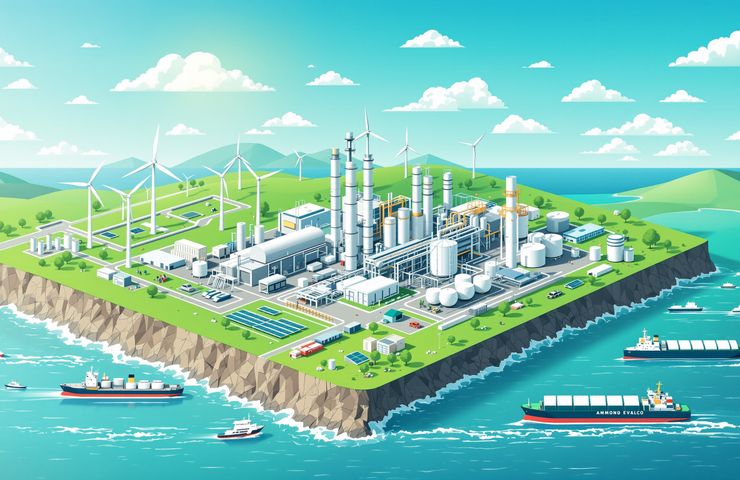
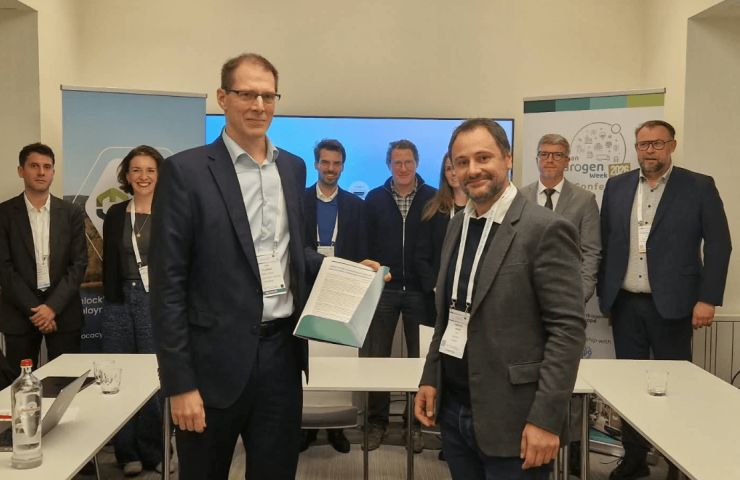
JERA Co., Inc., Japan’s largest power-generation company, has established a binding agreement with AM Green Ammonia (India) Private Limited for the supply of green ammonia, signaling a significant step towards decarbonizing maritime fuel. Under the terms of the deal, the agreement aims to deliver approximately 70,000 tonnes of green ammonia annually over five years, primarily to fuel ammonia-powered carriers, facilitated through Japan's robust maritime infrastructure. The volume and duration are firm in the pact; the shipment profile is intended to support vessel operations that are being adapted to run on ammonia rather than conventional marine fuels. For JERA, the contract represents a direct procurement of a fuel that its planners view as part of a broader route away from carbon-intensive bunker fuels.
This newly inked deal taps into AM Green's planned production facility in Kakinada, Andhra Pradesh, which is expected to utilize renewable energy sources to produce this environmentally-friendly fuel. The Kakinada project is being positioned as a supply node that can feed export markets while aligning with India’s policy ambitions on renewable hydrogen derivatives. Its proponents point to the location and planned technology mix as central to producing ammonia with a substantially lower greenhouse gas footprint than conventional routes. Yet the practical outcome still depends on commissioning, grid arrangements and the operational performance of the facility once built.
What Makes Green Ammonia So Exciting?
Green ammonia stands out as a promising alternative to conventional fossil fuels. Unlike conventional ammonia production, which typically involves carbon-intensive processes using fossil fuels for hydrogen, green ammonia is produced using renewable electricity through methods like alkaline electrolysis, providing a zero-carbon alternative. During combustion, it emits no carbon dioxide, making it an attractive fuel choice for maritime applications. That characteristic is central to why shipping companies and energy buyers are examining ammonia as a fuel: it allows continued use of combustion-based propulsion systems while cutting direct CO2 emissions at the point of use.
AM Green’s Kakinada project is set to harness renewable energy efficiently through advanced technologies, including pumped-hydro storage and advanced alkaline electrolyzers, creating a consistent energy supply for ammonia production. The inclusion of pumped-hydro storage is intended to smooth the variability of wind and solar inputs. In combination with large alkaline electrolyzers, the planned setup is designed to maximize the share of renewable electricity feeding hydrogen production and then synthesis into ammonia. Proponents say this efficient setup is designed to maximize renewable electricity usage and minimize lifecycle emissions, although the ultimate lifecycle performance will track with the real-world operation of each component.
Key Players in the Initiative
Leading this initiative are several robust organizations:
- JERA Co., Inc.: As the primary distributor, JERA will develop receiving, storage, and distribution facilities adjacent to its Hekinan Thermal Power Station in Aichi Prefecture, enhancing Japan’s energy security.
- AM Green: The Indian company is tasked with producing green ammonia at the Kakinada facility, aligning with India’s aspirations to become a major exporter of renewable hydrogen derivatives.
- Kawasaki Kisen Kaisha (K LINE) and Nippon Yusen Kabushiki Kaisha (NYK Line): These prominent Japanese shipping firms will likely create a joint venture to tackle ammonia bunkering, setting up a specialized maritime infrastructure.
- Imabari Shipbuilding Co., Ltd., Shin Kurushima Dockyard Co., Ltd., and Nihon Shipyard Co., Ltd.: These shipbuilders are included in designing and constructing four ammonia-fueled car carriers, which are projected for completion by 2030.
This collaborative model incorporates diverse expertise, reinforcing the goal of advancing ammonia as a clean shipping fuel. Each party brings a different capability: JERA with end-market infrastructure, AM Green with upstream production plans, shipping lines with operational know-how, and shipyards with vessel design and construction capacity. Together they create a chain that links production in India to consumption in Japan, at least in intent, and that integrated approach is presented by participants as necessary to make ammonia a practical alternative rather than a theoretical one.
Real Impact on the Future of Maritime Transport
The implications of this deal extend beyond immediate logistics. It supports multiple strategic objectives:
- Environmental Benefits: The anticipated use of green ammonia could significantly reduce greenhouse gas emissions in the shipping sector, contributing to global targets for net-zero emissions.
- Energy Security: By diversifying its energy sources, Japan enhances its resilience against supply fluctuations, an essential aspect given the country's heavy reliance on energy imports.
- Job Creation and Economic Growth: The Kakinada facility is expected to foster local jobs and manufacturing opportunities, bolstering India's economy and positioning it as a key player in renewable energy.
Quotes from company leaders emphasize these themes, with JERA noting that the agreement represents a commitment to sustainable energy development and underscores the potential for green ammonia on a global scale.
A Bright Horizon for Clean Energy Initiatives
This agreement is a forward-looking project—yet it is still at the preliminary phase regarding implementation. Key elements, including the successful commissioning of the Kakinada plant and infrastructure establishment at Hekinan, remain in developmental stages. There are multiple steps to complete before cargoes can flow at scale: plant construction, testing of electrolyzers and storage, port-side receiving facilities, and the operational rollout of ammonia-powered vessels and bunkering systems. As JERA and AM Green work towards operational readiness, the maritime industry watches keenly; its future sustainability may hinge on projects like these becoming a commercial reality.
As the global maritime landscape pivots toward cleaner fuels, this collaboration exemplifies the kind of innovative partnerships necessary to meet energy needs sustainably. The encouraging trajectory of green ammonia may well signify not just a new chapter for shipping but also a significant stride toward achieving global climate objectives. How quickly and effectively the partners move from plans to deliveries will determine whether this agreement is remembered as an early pilot or as the start of a durable trade in low-carbon marine fuels.