Mantle8 and Hydrogen Europe Team Up to Unlock Natural Hydrogen Potential in Europe
Mantle8 and Hydrogen Europe are advocating for natural hydrogen exploration, aiming for a proposed €1 billion program across Europe—tapping into geological processes to harness clean energy. This collaboration will boost local economies and job creation while addressing the climate crisis.
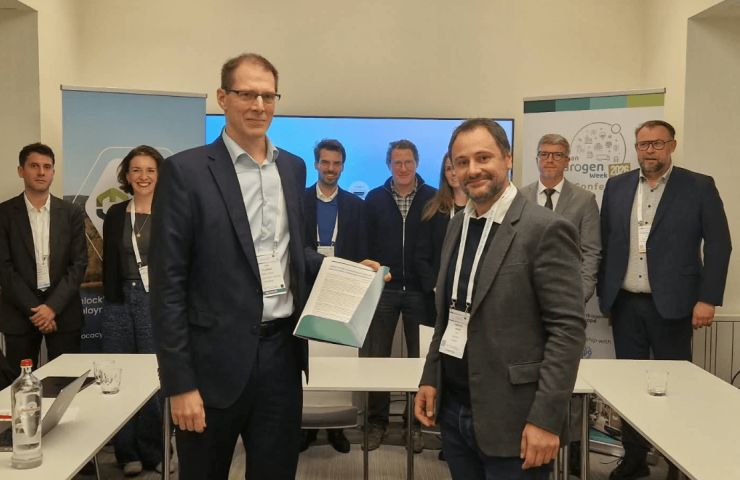
Mantle8, a pioneering company based in Grenoble, France, has officially joined forces with Hydrogen Europe, an influential industry association, to advocate for the exploration of naturally occurring hydrogen resources throughout Europe. The stated purpose of the partnership is to secure recognition within the European Union's energy framework for the potential of natural hydrogen and to mobilize support for a proposed €1 billion exploration program targeting projects across at least ten EU Member States. The move brings together a private developer and a sector association with the explicit objective of elevating natural hydrogen in policy and funding discussions at an EU level.
A Simple Yet Powerful Idea for Clean Energy
The core concept of this initiative is straightforward yet significant: natural hydrogen, which forms through geological processes beneath Earth's surface, can be harnessed to provide an energy source that reduces reliance on traditional fossil fuels. This is not about building hydrogen from scratch through energy‑intensive manufacturing processes, the partners say; instead, they seek to leverage existing geological formations to identify and extract hydrogen that is already present in the subsurface. Extraction, the draft describes, would avoid the need for extensive industrial manufacturing methods that consume vast amounts of energy. In short: find what is already there and make use of it. That approach is presented as a complement to other hydrogen production routes rather than a replacement, and as a way to broaden the toolbox available to policymakers and industry.
Practical Applications to Benefit Multiple Sectors
By tapping into naturally available hydrogen, this project addresses pressing energy needs across various sectors, including heavy industry, transportation, and local energy grids. The partners highlight the potential for natural hydrogen to supply fuel and feedstock where decarbonisation has proved difficult. For hard‑to‑decarbonise sectors such as steel and chemical production, the proposal envisages using extracted hydrogen to generate clean electricity or to serve directly in industrial processes. The hydrogen produced through this clean approach results in water as its only byproduct, making it a zero‑emission energy solution in use. Practical applications, the initiative suggests, range from supplementing grid supplies to providing a domestic hydrogen resource that can be integrated into existing energy systems.
Advancing Local Economies and Job Creation
This initiative is designed with local impact in mind—by supporting exploration and production programs, it is expected to create numerous job opportunities within the regional geoscience and energy sectors. Project proponents argue that work on surveys, drilling, resource assessment and local research and development would draw on regional expertise and supply chains. Those activities, they say, would in turn contribute to regional economic activity and skills development. The proposed projects will utilize local expertise and resources for research and development, thus maximizing their economic contribution to communities across Europe. Energy security will be directly enhanced as countries develop their hydrogen resources, reducing dependence on imports, the partners contend, while also retaining more of the value chain within national or regional economies.
A Vision for Sustainable Future Energy Solutions
Mantle8 and Hydrogen Europe's collaboration aligns perfectly with European goals of transitioning to a low‑carbon energy system. The public framing of the partnership places natural hydrogen within the broader policy objective of reducing greenhouse gas emissions and increasing domestic energy supplies. With initial exploration phases underway, these organizations hope to launch projects that demonstrate the effectiveness of the proposed technologies, paving the way for growth in the natural hydrogen sector. The stated ambitions are twofold: to build a credible base of evidence through exploration and demonstration projects, and to translate that evidence into formal recognition and support within the EU energy framework.
As Europe moves towards more ambitious climate and energy targets, the importance of initiatives like this cannot be overstated. The potential rewards include reduced greenhouse gas emissions, bolstered local economies, and a strengthening of Europe's energy sovereignty—all while addressing the global challenge of climate change. Whether the proposed €1 billion exploration program secures the political backing and financing required across at least ten EU Member States remains to be seen, but the alliance between Mantle8 and Hydrogen Europe aims to make that case in Brussels and beyond.