Moeve and World2Fly Demonstrate Sustainable Aviation Fuel Transition on Madrid-Lisbon Flight
Moeve and World2Fly's flight on November 23, 2026, showcased sustainable aviation fuels without altering existing aircraft systems, marking a pivotal step in aviation's green transition.
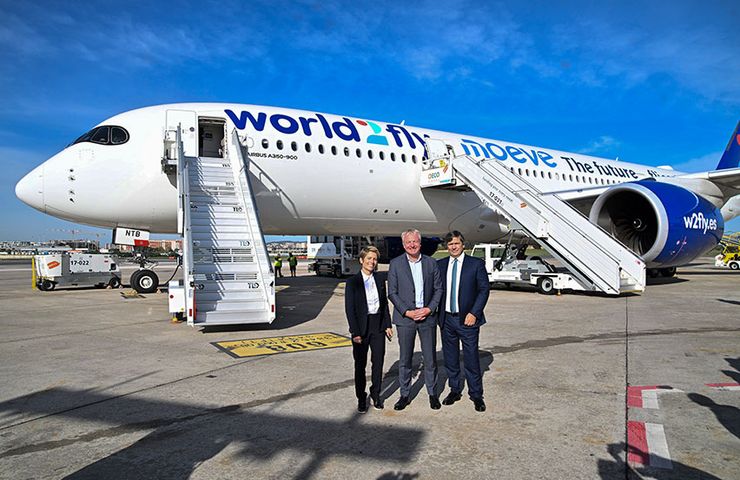
On November 23, 2026, Moeve and World2Fly successfully completed a passenger flight from Madrid to Lisbon utilizing a blend of sustainable aviation fuel (SAF). This operation marked a significant step in demonstrating how new fuel technologies can be integrated into existing air travel infrastructure. The flight utilized a fuel mix composed of 1.2% renewable synthetic aviation fuel (e-SAF), 4.8% bio-based SAF, and conventional kerosene.
Moeve, the former Cepsa, has pivoted its business model towards renewable hydrogen and sustainable fuels in response to the global push for greener energy sources. The company has committed to investing up to €8 billion over the next decade in sustainable businesses, including the development of the Andalusian Green Hydrogen Valley. This initiative aims to enhance the production of green hydrogen, with a projected electrolyzer capacity of 2 GW. The e-SAF used in the flight was produced through a sophisticated process that involved renewable hydrogen combined with captured residual CO2, developed in collaboration with the Spanish National Research Council (CSIC) and the Institute of Chemical Technology (ITQ-CSIC-UPV), alongside the VTT Technical Research Centre of Finland.
The bio-based SAF component used in this operation was derived from circular waste feedstocks, notably used cooking oil collected from Iberostar hotels in Andalusia and Catalonia. This collaborative effort reflects a broader strategy to utilize waste materials effectively, contributing to reduced carbon emissions and promoting sustainability within the aviation industry.
Operational Significance and Regulatory Context
This flight underscores the operational feasibility of integrating sustainable fuels into existing aviation frameworks without necessitating modifications to aircraft engines or airport fueling systems. The blend produced can utilize current aviation infrastructure, which is critical for the widespread adoption of these alternative fuels.
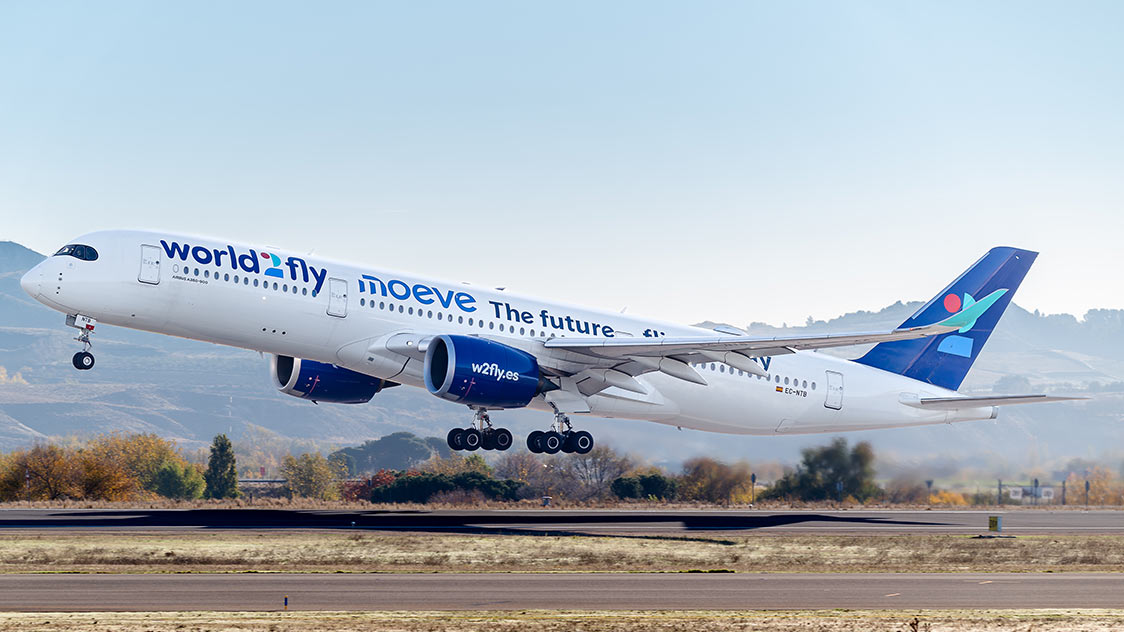
The flight also aligns with the ReFuelEU Aviation initiative, a European Commission framework that mandates increasing the use of SAF at EU airports. With a stated aim of achieving at least 6% SAF by 2030 and a specific target of 1.2% e-SAF, this operation serves as a practical demonstration of readiness for the forthcoming regulatory requirements.
Challenges Ahead
While this demonstration is a major milestone, the aviation industry continues to face significant barriers regarding the cost and availability of sustainable fuels. Currently, the production of SAF, especially synthetic aviation fuel, is estimated to cost three to six times more than conventional jet fuel. This stark price disparity highlights the need for continued investment, research, and innovation to scale up production and reduce costs.
Moreover, current SAF supply is insufficient to meet rising demand within the aviation sector. Sustainable aviation fuels must become more accessible and economically viable for airlines to make a full transition away from fossil fuels. The operational success of this flight provides hope but not answers to the long-term economic and environmental challenges facing aviation.
Conclusion
The November flight not only showcased a collaborative effort involving energy, transportation, logistics, and research sectors but also set the stage for future advancements in sustainable aviation. As companies like Moeve lead the charge and initiatives like ReFuelEU Aviation create regulatory frameworks, the aviation industry may gradually shift towards a more sustainable operational model. However, achieving large-scale implementation of green hydrogen and sustainable fuels remains a complex challenge that requires joint commitment and innovation across all stakeholders in the aviation ecosystem.