Natural Hydrogen Exploration: Lawson 2-24 Well Records 831 m of Continuous Hydrogen
MAX Power Mining’s Lawson 2-24 well has recorded continuous hydrogen readings over 831 m, signaling a connected subsurface reservoir and a key step toward commercial natural hydrogen production in Canada.
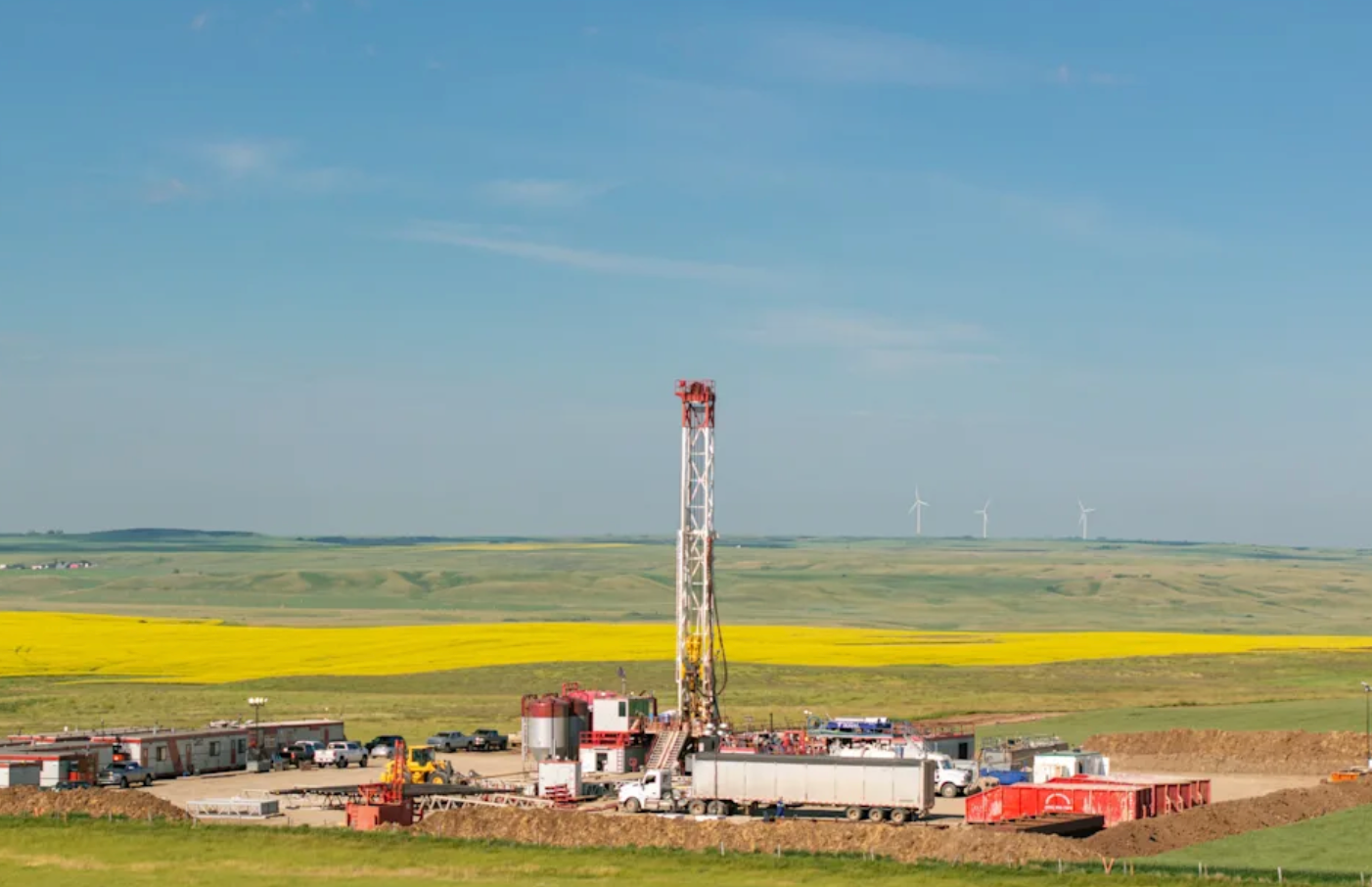
MAX Power Mining Corp. has some great news for the world of natural hydrogen exploration! Their Lawson 2-24 validation well, located near Central Butte, Saskatchewan, has recorded consistently high hydrogen readings over a staggering 831 meters. This milestone is pushing Canada closer to having its very first confirmed subsurface hydrogen system on a commercial scale.
Here's the kicker
Picture this: you drill down over 2 kilometers into the Earth and hit hydrogen shows every meter for more than 800 meters straight! That’s exactly what happened when the rig drilled through layers of Upper Devonian formations at about 1,539 meters, cut through Deadwood sandstones, and penetrated Precambrian basement fractures all the way down to 2,370 meters. Downhole sensors recorded hydrogen levels that shot well above background, peaking in a basement fracture zone—a clear indicator of a connected reservoir!
Why it matters
The previous year, the Lawson 15-19 discovery well demonstrated that Canada does indeed have subsurface natural hydrogen, with independent laboratories verifying the presence of up to 28.6% hydrogen in core samples and flow tests showing between 16.8% and 19.1%. However, having just one well isn’t enough to draw any big conclusions. The continuous readings in the Lawson 2-24 suggest that we might be looking at a system capable of delivering sustainable flow rates rather than just isolated pockets of gas.
Under the hood
So, how does natural hydrogen form? It emerges through geological processes like the serpentinization of ultramafic rocks, radiolysis of water, and various reactions deep underground. This exploration is similar to oil and gas; geological screening targets basement highs and fractures, advanced 3D seismic mapping outlines structure along the Genesis Trend, and drilling strategies include real-time gas detectors in both mud and annular gas. Core tubes are utilized to keep pressurized samples for lab analysis.
Behind the scenes
MAX Power holds approximately 1.3 million acres of natural hydrogen permits in Saskatchewan and additional claims in Quebec. Their diverse team combines expertise in hydrocarbon, potash, and helium exploration. Highlighted elements of their program include high-resolution 3D seismic, reservoir modeling, and a multi-well validation campaign aimed at assessing scale, continuity, and well performance.
Ground advantage
Located atop the Williston Basin, south-central Saskatchewan benefits from decades of oil, gas, and potash infrastructure—everything from service rigs to pipelines—which makes it a prime spot for exploring white hydrogen.
Potential payoff
If the Lawson hydrogen system demonstrates sustained production capabilities, it could transform the hydrogen landscape:
Caution and next steps
It’s important to note that no formal reserves have been published yet. The next steps will focus on thorough flow testing through both casing and open-hole intervals to evaluate deliverability and gas composition over time. Detailed core analysis will help determine porosity, fracture networks, and mineralogy—critical factors influencing hydrogen storage and flow. Maintaining well integrity and continuous monitoring will be key to ensuring safe operations and preventing any gas migration.
Policy backdrop
Canada’s Hydrogen Strategy is on a mission to become one of the top three global producers of low-carbon hydrogen by mid-century, currently spotlighting blue and green pathways. There’s a growing interest in natural hydrogen, which is being recognized in research agendas by groups like the IEA and the Royal Society. A successful outcome from the Lawson validation could have significant implications for future policy updates and regulatory frameworks regarding geological hydrogen projects.
Global glimpse
Natural hydrogen occurrences have been identified in over 30 countries, with nearly 100 seeps documented, yet no field has truly supported sustained industrial operations just yet. Mali’s Bourakebougou field and the Yorke Peninsula wells in Australia have seen some pilot successes, but Lawson is actually making strides toward a commercial validation phase.
Environmental and regulatory
Extraction will carry risks similar to conventional drilling, including land disturbance, water use, and managing co-produced gases like methane and helium. Hydrogen leakage is a significant concern, as it can extend methane's impact on the climate by affecting its atmospheric lifespan. Regulations will likely have to adapt existing oil and gas and CO₂ storage guidelines to address geological hydrogen, focusing on well design, cement integrity, and emissions monitoring.
Looking ahead
The Lawson program is set to continue its drilling and testing efforts, with results anticipated to define the system's scale and deliverability potential. Success could lead to pilot production facilities, surface infrastructure, and processing equipment, all of which would be closely watched by speculative investors and industry players. This could signify a major evolution from mere scientific curiosity to establishing a new class of hydrogen supplier.
Buckle up
This isn’t just another drilling report—it’s a key moment in the quest for white hydrogen. The world is eager to see if Lawson can transition from theory to a reliable energy source. Stay tuned as MAX Power forges ahead, paving the way for natural hydrogen in Canada—and possibly beyond!