Hydrogen news
Regenerative fuel cell technology to power Toyota lunar rover
The company hopes to use the moon’s ice water in the future as an energy source. Toyota Motor executives recently revealed that the automotive company intends to use regenerative fuel cell technology to power a manned lunar rover, which increases the possibility of eventually using ice water on the moon as a source of energy. Toyota’s goals is to put a manned lunar rover on the moon before the end of the decade. Nicknamed the “Lunar Cruiser”, Toyota’s pressurized rover to be developed for the lunar polar exploration mission (LUPEX) is part of projects led by the Japan Aerospace Exploration Ag…
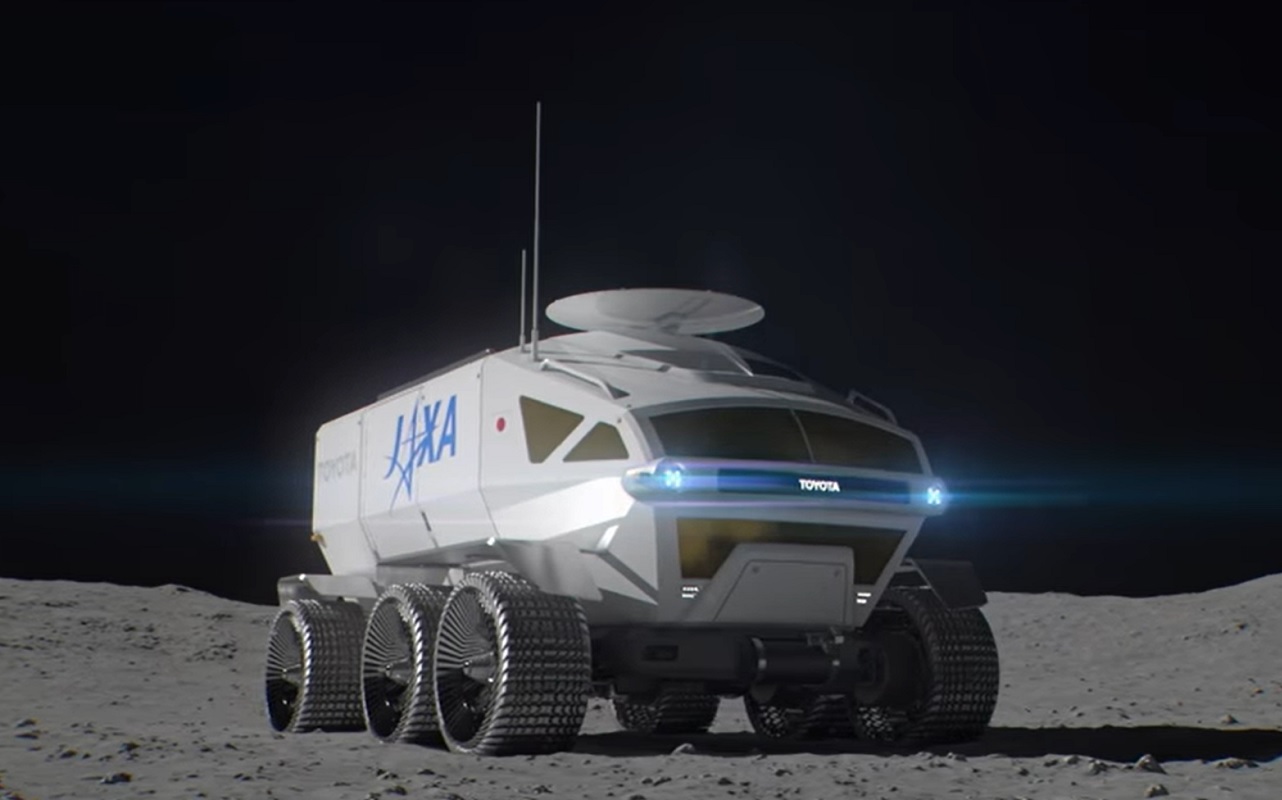
The company hopes to use the moon’s ice water in the future as an energy source.
Toyota Motor executives recently revealed that the automotive company intends to use regenerative fuel cell technology to power a manned lunar rover, which increases the possibility of eventually using ice water on the moon as a source of energy.Toyota’s goals is to put a manned lunar rover on the moon before the end of the decade.
Nicknamed the “Lunar Cruiser”, Toyota’s pressurized rover to be developed for the lunar polar exploration mission (LUPEX) is part of projects led by the Japan Aerospace Exploration Agency (JAXA). Toyota has been partnered with JAXA since 2019. The goal is to put the Lunar Cruiser powered by fuel cell technology on the moon in 2029. Toyota is also participating in NASA’s Artemis program, and as part of its participation intends to have an astronaut at the lunar space station, Gateway, during the later half of this decade.
According to Reuters, JAXA said in recent presentation materials that NASA expects Japan to provide a lunar rover a 2029 target launch date as part of its contribution to the Artemis program.
https://www.youtube.com/watch?v=VSO1Cat2wWo
Toyota is also participating in NASA’s Artemis program, and as part of its participation intends to have an astronaut at the lunar space station, Gateway, during the later half of this decade.
According to Reuters, JAXA said in recent presentation materials that NASA expects Japan to provide a lunar rover a 2029 target launch date as part of its contribution to the Artemis program.
https://www.youtube.com/watch?v=VSO1Cat2wWo
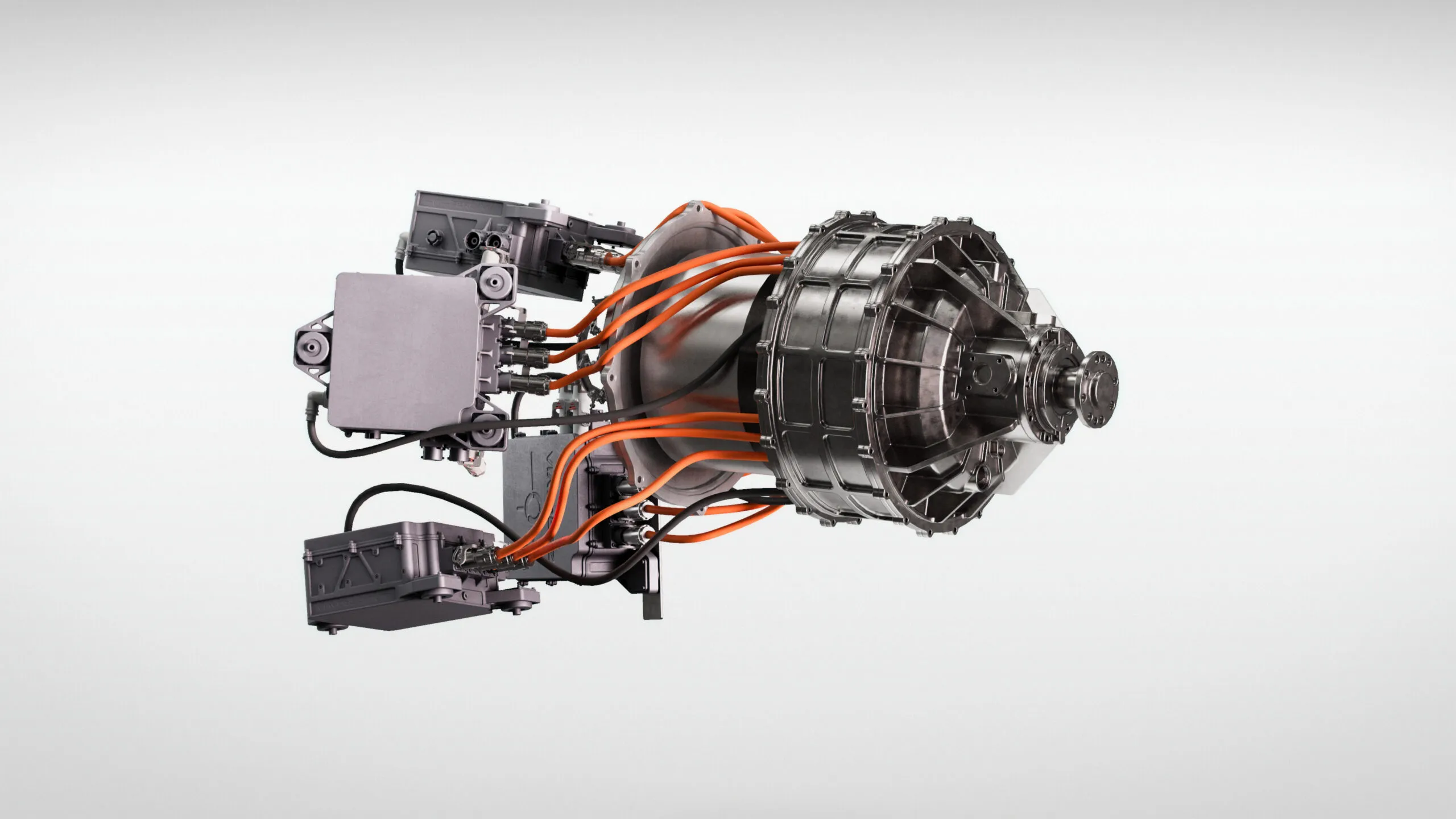
The rover’s regenerative fuel cell technology is capable of both generating and storing energy.
Regenerative fuel cell technology functions as a fuel cell, converting hydrogen and oxygen into electricity and water. It can also function as an electrolyzer that produces hydrogen and oxygen via the application of electrical energy. With its ability to function as both a fuel cell and an electrolyzer this enables the fuel cell to switch between generating energy and storing it.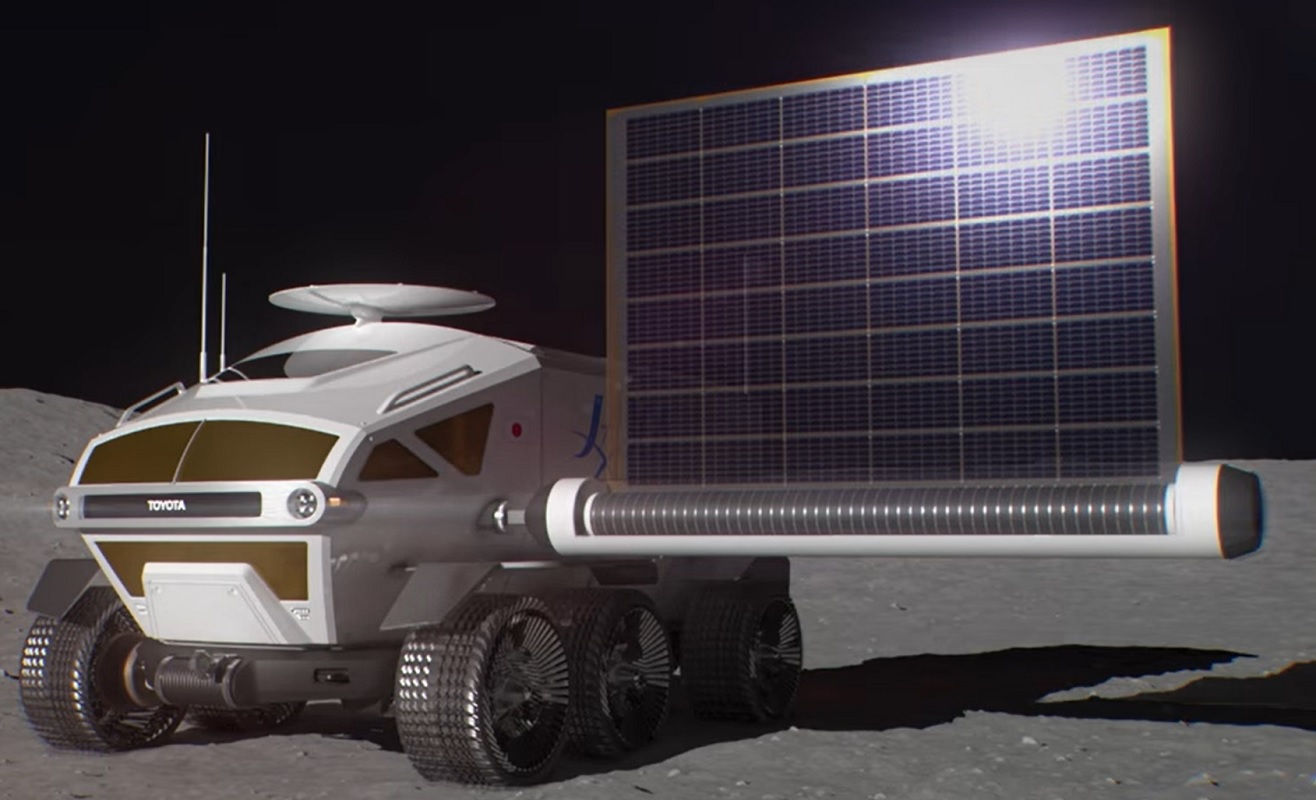 According to Toyota, its fuel cell tech will use solar energy and water to generate hydrogen and oxygen via electrolysis during daylight hours. During the night, the fuel cells will supply electricity.
Since a lunar night last for approximately 14 days, the lunar rover’s fuel cell technology would allow it to ride for many days, even when it is dark and temperatures are extremely cold.
According to Toyota, its fuel cell tech will use solar energy and water to generate hydrogen and oxygen via electrolysis during daylight hours. During the night, the fuel cells will supply electricity.
Since a lunar night last for approximately 14 days, the lunar rover’s fuel cell technology would allow it to ride for many days, even when it is dark and temperatures are extremely cold.
The water the fuel cells need will not come from the moon’s ice water.
“In order to conduct long-term and stable research on the surface of the moon, we are aiming to source various items on site over a long period,” said Ken Yamashita, Toyota’s head of lunar exploration projects, in the Reuters report. However, while it would be ideal to use the moon’s ice water to generate water that could be used for its fuel cell technology, Toytoa is not expecting this to be possible any time soon or of being capable of mining the water by itself. For now, the company will likely rely on other companies for future developments to obtain the water it needs, with Yamashita adding that at the start of operations the clean water will have to be sent to space with the rover. Toyota is hoping to secure an order for its fuel cell Lunar Cruiser by autumn 2024. The manned lunar rover is expected to carry two astronauts for 42 days a year on mission and remain in operation for at least 10 years.
FAQs about Toyota's Lunar Rover Project
Q1: What is Toyota's plan for using the moon's ice water in the future? Toyota intends to use regenerative fuel cell technology to power a manned lunar rover, which could potentially involve using ice water on the moon as a source of energy in the future. Q2: What is the timeline for Toyota's lunar project? Toyota aims to put a manned lunar rover on the moon before the end of the decade. The goal is to have the Lunar Cruiser, powered by fuel cell technology, on the moon in 2029. Q3: What is the Lunar Cruiser? The Lunar Cruiser is a pressurized rover being developed for the lunar polar exploration mission (LUPEX), a part of projects led by the Japan Aerospace Exploration Agency (JAXA). Toyota has been partnered with JAXA since 2019. Q4: How does the regenerative fuel cell technology work? Regenerative fuel cell technology functions as a fuel cell, converting hydrogen and oxygen into electricity and water. It can also function as an electrolyzer that produces hydrogen and oxygen via the application of electrical energy, enabling it to switch between generating and storing energy. Q5: Will the water for the fuel cells come from the moon’s ice water? While it would be ideal to use the moon’s ice water to generate water for its fuel cell technology, Toyota is not expecting this to be possible any time soon or capable of mining the water by itself. Initially, the clean water will have to be sent to space with the rover. Q6: What are the capabilities of the Lunar Cruiser? According to Toyota, the Lunar Cruiser is expected to carry two astronauts for 42 days a year on mission and remain in operation for at least 10 years. Q7: When does Toyota hope to secure an order for its Lunar Cruiser? Toyota is hoping to secure an order for its fuel cell Lunar Cruiser by autumn 2024. Q8: Is Toyota participating in any other space programs? Yes, Toyota is also participating in NASA’s Artemis program and intends to have an astronaut at the lunar space station, Gateway, during the later half of this decade. Ready to test your knowledge on the most abundant element in the universe? Take our fun and engaging Hydrogen Quiz now! [forminator_quiz id="58712"]How was this article?
Thanks for the feedback!