Hydrogen infrastructure
How Hydrogen Energy Can Overcome Renewable Energy's Greatest Obstacles
Hydrogen Energy - Bridging the Gap in Renewable Energy's Challenges As the world tries to solve with the urgent need to transition to more sustainable energy sources, renewable energy has surged to the forefront of this global endeavor. However, despite its undeniable potential to reduce carbon emissions and combat climate change, renewable energy faces significant challenges, including intermittency, storage, and integration into existing infrastructure. Enter hydrogen energy—a versatile and clean energy carrier that holds the promise of addressing some of the most pressing issues associated…
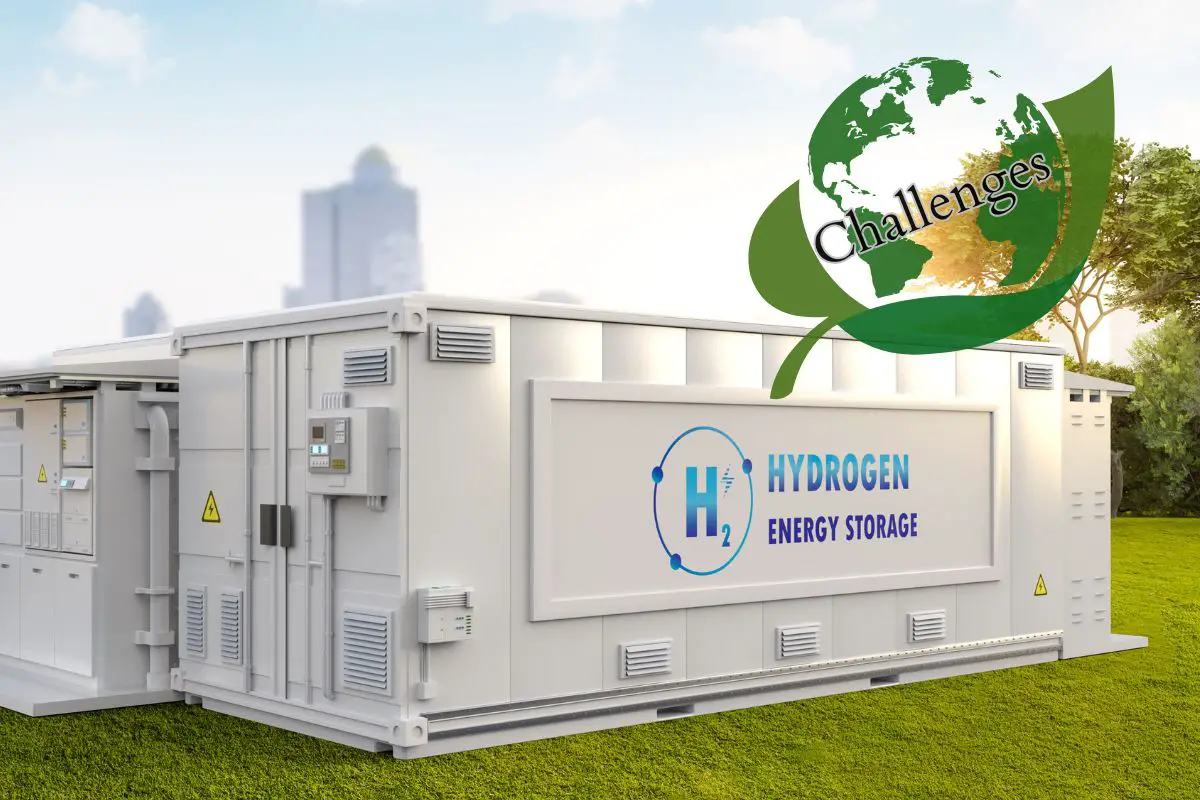
Hydrogen Energy - Bridging the Gap in Renewable Energy's Challenges
As the world tries to solve with the urgent need to transition to more sustainable energy sources, renewable energy has surged to the forefront of this global endeavor. However, despite its undeniable potential to reduce carbon emissions and combat climate change, renewable energy faces significant challenges, including intermittency, storage, and integration into existing infrastructure. Enter hydrogen energy—a versatile and clean energy carrier that holds the promise of addressing some of the most pressing issues associated with renewable energy.Tackling Intermittency and Reliability
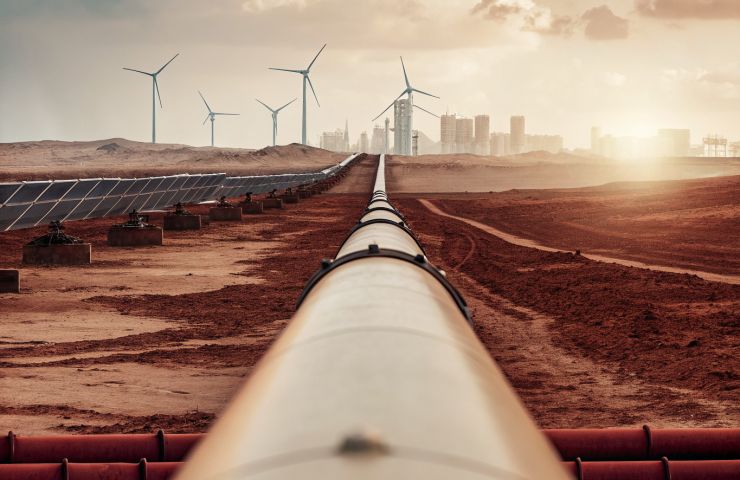
One of the most significant hurdles for renewable energy sources like solar and wind is their variability; they produce power only when the sun shines or the wind blows. This intermittency poses a challenge for ensuring a stable and reliable energy supply. Hydrogen energy can offer a solution by serving as a medium for storing excess renewable energy. Through a process called electrolysis, electricity generated from renewable sources can be used to split water into hydrogen and oxygen. The hydrogen can then be stored and later converted back into electricity through a fuel cell, providing a steady and on-demand energy supply even when the sun isn't shining or the wind isn't blowing.Enhancing Energy Storage Solutions
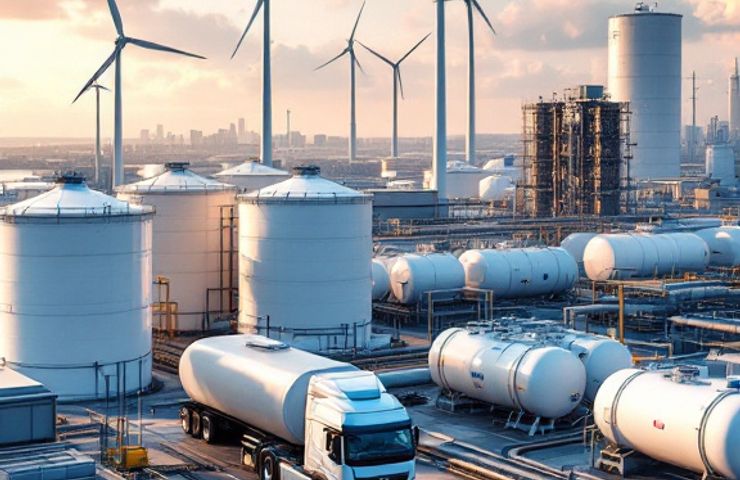
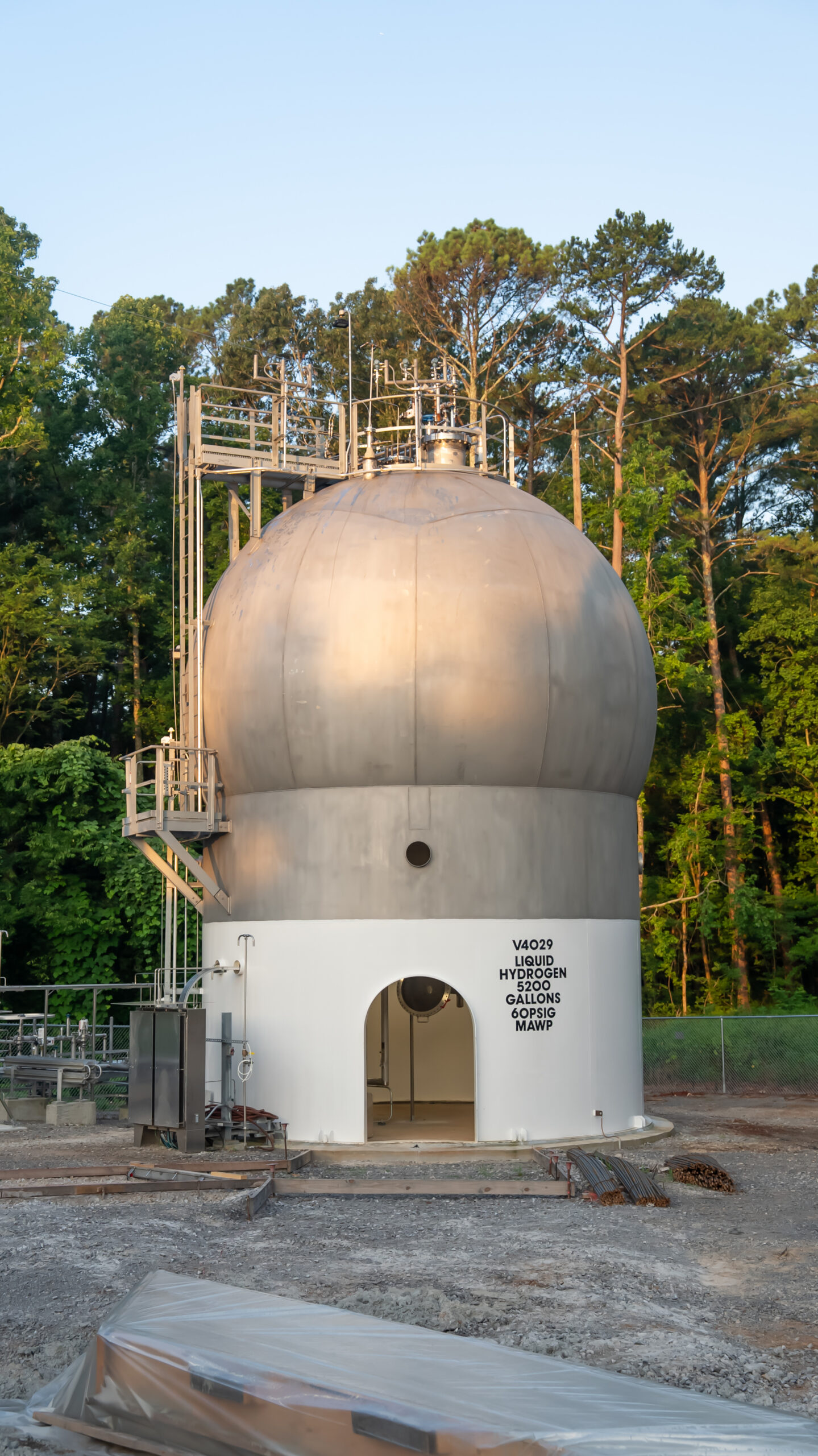
Current energy storage technologies, such as batteries, are limited in their capacity to store energy for long durations or at a large scale affordably. Hydrogen, on the other hand, can be stored in large quantities for extended periods, making it an ideal candidate for overcoming the storage limitations of renewables. This capability enables the creation of a more flexible and resilient energy system that can efficiently manage supply and demand, reducing the reliance on fossil fuels for baseload power.Main Points Where Hydrogen Excels over Batteries:
- Scalability and Duration of Storage
- Hydrogen can be stored in large quantities and for much longer periods without significant losses, ideal for seasonal storage.
- Batteries face challenges in scaling up for grid storage without high costs and are more suited for short-term storage.
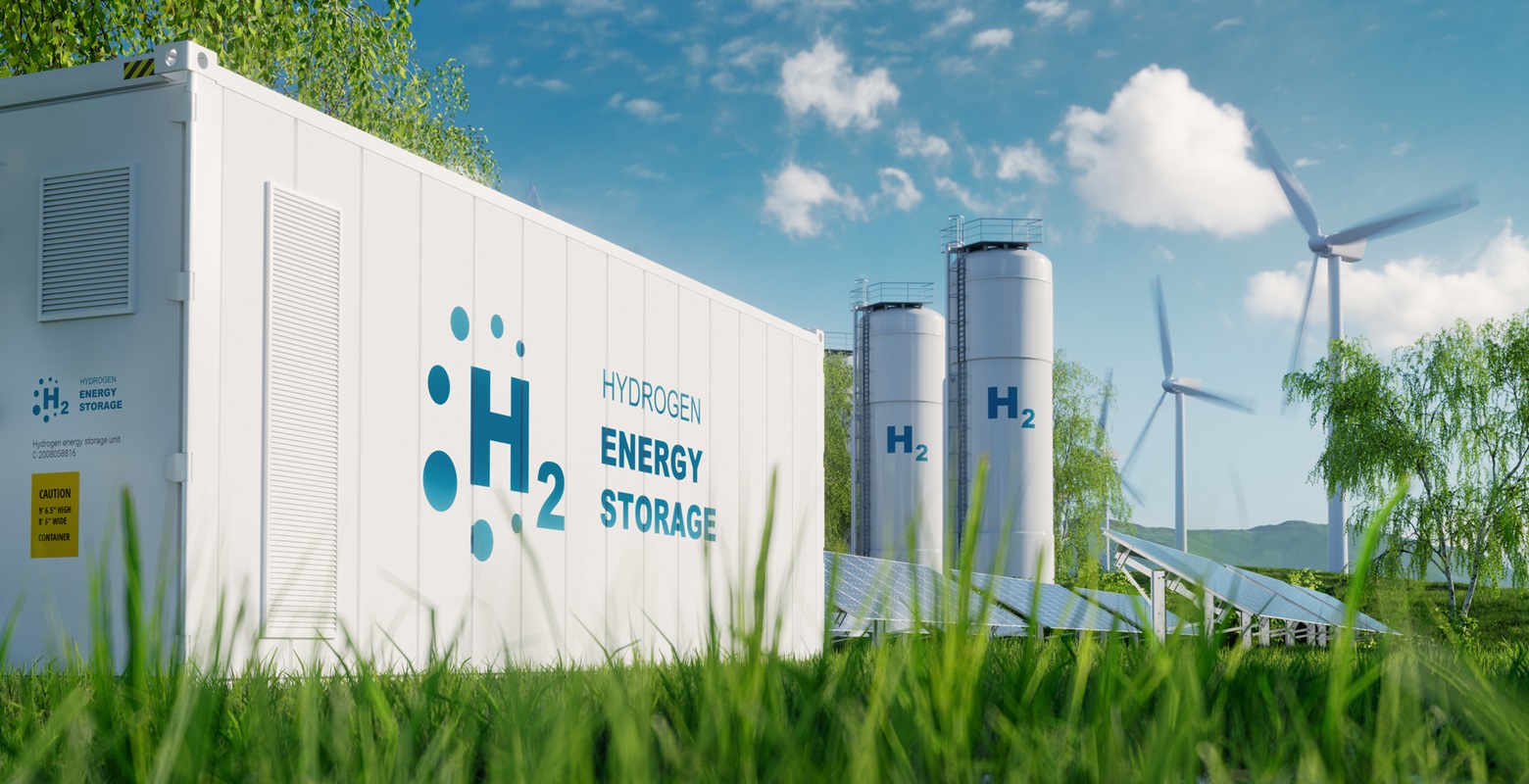 Credit: Photo by depositphotos.com[/caption]
- Environmental and Resource Concerns
- Battery production involves environmental degradation due to mineral extraction.
- Hydrogen, derived from water (even waste water), offers a sustainable option with minimal environmental impact.
- Energy Density
- Hydrogen has a higher energy density by weight than batteries, storing more energy in less space.
- This makes hydrogen suitable for applications requiring high energy input, unlike batteries which are limited by space and weight constraints.
- Lifecycle and Recyclability
- Batteries have complex chemistries that complicate recycling and pose environmental risks at end-of-life.
- Hydrogen fuel cells produce only water as a by-product, promoting a clean cycle and reducing waste.
- Flexibility and Versatility
- Beyond energy storage, hydrogen can be directly used as a fuel for transport, industrial processes, and heating.
- Batteries are primarily used for electricity storage and supply, limiting their utility across sectors.
Facilitating Grid Integration
Integrating renewable energy sources into the existing grid infrastructure is a complex challenge due to their decentralized and variable nature. Hydrogen can play a pivotal role in this integration process. By converting renewable energy into hydrogen, it can be transported and used where and when it's needed, effectively decoupling production from consumption. This flexibility facilitates the incorporation of renewables into the energy mix, helping to smooth out the variability and enhance the overall stability of the energy grid.Addressing Geographic Limitations
The potential for generating renewable energy varies significantly across different regions, which can limit its adoption in areas with less favorable conditions. Hydrogen energy can help mitigate these geographical constraints by enabling the long-distance transport of green energy. Renewable energy produced in areas with abundant sunlight or wind can be converted into hydrogen, transported, and then used in regions with less renewable potential, thus democratizing access to clean energy.The Road Ahead
While hydrogen energy offers a compelling solution to several challenges facing renewable energy, it is not without its own set of hurdles. These include the need for substantial investments in infrastructure, advancements in electrolysis and fuel cell technologies to improve efficiency and reduce costs, and ensuring that hydrogen production is itself sustainable and does not rely on fossil fuels. Furthermore, Government support for hydrogen energy is unfolding on a grand scale, highlighted by significant initiatives in the United States and Germany. In the U.S., the Inflation Reduction Act (IRA) marks a groundbreaking move, offering robust tax incentives and funding aimed at accelerating the clean hydrogen sector. This legislation is a cornerstone in the country's strategy to lower hydrogen production costs and stimulate investment in sustainable technologies. Across the Atlantic, Germany has committed an impressive 20 billion euros to develop extensive hydrogen infrastructure, known as hydrogen valleys, across the nation. These measures by the US and Germany exemplify the critical role of government support in fostering the necessary regulatory, financial, and research frameworks to propel hydrogen energy forward, demonstrating a unified commitment to a cleaner, hydrogen-powered future. In conclusion, hydrogen energy represents a transformative opportunity to enhance the viability and effectiveness of renewable energy. By addressing key issues such as intermittency, storage, and grid integration, hydrogen can play a crucial role in accelerating the transition to a more sustainable and resilient energy system. As we move forward, the synergy between renewable energy and hydrogen could be the key to unlocking a cleaner, greener future. Ready to test your knowledge on the most abundant element in the universe? Take our fun and engaging Hydrogen Quiz now! [forminator_quiz id="58712"]How was this article?
Thanks for the feedback!