Hydrogen news
US to limit hydrogen blending in natural gas pipelines due to leak risk
As H2 boosts the chances of pipeline leakage, it will hold back the ability to use existing pipelines. Hydrogen blending in existing pipelines used for natural gas transmission could be limited due to the tendency H2 has to increase the risk of leakage from those pipelines, according to research results released by the Argonne National Laboratory. The research was based on combining 30 percent H2 by volume into natural gas pipelines. The federally funded multidisciplinary science and engineering research center in Lemont, Illinois investigated hydrogen blending at 30 percent by volume into ex…

As H2 boosts the chances of pipeline leakage, it will hold back the ability to use existing pipelines.
Hydrogen blending in existing pipelines used for natural gas transmission could be limited due to the tendency H2 has to increase the risk of leakage from those pipelines, according to research results released by the Argonne National Laboratory.The research was based on combining 30 percent H2 by volume into natural gas pipelines.
The federally funded multidisciplinary science and engineering research center in Lemont, Illinois investigated hydrogen blending at 30 percent by volume into existing natural gas pipelines. What they found was that it led to a relatively mild 6 percent reduction in lifecycle greenhouse gas emissions. Of that estimate from the Argonne National Laboratory, one substantial factor was in its discovery that at the 30 percent level of H2 in natural gas, leakage from transmission lines can double. Previous estimates of lifecycle benefits of mixing gases in existing pipelines were mainly based on their reduced emissions associated with H2 production and end-use combustion combined. However, with higher transmission and distribution emissions when injecting the H2 into pipelines, the final figure was altered. This was compounded by increased energy demand in compressor stations. The result was that the upstream and downstream benefits of using the zero-emission fuel were greatly reduced.Compression and leakage played a notable role in changing the decarbonization benefits of hydrogen blending.
“This is largely because I am replacing a fossil molecule with a green molecule, but much of that is offset with the compression footprint and also the leakage,” explained Argonne senior scientist and distinguished fellow Amgad Elgowainy at a webinar held on October 26 hosted by the US Energy Department.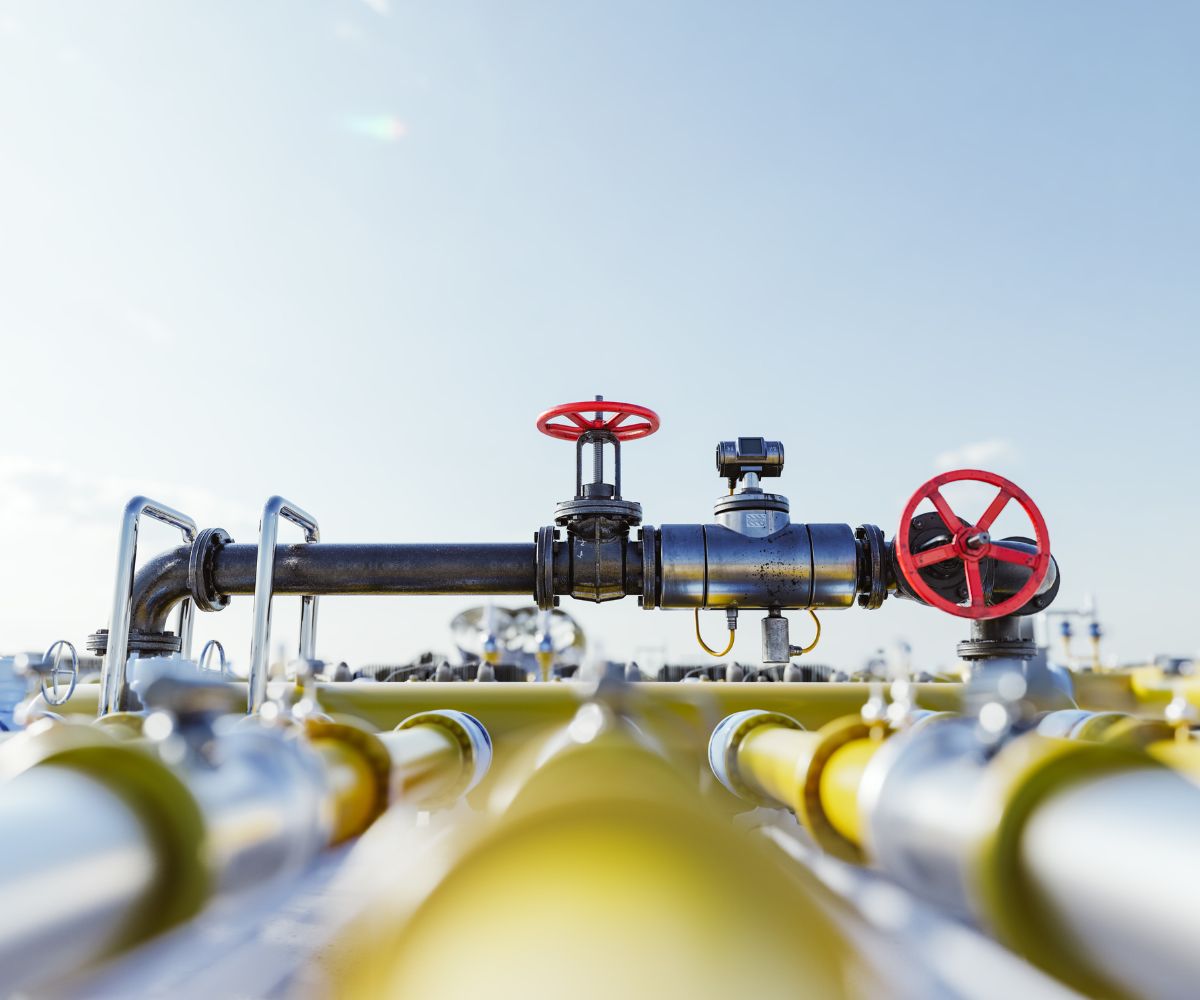 The purpose of the webinar was to underscore the findings of the HyBlend initiative’s first phase. That initiative’s goal is to eliminate H2 transportation barriers in gas pipelines.
An increased risk of pipeline leakage
When the 30 percent hydrogen blending was introduced into the gas transmission lines, the pipelines and the flow rate were essentially unaltered, said Elgowainy. That said, it was pointed out that if the operator were to boost the flow rate for the delivery of the same amount of energy as a pure natural gas system, the 30 percent H2 blend would raise emissions during transmission by 100 percent.
Overcoming Challenges and Implementing Solutions for Hydrogen Blending in Natural Gas Pipelines
In conclusion, while hydrogen blending in natural gas pipelines presents challenges such as increased risk of leakage and changes in Maximum Allowable Operating Pressure (MAOP), the National Renewable Energy Laboratory (NREL) has identified feasible solutions. These include replacing segments of pipelines insufficient for transporting hydrogen with ones of appropriate material and thickness, pipeline looping, and adding compressor stations. Even though these approaches might increase capital and operational costs, NREL's case study reveals that pipeline looping is the most cost-effective strategy. Interestingly, the overall impact of these modifications on the delivered cost of energy was found to be minimal, an unexpected but encouraging outcome. These findings suggest that despite the barriers, there are viable strategies to effectively integrate hydrogen into our existing energy infrastructure without substantially increasing the cost of energy delivery. Ready to test your knowledge on the most abundant element in the universe? Take our fun and engaging Hydrogen Quiz now! [forminator_quiz id="58712"]How was this article?
Thanks for the feedback!