Hydrogen Production Milestone: Plug Power Delivers 10MW Electrolyzer to Galp's Sines Refinery
Plug Power delivered its first 10 MW PEM electrolyzer to Galp's Sines Refinery on 15 September 2025, kicking off a 100 MW green hydrogen build-out backed by a €430 million EIB loan. When complete in mid-2026, the site will produce 15,000 tons of renewable hydrogen annually, cut 110,000 tons of CO₂, and feed Galp’s new HVO/SAF biofuels unit.
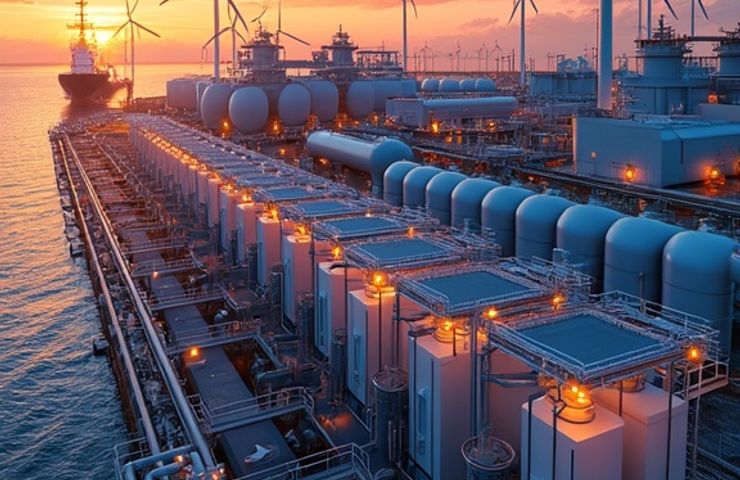
Plug Power’s 10MW PEM Electrolyzer Lands in Sines
When Europe wanted a concrete example that hydrogen production could really ramp up in heavy industry, the first 10 MW electrolyzer from Plug Power rolled into Galp Energia’s site in Sines. On September 15, 2025, that modular unit arrived at Portugal’s old-school oil hub, kicking off a plan to scale green hydrogen to 100 MW. It’s the first of several modules set to roll out soon.
A Refined Vision for Sines
Once just a busy oil and gas port, Sines is shedding its old image and stepping into the clean-energy scene. This project sits right at the heart of that shift, retrofitting a refinery with state-of-the-art electrolysis gear and hooking up renewable power to traditional fuel processes. The port’s old docks are getting a green makeover.
Core Project Snapshot
- Location: Galp’s Sines Refinery, Alentejo, Portugal
- Technology: 10 MW Proton Exchange Membrane (PEM) electrolyzer, part of Plug Power’s GenEco platform
- Scale: Aiming for 100 MW total capacity by mid-2026
- Output: Up to 15,000 tons of renewable hydrogen a year
- Emission Reduction: Slashes about 110,000 tons of CO₂-equivalent annually, cutting grey hydrogen use by 20%
- Financing: €430 million loan from the European Investment Bank (EIB)
- Ownership: 75% Galp, 25% Mitsui & Co.
- Synergies: Feeds Galp’s new hydrogenated vegetable oil (HVO) and sustainable aviation fuel (SAF) units
- Status: Europe’s biggest PEM electrolyzer project currently underway
Why This Matters
Switching out fossil-based hydrogen—mostly made from natural gas—for green alternatives is a huge win for industrial decarbonization. The Sines plant turns renewable electricity into feedstock for both refining and biofuel creation, showcasing a circular model where hydrogen not only cuts emissions but also upgrades waste oils into cleaner fuels. And if Sines nails this, others will likely follow.
Europe’s Hydrogen Ambitions
Thanks to the EU’s REPowerEU and Fit for 55 packages, Brussels wants at least 50 GW of electrolyzer capacity by 2030. The Sines project alone knocks off around 1% of that goal, proving how big rollouts can shrink costs through economies of scale and honed supply chains. As more modular units flip the switch, electrolysis gets cheaper, pushing Europe closer to a hydrogen-powered industrial base. It’s a clear signal that Europe’s serious about clean energy.
Strategic Collaborations & Financing
That €430 million from the EIB highlights how public funding bridges the gap for big-ticket green hydrogen projects. By backing long-term loans, the EIB eases the risk for private investors. Teaming up Galp with Japan’s Mitsui & Co. brings global trading savvy and wider offtake channels, while Plug Power’s GenEco platform—built for plug-and-play scaling—makes on-site setup and upkeep a breeze. This public-private mix also helps ease sticker shock.
Technology in Focus: PEM Electrolyzers
Proton Exchange Membrane electrolyzers use a solid polymer electrolyte to split water into hydrogen and oxygen. They can ramp up or down fast, which is perfect for pairing with intermittent renewables like wind and solar. Plug Power’s GenEco units arrive containerized and factory-tested, flexing to match your power supply and production schedule. They’re also easy to upgrade as new tech arrives.
Regional Impact and Jobs
For Alentejo, the Sines makeover is more than a green headline—it’s a jobs booster. From assembly to installation to day-to-day operations, the project is calling in engineers, technicians and construction crews. Local businesses from steel to cafes are buzzing with work.
Opportunities and Challenges Ahead
Of course, every pioneering project faces its share of hurdles. Here’s what they’re watching closely:
- Renewable Power Availability: Locking in long-term power purchase agreements is key to snagging cheap electricity.
- Grid Capacity: Upgrades might be needed to handle those hefty multi-MW draws when electrolyzers fire up.
- Supply Chain Coordination: You’ve got to sync deliveries, civil works and electrical hookups across all those modular units.
Biofuels Integration
Sines isn’t just about powering refinery boilers—it’s also the hydrogen engine behind a shiny new HVO plant that turns used cooking oils and fats into renewable diesel and aviation fuel. By mixing electrolysis-based green hydrogen with hydrogenation, Galp’s circular model helps:
- Cut feedstock imports by turning local waste oils into fuel.
- Slash lifecycle emissions versus fossil diesel and jet fuel.
- Meet the EU’s Renewable Energy Directive II requirements for transport fuels.
It’s smart value capture from waste.
Historical Roots, Future Path
For decades, Sines was synonymous with crude oil shipments, converting raw hydrocarbons into fuels that kept Europe on the move. Now, those same tanks and pipelines are being rewired to carry molecules born from water and clean electrons. It proves we can repurpose what’s already here.
Policy and Market Outlook
EU member states, under REPowerEU and Fit for 55, have committed to scaling up hydrogen infrastructure—import terminals, storage caverns and distribution networks. Projects like Sines do more than just install electrolyzers; they kickstart grid upgrades, pipeline repurposing and port-to-ship hydrogen supply chains. Collaboration and shared standards will make life easier for everyone.
Export Potential
Portugal’s sun and wind make it one of Europe’s renewable champions. Sines’ Atlantic location turns it into a natural export hub. Future phases could include hydrogen liquefaction or ammonia synthesis, opening lanes to Spain, Morocco and beyond. With demand rising, Sines has a head start.
Scaling Beyond Sines
If Sines proves it can turn a profit, this blueprint could spread to other legacy refineries across Southern Europe—places like Cartagena in Spain, Porto Marghera in Italy or Aspropyrgos in Greece. Each has port access and industrial zoning, making modular electrolyzer rollouts an attractive option. It’s a shortcut that cuts years off greenfield timelines.
Looking Forward
With that first 10 MW unit in place, Galp is on track to wrap up the rest by summer 2026. When everything’s up and running, the site will cover about a fifth of its hydrogen needs with green supply and power its new HVO/SAF plant set to launch in 2026. It’s now about fine-tuning operations and tracking savings.
Final Thought
Dropping a 10 MW PEM electrolyzer into Sines might seem like a small step, but it’s a concrete move toward a zero-emission industrial future. As Europe races to hit its 2030 and 2050 climate goals, projects like this show how hydrogen infrastructure can weave into existing assets. Stay tuned—the results could reshape our energy map.