Solaris Launches Hydrogen Bus Initiative in Béziers Méditerranée
Solaris Bus & Coach has delivered 13 hydrogen buses to Béziers Méditerranée, marking a step towards sustainable urban transport.
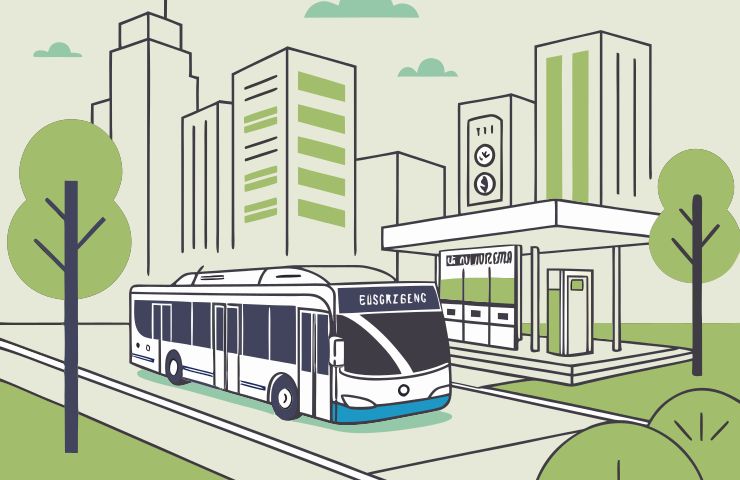
Solaris Bus & Coach has delivered 13 of its Urbino 12 hydrogen buses to the Béziers Méditerranée Agglomeration Community in southern France, marking the company's first entry into this market. The vehicles arrive as a clear addition to a local fleet in transition. This deployment forms part of the region's ambition to bolster its hydrogen mobility ecosystem, and it is being watched by operators and policymakers interested in alternatives to fossil-fuelled urban transit.
Procured through UGAP, the central public procurement body in France, these buses are set to operate on the beeMob public transport network. The procurement route keeps the transaction within national public purchasing channels. At the same time, it advances local fleet renewal efforts and inserts hydrogen into daily passenger services across the Béziers area, which has a population of around 135,000. For residents and commuters, the change will be visible not only in new vehicles but in a refuelling and maintenance routine that differs from diesel and battery-electric options.
The Solaris Urbino 12 is designed as a 12-metre hydrogen fuel-cell electric bus. Powered by hydrogen, it produces zero direct tailpipe emissions during operation. Its layout pairs a fuel cell system with on-board energy storage and an electric drivetrain. The vehicle employs a fuel cell system that converts hydrogen to electricity, which drives an electric motor, allowing the bus to meet the demanding requirements of urban transit without contributing to local pollution. Operators will test the buses across typical urban duty cycles to gauge real-world range, performance and serviceability under city conditions.
Infrastructure Support and Capacity
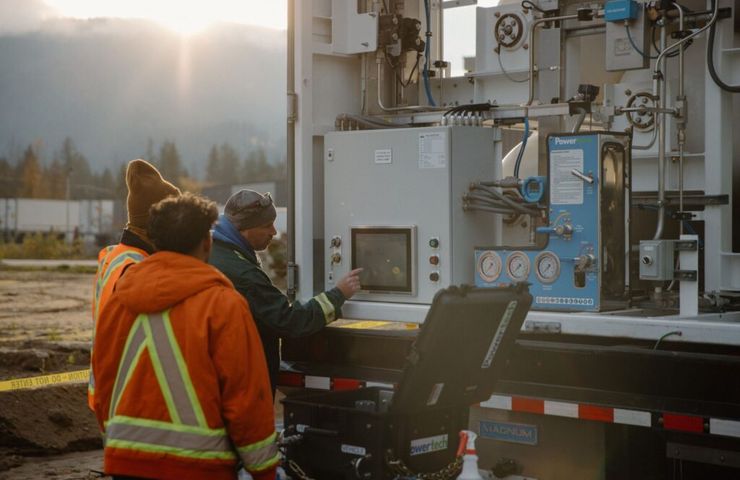
Central to this deployment is the associated hydrogen refuelling infrastructure provided by Qair. A refuelling station in the Méridienne economic activity zone supports the new fleet. The station has the capacity to distribute up to 600 kilograms of renewable hydrogen daily, facilitating quick refuelling times for the fleet and enabling multiple rotations during operating hours. This refuelling station is part of the Hyd’Occ project, which aims to support the regional shift towards renewable hydrogen and bolster the local economy. In practice, the station’s daily capacity and the buses’ scheduled runs will determine how the fleet is deployed and how many vehicles can be kept in service without interruption.
Economic and Strategic Implications
This initiative carries significant implications for both the hydrogen and public transport sectors. By leveraging hydrogen technology, Béziers signals a robust commitment to sustainable transport, potentially setting a precedent for other municipalities in France and beyond. The visible introduction of hydrogen buses into routine service influences procurement conversations and urban planning decisions. It also provides operators with practical data on operating costs, vehicle uptime and depot requirements that were previously available only in pilot projects or limited demonstrations.
The integration of hydrogen fuel-cell technology into public transport systems represents a strategic alignment with France's national and European Union hydrogen strategies, which encourage the use of green hydrogen in transportation. Moreover, developments like these key into broader trends where declining costs of renewable hydrogen production are making it increasingly competitive with traditional fossil fuels. While the project does not establish a universal case for hydrogen over alternatives, it increases public visibility of hydrogen's potential as a solution for heavy mobility. Although the project doesn't prove hydrogen's supremacy over battery electric buses, it provides a practical example of how fuel-cell buses can be integrated at a municipal scale.
Assessing the Broader Context
Historically, hydrogen fuel cell buses have undergone various levels of assessment in Europe, with projects transitioning from pilot phases to commercial applications. France's commitment to developing hydrogen mobility ecosystems, spurred by national plans and European clean vehicle directives, supports this momentum. The Béziers deployment adds to a growing set of case studies that span short-term trials and longer-term commercial rollouts, offering comparative evidence across different operational environments and procurement frameworks.
However, careful monitoring of the operational performance of this initiative is warranted. As reported, the hydrogen buses' efficiency, lifecycle emissions, operational costs, and refuelling reliability will be critical metrics to evaluate its long-term viability. Fleet managers and public officials will need consistent data on energy consumption per kilometre, vehicle availability, maintenance intervals and total cost of ownership to judge whether hydrogen meets local policy goals and budget constraints. Without substantiated evidence regarding these factors, it is premature to declare hydrogen fuel cells as unequivocally more efficient than their battery-electric counterparts. The comparative assessment will depend on route profiles, depot configurations, hydrogen supply costs and the evolution of both fuel-cell and battery technologies.
Conclusion
As we look forward, the successful integration of these hydrogen buses into the Béziers transport network could pave the way for broader adoption of fuel-cell technology in urban transit. The project stands to become a benchmark for future endeavors as municipalities seek sustainable solutions to meet their transport needs while addressing climate goals. For now, Béziers offers a live demonstration: new vehicles, a dedicated refuelling station and a framework for measuring performance over time. The outcomes will inform whether similar deployments follow, and under what operational and economic conditions they are scaled up.