Revolutionizing Steel Production: China's First National Standard for Hydrogen-Based Ironmaking
China's newly published national standard GB/T 48426-2026 for hydrogen-based direct-reduction iron-making could change the steel industry forever. Supported by key players like HBIS Group, this standard aims to revolutionize iron production by significantly reducing emissions and improving sustainability.
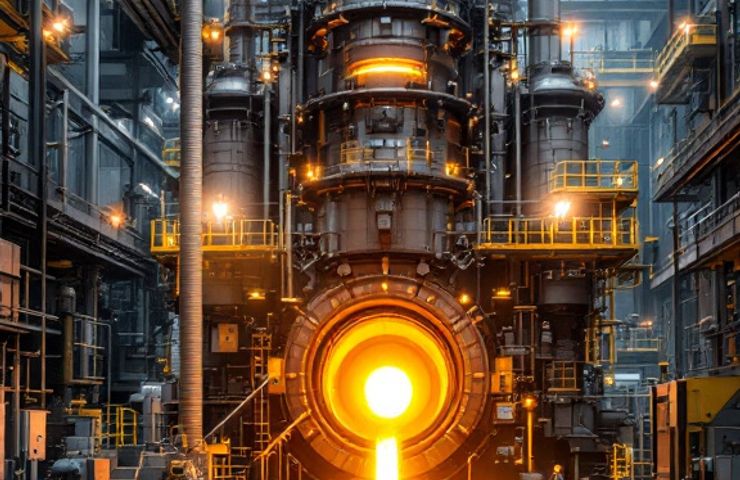
China has published GB/T 48426-2026, the Technical Specification for Direct Reduction Iron-Making in Hydrogen-Based Shaft Furnace, a national standard focused specifically on hydrogen-based direct-reduction iron production. It is the first national standard of its kind, and its release marks a clear inflection point for an industry seeking ways to curb its carbon footprint.
What changes with this specification? Historically, ironmaking has depended on coal and coke—inputs that drive large volumes of greenhouse gas emissions. The new standard sets out a route that leans on hydrogen rather than carbon-based reductants. In practice, it lays out parameters for producing direct-reduced iron in a vertical shaft furnace using hydrogen-rich gases, potentially cutting the carbon output associated with conventional routes.
The Game-Changer: Hydrogen-Based Direct Reduction
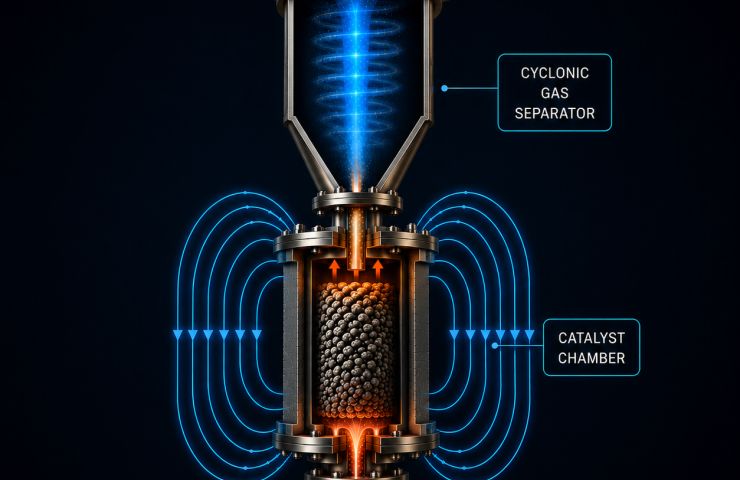
At the heart of the specification is a simple technical pivot: use hydrogen to reduce iron oxide. Where traditional plants use carbon monoxide or other carbon-based reducing agents, hydrogen substitutes in and yields primarily water vapor instead of carbon dioxide. That chemical swap alters the emissions profile of the process and opens a path to substantially lower-carbon ironmaking.
Beyond the chemistry, GB/T 48426-2026 frames practical requirements and expectations for the technology. It is recorded for implementation in May 2027 and offers a common technical baseline for companies across the steel sector. The standard touches on safety protocols, environmental management and elements of operational performance, giving manufacturers and operators a shared reference point. It has the backing of the China Iron and Steel Association and lists active participation from industry players including HBIS Group Co., Ltd. and Hebei Zhangxuan High-Tech Co., Ltd., signalling broad institutional support.
Bringing It to Life: Real-World Applications
There are already projects that mirror the concepts in the standard. In Hebei Province, the HBIS Zhangxuan hydrogen-metallurgy project is an early example. The pilot uses hydrogen-rich coke-oven gas to run a trial of hydrogen direct reduction and has produced its first direct-reduced iron products. That initial output demonstrates the approach can move from laboratory concept to industrial process under real operating conditions.
Practical demonstrations such as the HBIS Zhangxuan project matter because they translate technical guidance into measurable practice. They show how existing feedstocks and plant configurations can be adapted to hydrogen-rich reducing gases and provide operating data that others in the sector can examine. In that sense, the project acts as a template: it confirms feasibility while also exposing the implementation steps other firms will face.
Strategic Forces Behind the Advancement
The standard arrives against a backdrop of national climate targets. The government has set goals to peak carbon emissions before 2030 and to achieve carbon neutrality by 2060, and GB/T 48426-2026 fits within that trajectory. By establishing normative technical requirements, the specification gives policymakers, investors and plant operators clearer signals about which technologies will be regarded as compliant and supported going forward.
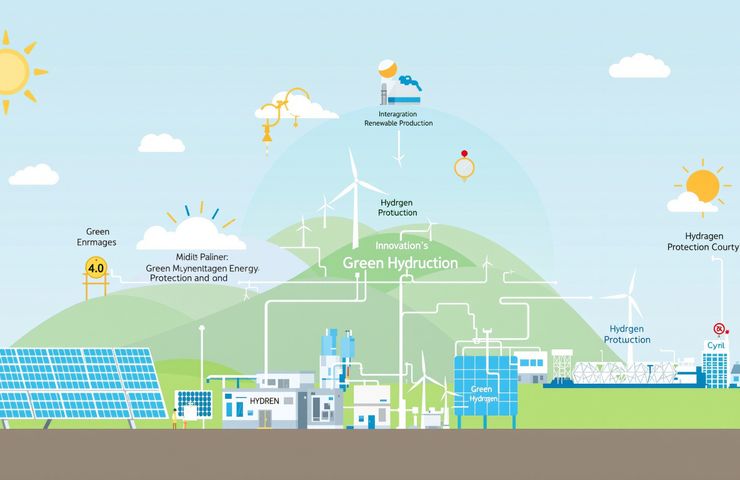
That clarity extends down the industrial chain. Engineering firms, equipment suppliers and material vendors can now align designs and investments with a standardized approach to hydrogen reduction. The standard also encourages coordinated planning for upstream hydrogen production, hydrogen storage and the associated infrastructure that plants will require to operate at scale.
Research partnerships strengthen the initiative. Collaboration with institutes such as the China National Engineering Research Institute for Iron and Steel Industry (CERI) provides technical validation and helps ensure that methods developed under the standard meet operational and environmental benchmarks set out in the specification. Such linkages between industry and research bodies can accelerate iteration and reduce technical uncertainty for early adopters.
Where This Is Headed: The Future of Ironmaking
GB/T 48426-2026 has the potential to shift industrial practice rather than merely tweak it. By offering a clear standard for hydrogen-based shaft-furnace reduction, it redefines what constitutes acceptable technology for lower-carbon iron production. Steelmakers, investors and regulators now have a roadmap to evaluate projects, allocate capital and set permitting expectations against an explicit technical reference.
However, the specification does not eliminate challenges. The economics of hydrogen production remain a central question. So does access to reliable, low-carbon electricity to produce green hydrogen at scale. Equally important are practical matters of hydrogen storage and how facilities will integrate storage solutions with continuous industrial operations. These uncertainties—around cost, power availability and storage feasibility—will shape how widely and how quickly the standard is adopted.
Adoption will also hinge on coordination across sectors: producers of hydrogen, developers of electrolyser and storage technology, steelmakers willing to retool plants, and investors prepared to back long-term infrastructure. The standard provides the technical scaffolding, but implementation requires an ecosystem response that spans policy, finance and engineering.
Ultimately, GB/T 48426-2026 asks an industry and a country to consider a different trajectory for a foundational material. With appropriate support and collaboration, the standard could help China meet its national climate targets and offer a model that others examine. Whether it becomes a widespread practice will depend on how the trade-offs—technical, economic and logistical—are managed in the years ahead.
This is not merely an incremental update to existing practice; it signals a substantive reorientation of ironmaking toward hydrogen-based methods. Implementation begins with the standard, and how the sector responds will determine whether the change remains aspirational or becomes the new norm.