Air Liquide and Hyundai Expand Global Ecosystem
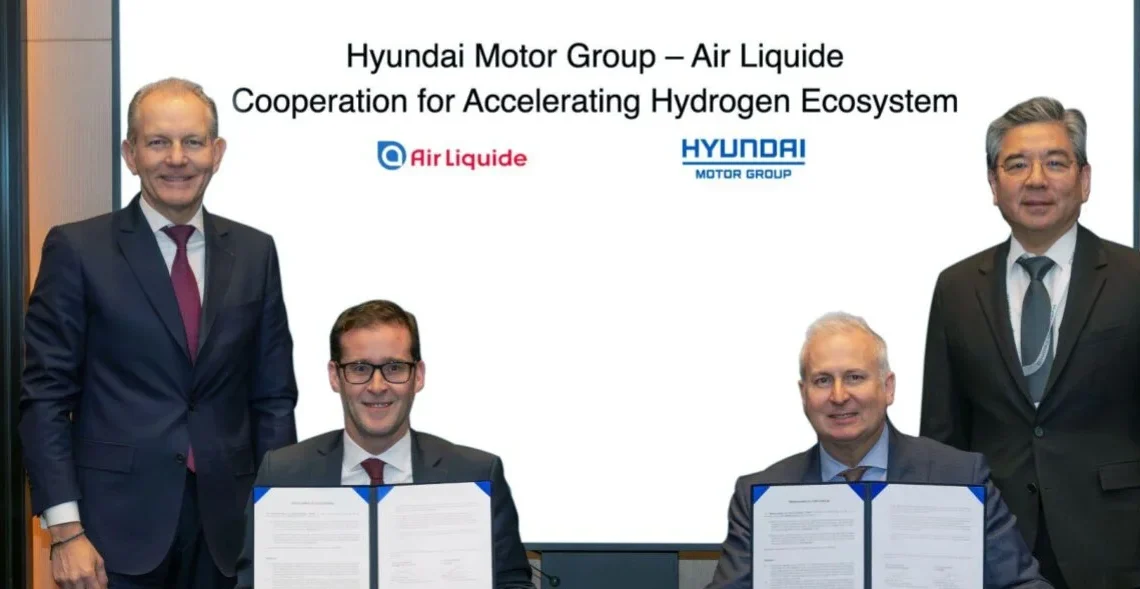
December 8, 2025On December , 2025, at the Hydrogen Council CEO Summit in Seoul, Hyundai Motor Group and Air Liquide sealed the deal on a refreshed strategic partnership. They inked a brand-new MoU to craft a full-blown hydrogen ecosystem stretching across Europe, South Korea, and the U.S.
This isn’t a small-scale demo or cheesy proof-of-concept. We’re talking a multi-year play to crank up production, storage, distribution, and real-world uptake. Picture clean energy plugging straight into heavy freight, your local transit fleet, and industrial processes—without breaking a sweat.
Here’s the kicker
Right now, cars, trucks, and factories pump out gigatons of CO₂. Sure, batteries chip in, but range anxiety and marathon charging sessions still hold them back—especially for big rigs. That’s where fuel cell electric vehicles flex their muscles, generating electricity on board by combining hydrogen and oxygen and spitting out only water vapor.
Hyundai isn’t new to this game—it already has over 2,000 hydrogen buses and 37,000 passenger FCEVs cruising daily in South Korea. And Air Liquide counters with a full-on hydrogen infrastructure: production plants, pipelines, storage hubs, and tanker fleets fueling industries across Europe. Together, they’re mending the seams in the hydrogen economy to help clean energy scale faster than ever.
Don’t forget the tailwinds: the EU’s hydrogen strategy, U.S. tax perks from the Inflation Reduction Act, and South Korea’s national roadmap. Investors are already sniffing out a multibillion-dollar uptick, and as electrolyzers ramp up, green hydrogen costs are set to tumble. Now’s the moment to jump on board.
The magic ingredient?
It’s all about that end-to-end approach:
- Clean Production: Solar- and wind-powered electrolysis, plus steam methane reforming with carbon capture, so hydrogen comes off the line with minimal carbon footprint.
- Advanced Refueling: A 450-bar Filling Center in Daesan, South Korea, crams hydrogen up to 6,500 PSI—enough to top off heavy trucks and buses in under 10 minutes.
- Robust Distribution: High-pressure pipelines and mobile tube trailers that bridge the gap from plant to pump.
- Proven Vehicles: From Hyundai’s Nexo SUVs to its next-gen fuel cell trucks and buses, you’re looking at 300–500 km ranges with fill-ups quicker than your coffee break.
- Next-Gen R&D: At Air Liquide’s Paris Innovation Campus, teams are cooking up more efficient electrolyzers, tougher fuel cell membranes, and advanced storage materials—all aiming to drive costs down.
On the ground: Daesan takes the lead
Nestled in one of South Korea’s petrochemical hotspots, the Daesan 450-bar Filling Center is this partnership’s shining star. It taps into Air Liquide pipelines and local storage tanks, then cranks up hydrogen to the high pressures big vehicles demand—all while showing off real-world best practices.
Local fleets have topped up hundreds of times with zero glitches, proving high-pressure hydrogen refueling can be safe, smooth, and downright user-friendly. Consider this station the template for rollouts in Europe and North America.
Rollout-ready in three powerhouse markets
Why Europe, South Korea, and the U.S.? Because they’re already on the move:
- South Korea: A trailblazer in hydrogen commercialization, doling out generous subsidies for stations and FCEVs under its 2050 carbon-neutral plan.
- Europe: The EU Green Deal and emerging cross-border hydrogen corridors are pouring cash into hydrogen infrastructure and industrial partnerships.
- United States: The Inflation Reduction Act offers juicy tax credits for hydrogen projects, topped off by state-level incentives that mean fresh capital for new stations and fleets.
By tackling these three markets side by side, Hyundai and Air Liquide are drafting a playbook anyone can replicate worldwide. They’ve also vowed to ramp up FCEV and bus deployments through 2026, with exact targets rolling out soon. Spoiler: they’re all throttle, no brake.
Strategic fuel for tough sectors
Battery-electric tech shines for everyday cars, but when you’re hauling big loads or moving nonstop, hydrogen’s the go-to:
- Long-Haul Freight: Trucks that demand quick refueling and serious range—exactly what hydrogen delivers.
- Port and Terminal Gear: Forklifts, yard tractors, dock cranes—these can switch from diesel to hydrogen and keep running with minimal downtime.
- City Buses: Hyundai’s hydrogen buses are already clocking thousands of kilometers monthly, slashing diesel use and cleaning up urban air.
These are some of the highest-emitting, hardest-to-electrify sectors—perfect candidates for hydrogen to shine.
Strategic edge?
Here’s the power play: both Hyundai and Air Liquide co-chair the Hydrogen Council, the global coalition shaping hydrogen policy, safety protocols, and certification standards. In other words, they’re not just players—they’re also playing referee.
Hyundai is gunning for carbon neutrality by 2045, with fuel cell electric vehicles at its core. Meanwhile, Air Liquide is cranking up electrolyzer production and weaving an ever-expanding pipeline network. Their joint roadmap lays out station rollouts, capacity boosts, and vehicle targets through 2026—and well beyond.
Zooming out: Beyond the pump
This partnership isn’t just about filling tanks—it’s a full-blown economic and environmental game-changer:
- Job Creation: New roles in engineering, ops, and maintenance as plants light up and stations open.
- Supply Chain Growth: Catalysts, membranes, and high-pressure vessels will be in hot demand, fueling specialized manufacturing.
- Grid Flexibility: Green hydrogen production can soak up excess wind and solar power, smoothing out supply spikes and dips.
- Policy Momentum: Each success story will push governments to commit more funds and tighten net-zero targets.
- Climate Impact: Swapping diesel and gasoline for hydrogen means real CO₂ cuts—essential for any serious net-zero strategy.
- Regional Growth: Hydrogen hubs can blossom into centers for R&D, high-tech jobs, and specialized training programs.
- Technology Spillovers: Advances in fuel cells and electrolyzers will trickle into related fields like energy storage and advanced materials.
- Investment Climate: Coordinated capital flows will de-risk projects and beckon new investors into the hydrogen economy.
Checklist: What to Watch
- New hydrogen refueling station announcements in your region.
- Public funding schemes for FCEVs and hydrogen infrastructure.
- Major fleet orders from trucking, logistics, and transit operators.
- Tech breakthroughs emerging from the Paris Innovation Campus.
If you manage a fleet, oversee a port, or design energy systems, this is your green flag. Chat with OEMs, connect with gas suppliers, map out refueling corridors, and hunt down available incentives. Keep tabs on station rollouts and local vehicle availability.
Tap into industry associations, hop onto pilot programs, and prep to weave hydrogen into your operations as new stations fire up next year. Stay tuned for updates at the next Hydrogen Council summit. Hydrogen isn’t tomorrow’s dream—it’s revving up to power our world today. Ready to swap fossil fuels for a cleaner ride? Let’s roll!


 With over 15 years of reporting hydrogen news, we are your premier source for the latest updates and insights in hydrogen and renewable energy.