
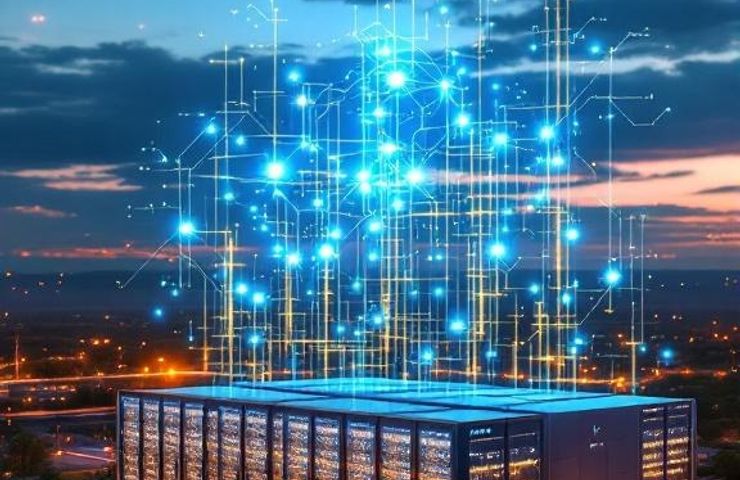
Bloom Energy’s 2026 Data Center Power Report: Fuel Cell Technology Powers Data Center Off-Grid Shift by 2030
January 29, 2026Bloom Energy’s 2026 Data Center Power Report paints an exciting picture for U.S. data centers: almost one in three want to go fully off-grid by 2030, turning to onsite solid oxide fuel cells (SOFC)—a form of hydrogen fuel cell technology—to keep up with skyrocketing AI energy demands. With utilities warning of 18- to 24-month hookup delays, hyperscale and colocation players are jumping on fuel cell technology to get up and running fast, enjoy rock-solid uptime, and slash carbon footprints on their path to a sustainable energy future.
Macro Shifts in Data Center Siting
We surveyed 152 industry insiders (double-blind, by the way), and their answer was clear: the math behind picking a data center site is changing fast. Spots blessed with cheap natural gas, business-friendly rules, and speedy grid approvals are pulling ahead of power-starved regions. Case in point: Texas is on track to snag 30% of the U.S. data center pie by 2028—up from just 12% in 2023—while Georgia could jump from 4% to 7%. Why? Because setting up onsite power with SOFC takes about 90 days versus a year and a half (or more) for new grid hookups. That means you can spin up a campus in months, not years, and lock in your service-level agreements without breaking a sweat.
Historical Context
It wasn’t that long ago when data center energy needs were manageable. But in the last ten years, demand has more than doubled thanks to generative AI and machine learning. Previous editions of Bloom’s report hinted at a rise in onsite generation plans; this year’s update makes it official—a 22% bump in off-grid commitments in just six months. Meanwhile, traditional power hubs like parts of California and the Pacific Northwest are losing ground, bogged down by permit paperwork and clogged transmission lines.
Technical Snapshot: SOFC & DC Architectures
Here’s the cool part: solid oxide fuel cells turn natural gas, biogas, or hydrogen straight into power using heat-driven chemistry—no combustion required. That means almost zero NOₓ or SOₓ on-site and a smaller CO₂ footprint when you switch to green feedstocks. Bloom Energy’s modular Energy Servers start at 20 MW and can scale beyond 500 MW, all while hitting that coveted 99.999% uptime that AI clusters demand. On top of that, nearly half of the folks we asked plan to go direct-current (DC) architectures by 2028, cutting the headaches of AC/DC conversion losses and boosting data hall efficiency. It’s these advancements in hydrogen infrastructure and power distribution that are really driving the sustainable energy shift in data centers.
Strategic & Financial Implications
Money talk: hiring onsite SOFC systems under a power purchase agreement or energy-as-a-service deal means flipping massive upfront costs into predictable monthly bills. Throw in the fact that you dodge utility upgrade fees—which can run into the tens of millions—and avoid project delays, and you’re looking at a payback window of three to five years. And if you run on biogas or hydrogen, you could even rake in carbon offsets or renewable fuel credits, making the whole project shine in corporate sustainability portfolios. Best of all, as electrolyzer capacity grows under incentives like the Inflation Reduction Act, you can migrate from natural gas to biogas and eventually to green hydrogen, ticking all the boxes for industrial decarbonization.
Case Highlight
Take Equinix—they’ve already plugged Bloom Energy servers into a new Texas campus to dodge those endless utility interconnection queues. The result? They hit their service-level agreements faster than expected and laid out a clear roadmap for deeper carbon cuts once green fuels roll in.
Collateral Effects & Policy Considerations
Going off-grid with onsite fuel cells doesn’t just free you from utility red tape—it shifts how regional power grids perform. With big loads moving off jammed transmission lines, peak stress eases up. But watch out: ramped-up natural gas demand could strain midstream pipelines in the near term. Regulators will need to modernize interconnection rules and rate structures to welcome distributed, low-carbon assets. Federal pushes—like clean hydrogen production tax credits—will also play a critical role in driving these systems toward pure green hydrogen operation, bolstering hydrogen infrastructure. All told, it’s a momentum shift toward cleaner, more resilient power.
Parallel Trends & Integration
And it’s not just SOFC. Data center ops are eyeing hybrid microgrids that blend fuel cells, battery storage, and backup generators. Smart microgrid controls can juggle loads in real time, optimize for cost and emissions, and even handle blackstart scenarios. Stack on DC power distribution, and you could boost site efficiency by up to 20% compared to old-school AC setups—an edge that’s pure gold in AI-heavy workloads.
Investor Perspectives
Investors are taking notice. Bloom Energy’s slice of the data center market is growing, and the 2026 Power Report is proof of steady, contracted revenue streams via PPAs and service deals. Equity analysts are updating their models, and management expects data center demand for fuel cell solutions to hit multiple gigawatts by 2030. That spells a huge opportunity for vendors offering low-carbon onsite power. Meanwhile, private equity and infrastructure funds are sniffing around distributed energy assets that cater to high-value computing clients, all betting on the fact that sustainable energy and industrial decarbonization aren’t just buzzwords—they’re tomorrow’s bottom line.
Key Takeaways
- Nearly 32% of U.S. data centers aim to run fully off-grid with onsite SOFC by 2030.
- Onsite SOFC builds in 90 days vs. 18–24 months for new grid hookups.
- Texas and Georgia set to jump to 30% and 7% of market share by 2028.
- 73% of operators now weave onsite generation into new builds.
- Modular SOFC systems hit 99.999% uptime, scale up to 500 MW+, and support phased industrial decarbonization.
- 45% plan DC power architectures by 2028 to slash conversion waste.
- PPAs and energy-as-a-service models shift risk off your balance sheet.
- Federal hydrogen tax credits will turbocharge the transition to green fuels, powering the growth of hydrogen infrastructure.
- Integrated microgrids with batteries can boost efficiency by up to 20%.
What’s Next?
As data center pros juggle cost, resilience, and sustainability, fuel cell technology and hydrogen fuel cells are moving from backup options to star players. With grid delays sticking around and green hydrogen costs trending down, the business case for onsite SOFC just keeps getting stronger—making it a must-consider for the next wave of AI and cloud powerhouses.

 With over 15 years of reporting hydrogen news, we are your premier source for the latest updates and insights in hydrogen and renewable energy.