
Chile’s Corfo Pumps $10M into Green Hydrogen Demand in Biobío Region
January 14, 2026You know how Chile’s long been synonymous with fossil fuels? Well, this January, the state development agency Corfo dropped a surprise: a US$10 million demand-side subsidy to kick-start domestic adoption of green hydrogen. It’s a bold bet on sustainable energy that flips the script on the country’s hydrocarbon past.
By splitting that money evenly between two Biobío-based projects, Corfo is shooting for 1,300 tonnes per year of new green hydrogen demand. It’s the centerpiece of Chile’s sustainable energy push, tapping its world-class solar and wind resources to become a low-carbon energy powerhouse—and a leading exporter—by 2040.
Demand Creation in Biobío
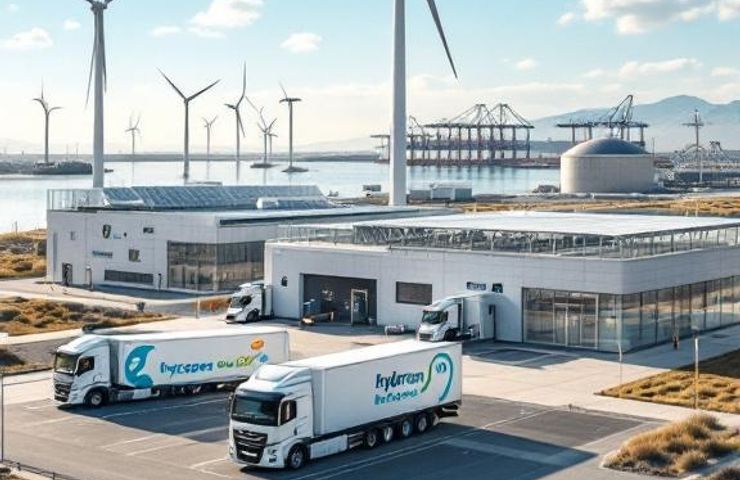
The MarVal HyLog-Biobío project, led by Marítima Valparaíso and the University of Concepción, is all about heavy-duty transport: a 350 t/y refuelling station for hydrogen trucks decked out with storage tanks, compressors and pumps in the industrial port zone. Meanwhile, Fosfoquim is setting up a 1,000 t/y electrolysis plant in Talcahuano to produce clean reagents for forestry and mining, swapping out fossil-based hydrogen in their chemical processes.
Without further ado, here’s how the two projects break down:
Project Details: HyLog-Biobío Station
They’ll build the 350 t/y HyLog-Biobío refuelling facility right next to the Port of San Vicente, where rail and road meet. It starts with 5 MW modular electrolyzer units that can scale up to 15 MW if demand picks up, plus high-pressure storage at 350 bar. Construction kicks off in Q3 2026, with commercial operations slated for early 2028. The plan? Run hydrogen fuel cell trucks through forestry and mining corridors to put the system through its paces.
Project Details: Fosfoquim’s Talcahuano Plant
Fosfoquim is repurposing an old natural gas reformer site in Talcahuano to host a 1,000 t/y green hydrogen plant. They’re installing 10 MW electrolysis modules that link directly into the existing chemical loop, nixing the need for long-haul transport. The result: up to 30 percent cheaper reagents and a 90 percent cut in on-site Scope 1 emissions, a win for industrial decarbonization targets in mining and pulp & paper.
Synergies in Biobío’s Industrial Hub
Biobío is sitting on a strategic sweet spot: deep-water ports at Talcahuano and San Vicente, a network of pipelines feeding pulp, steel and petrochem facilities, and local utilities already testing hydrogen blending in gas networks. Logistics players like MarVal are gearing up for fuel cell rollouts. That mix could make Biobío Chile’s first hydrogen valley outside the Atacama, and a blueprint for regions like Antofagasta and Magallanes.
Technical Spotlight: Electrolysis
Both projects lean on electrolysis to split water into hydrogen and oxygen using clean power. With roughly 65 percent of the cost of green hydrogen tied to electricity in Chile, there’s no better playground than the sun-drenched Atacama and the wind-whipped Patagonia. When renewables drive electrolyzers, you get real green hydrogen, slashing life-cycle emissions compared to grey or blue variants.
Strategic and Economic Impact
This fresh demand-side push complements Corfo’s earlier Industrial Rings scheme and the US$2.8 billion tax credit package from 2024. Add cheap loans from the European Investment Bank and Germany’s KfW, plus Team Europe’s investor outreach, and you’ve got a clear path forward:
- Reach 25 GW of electrolysis capacity by 2030
- Rank among the top three green hydrogen exporters by 2040
- Support Chile’s carbon-neutral goals by 2050
Private investors are already on board, putting more than US$25 billion into seven major projects in the permitting phase, with another US$63 billion in the queue. That’s not just emissions down—though cutting Scope 1 pollution in heavy industry and transport around Biobío is huge—it’s also building out local supply chains for electrolyzers, compressors and fuel cell systems, and creating hundreds of jobs across construction and operations.
Corfo’s Green Hydrogen Ecosystem
Corfo’s vision? Turn Biobío into the heart of Chile’s hydrogen infrastructure. With heavy-industry hubs in Talcahuano and San Pedro, easy port access, pipelines everywhere and a skilled workforce, the region is primed for a big green-hydrogen rollout. HyLog-Biobío will aggregate trucking demand that’s never been seen before, while Fosfoquim’s plant directly feeds existing chemical lines and cuts out fossil intermediaries.
Grid & Infrastructure Readiness
You can’t pump green hydrogen into the economy without a strong grid. That’s why the Ministry of Energy has earmarked:
- US$647 million for 43 VRE grid upgrades
- US$79.6 million for battery energy storage systems (BESS)
- Upgraded autotransformers to handle the peaks and troughs of renewables
The goal is to meet an extra 5.2 percent power demand from electrolyzers while keeping factories and ports humming.
Challenges & Next Steps
Of course, there are bumps in the road. Project costs are high—subsidies only cover a bit more than half—so developers need to find the rest and stick to budgets. Both plants have about six years to start up before clawback clauses kick in. Intermittent renewable power means storage solutions can’t lag behind. And the market needs to grow past early adopters to make green hydrogen genuinely competitive. Economy Minister Álvaro García calls propping up local demand a “critical first step” before Chile can fully commercialize exports. The next few months will be telling: can Biobío spark similar projects in Antofagasta or Magallanes?
- High upfront capex: Developers must bridge funding gaps and manage budgets tightly.
- Tight timeline: Six years to hit operational milestones or face subsidy clawbacks.
- Green power availability: Robust storage systems are essential to smooth out renewables.
- Market maturation: Demand needs to expand beyond pilot users to drive down costs.
Historical Roadmap & Policy Backdrop
Chile kicked off its National Green Hydrogen Strategy in late 2020, targeting 5 GW of electrolysis by 2025 and 25 GW by 2030, with aspirations to be a top-three exporter by 2040. In April 2024, Corfo launched its first Industrial Rings round, allocating US$15 million to cluster-based renewables. The following tax credit framework—worth US$2.8 billion—lets companies offset up to 40 percent of capex. Add clear regulations, streamlined permits and grid codes built for variable renewables, and you’ve got one of the most forward-looking policy toolkits for sustainable energy in the world.

 With over 15 years of reporting hydrogen news, we are your premier source for the latest updates and insights in hydrogen and renewable energy.
