Decoupled Electrolysis Breakthrough Powers Green Hydrogen Production
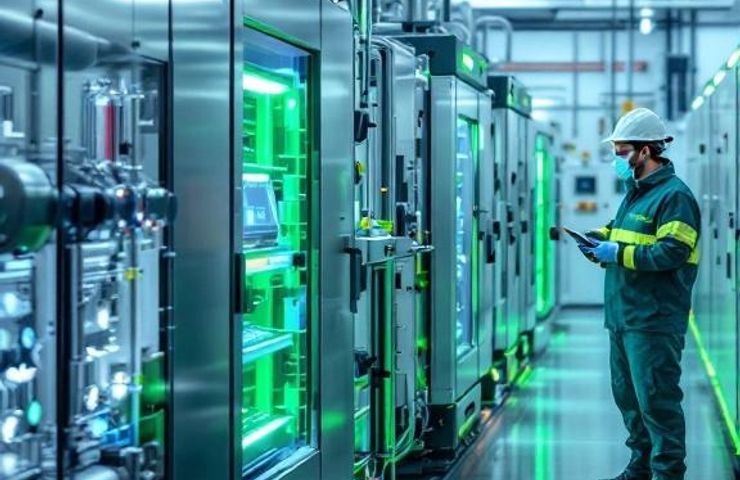
January 19, 2026Have you ever thought green hydrogen production could skip bulky compressors and the messy risk of mixing gases? That’s exactly the leap Clyde Hydrogen Systems made this month. Born out of the University of Glasgow, this UK spinoff just got its first fully integrated prototype up and running, using game-changing decoupled electrolysis to churn out hydrogen on demand.
Ready for a green hydrogen revolution?
They’re not just tinkering around the edges—they’ve punched through the barriers that have long held back clean energy hydrogen production. Conventional electrolysers buckle under fluctuating renewables, lug around expensive compression gear and fret over hydrogen and oxygen cross-contamination. That complexity has throttled growth—until now. Clyde Hydrogen Systems took a fresh approach, rewiring the whole electrolyser technology concept instead of patching the old one.
The magic ingredient? Decoupled Electrolysis
This isn’t a sci-fi pitch—it’s practical chemistry in action. By splitting water-splitting into two distinct stages—first an electrochemical reduction, then a run through a catalytic generator—they’re pushing out high-pressure hydrogen at over 100 bar without a single mechanical compressor. No crossover, no sketchy gas mingling. Just pure, pressurized H2 ready for pipes or storage.
Turning challenges into opportunities
Intermittency and cost have always been green hydrogen’s Achilles’ heels. Traditional alkaline or PEM electrolysers come bundled with hefty CAPEX, tricky heat management and costly compressors. Safety regs demand extra separation systems that jack up OPEX. With decoupled electrolysis, Clyde Hydrogen Systems tears down those bottlenecks by isolating the two reactions and letting chemistry—not machines—do the heavy lifting.
Why this matters right now
Imagine a solar or wind farm with power swings—standard electrolysers sneeze and shut down or waste surplus energy. The decoupled design, however, stores oxygen safely and keeps the catalytic stage humming whenever electrons flow. You get flexible, efficient, on-demand hydrogen production that slashes both CAPEX and OPEX. Cheaper green hydrogen? Check.
And here’s the kicker: they’ve ticked all the boxes—renewable-friendly operation, simpler hardware, safer process flow. CEO James Peck insists this milestone proves the electrolyser technology works outside lab benches. Next stop: real-world trials.
Real-world rollout: from prototype to the Hebrides
Back in 2025, PlusZero signed an MoU to host a commercial demo at their Stornoway facility in the Outer Hebrides. This will test how the decoupled electrolyser integrates with a real island grid. Meanwhile, Clyde Hydrogen Systems plans a full pilot at their Glasgow headquarters later this year.
If everything goes according to plan, 2027 will mark the big commercial demo—and by 2028, we could see market-ready units slotted into industries hungry for on-site hydrogen. That’s warp speed compared to the decades-long rollouts we’ve seen so far in hydrogen production.
Driving forces behind the scenes
This spin-out from the University of Glasgow’s School of Chemistry pairs academic brilliance with real-world grit. Co-inventor Professor Mark Symes shepherded lab-scale prototypes into sturdy pilot hardware. Early R&D was fueled by cash from Zinc, Ecotricity, the Scottish Government’s Hydrogen Innovation Scheme and the Net Zero Technology Centre.
Now they’ve opened a £5 million seed round, targeting scale-up and certification. With backing from green energy veteran Dale Vince of Ecotricity, they’re not just chasing capital—they’re building credibility. A successful scale-up could ignite new jobs for engineers, technicians and spark fresh clean-tech ventures across Scotland.
Benefits that pack a punch
Here’s what decoupled electrolysis brings to the table:
- Cost cuts: Lower capital outlay and operational expenses, thanks to fewer moving parts.
- Enhanced safety: Zero chance of H2/O2 mixing, so simpler compliance.
- Renewable-friendly: Handles variable power inputs without missing a beat.
- Compact design: Streamlined electrolyser technology that’s easier to maintain.
Collateral gains beyond the plant
It’s not just about making hydrogen—you can store it at high pressure without building out massive compressor stations. That opens the door to seasonal storage, grid stabilization and blending hydrogen into existing pipelines. Maintenance gets simpler, downtime shrinks, and reliability soars.
A smart alliance driving change
Partnering with PlusZero in the Hebrides is pure genius. Islands and remote communities with spotty grids will finally get a taste of on-site green hydrogen without onerous infrastructure upgrades. It’s proof positive that clean energy solutions can thrive in the toughest spots.
Local champions like Comhairle nan Eilean Siar and UHI North, West & Hebrides are on board, ensuring community buy-in. This is more than a flashy demo; it’s a real step toward decarbonizing where it matters most.
Beyond the hype: practical impact
Initial runs have clocked continuous operation above 100 bar for weeks on end—a serious jump from last year’s one-off trial. Next up they’ll put longevity, fast commissioning and smooth on-site hookups through their paces.
Investors and partners will be eyeballing uptime stats, hydrogen purity percentages and overall energy efficiency. Hit those targets, and we’re looking at a flood of orders from heavy industry, transport fleets and power plants.
Rewriting the rules of hydrogen
This isn’t just another electrolyser; it’s the blueprint everyone’s been waiting for: efficient, safe, scalable technology that plays nice with renewables, all in a compact footprint. It dovetails perfectly with the UK’s net-zero goals and the global push for clean energy.
What’s next?
Get ready for the full pilot systems rolling out later this year, followed by commercial demos in 2027. If all goes well, market-ready modules could hit the scene by 2028. That spells clear milestones for investors and a practical roadmap for policymakers eyeing affordable green hydrogen.
And if you work in oil & gas, chemicals or transport, consider this your window of opportunity. The next wave of hydrogen production is coming—and it’s set to disrupt your industry.
Final shot: a call to action
The hydrogen revolution isn’t looming on the horizon—it’s arrived, thanks to Clyde Hydrogen Systems and decoupled electrolysis. If you don’t want to get left behind, now’s the time to explore partnerships, plug into pilot programs or just keep a close watch as this technology reshapes the game.
Green hydrogen’s heyday has begun. Are you geared up to ride this wave?
 With over 15 years of reporting hydrogen news, we are your premier source for the latest updates and insights in hydrogen and renewable energy.