Dispatch Energy Brings 4MW Hydrogen Fuel Cell Plant Online in Bridgeport
January 23, 2026Ever stroll past an abandoned factory and wonder if it could power an entire neighborhood? That very transformation has unfolded at Bridgeport’s Bunnell Block industrial park.
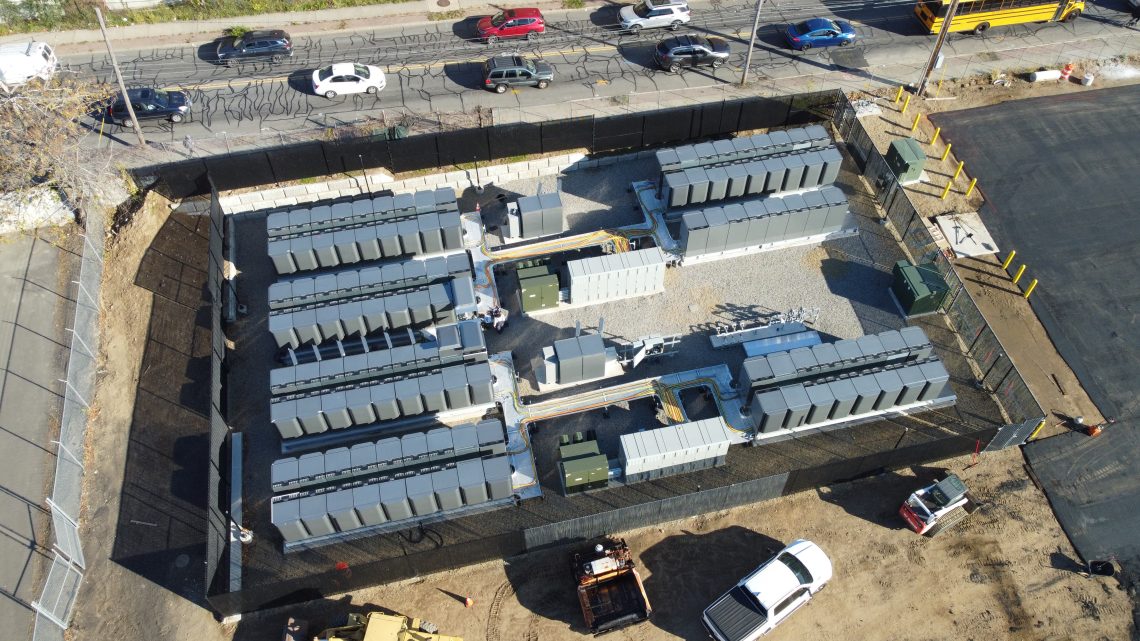
This month, Dispatch Energy flipped the switch on a 4-megawatt fuel cell power plant, bringing clean baseload power to the local grid. By tapping into hydrogen fuel cells, the facility cranks out steady electricity around the clock, fitting right alongside solar panels and battery storage to boost Connecticut’s energy resilience.
Here’s the magic: the system converts hydrogen (or another clean fuel) into electricity via an electrochemical reaction—no combustion, no fuss. Unlike solar or wind, this fuel cell technology runs nonstop, ready to dispatch power whenever demand spikes or the sun dips behind clouds.
With enough juice for roughly 3,393 homes, the Bridgeport plant slices emissions by about 50 percent compared to the site’s old setup. Those cuts nudge Connecticut closer to its climate targets and keep energy costs more predictable for businesses and residents alike.
From Brownfield to Baseload
Bridgeport’s industrial heyday is long gone, leaving sites like Bunnell Block gathering dust. Turning a former manufacturing footprint into a hub of sustainable energy is urban renewal at its finest—transforming a brownfield into a strategic grid asset.
Why Hydrogen Fuel Cells Matter for Grid Resilience
As wind and solar pitch in more juice, utilities need reliable backups to keep the lights on. Hydrogen fuel cells deliver firm, zero-emission power in an instant—perfect for when clouds roll in or the breeze calms. In Bridgeport, the new plant acts like a mini power station, strengthening Connecticut’s grid against storms, outages and peak-load stresses.
Dispatch Energy’s Distributed Energy Toolbox
Since 2009, Dispatch Energy has knocked out over 800 projects and now stewards more than $1.5 billion in assets. Its affiliate, C2 Energy Capital, handles development, while GoldenRow takes care of operations and maintenance. The Bridgeport fuel cell marks Dispatch Energy’s first big leap into hydrogen-based systems, adding to its solar and battery lineup.
Earlier wins include a 50 MW portfolio across 50+ Walmart stores and rooftop solar at Ohio public schools. By weaving in fuel cell technology, the company diversifies its offerings and cements its full-service chops in distributed energy.
A Wider Lens on Sustainable Energy
Bridgeport’s project is more than a standalone plant. It dovetails with growing investments in hydrogen infrastructure—from electrolysis pilots to fuel supply chains—and highlights the role of distributed resources in industrial decarbonization. Down the road, sites like Bunnell Block might even produce green hydrogen on-site or explore clean ammonia for seasonal storage.
Sure, hurdles remain—locking in steady fuel supplies, navigating interconnection agreements and syncing with utility plans. But Bridgeport’s example shows how developers, cities and regulators can team up to revamp old sites and cut carbon.
For Dispatch Energy, this moment proves that hydrogen fuel cells deserve a spot alongside solar, batteries and EV charging in the modern sustainable energy toolkit. And for Connecticut, it’s another stride toward a more resilient, affordable, low-carbon grid.
What’s next? Maybe scaling up capacity, tackling more brownfields or adding local green hydrogen production—the future looks charged with possibility.
 With over 15 years of reporting hydrogen news, we are your premier source for the latest updates and insights in hydrogen and renewable energy.