
Dutch hydrogen infrastructure at risk as pipeline delays imperil Europe’s green hydrogen ambitions
December 15, 2025Have you ever wondered if Europe’s big push for a zero-emission future might hit a wall before it even takes off? A brutal audit from the Netherlands’ Court of Audit, released recently, suggests it just might. Even with a hefty €750 million government subsidy to roll out a 1,200 km hydrogen infrastructure, the pipeline network may never see the finish line at the current pace.
Network Snags
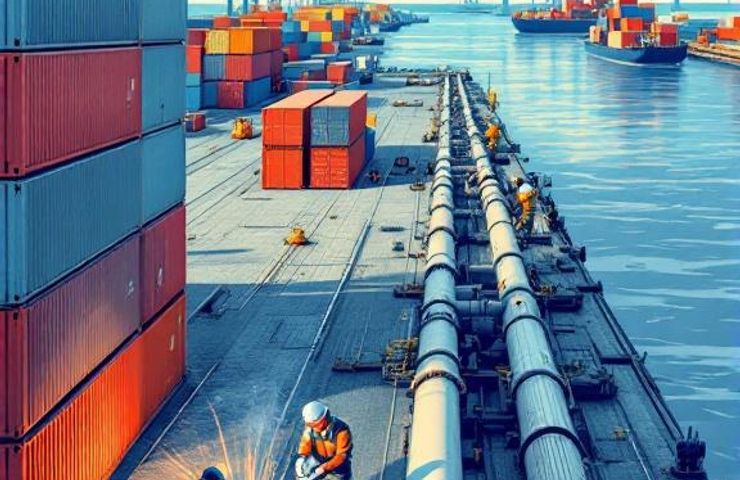
Over in Rotterdam, Hynetwork Services proudly welded together the first 32 km of pipeline—but that small win masks some big headaches. Permitting across multiple municipalities has ground progress to a crawl, and skilled pipefitters and welders are in painfully short supply. All that red tape and labor crunch has pushed the 2030 target for completing this crucial piece of our hydrogen infrastructure back to 2033. Sure, repurposing about 85 % of existing natural gas lines cuts construction costs by roughly 75 %, but it also introduces certification and safety challenges that fresh pipes wouldn’t face.
Demand Downshift
Perhaps the biggest sucker punch? In 2025, major chemical players—Vynova, Westlake, LyondellBasell and Tronox—shuttered their Dutch plants, taking with them the volumes of green hydrogen needed to justify the pipes. Those factories were supposed to be the network’s anchor customers, using hydrogen production for ammonia processes and steam cracking. With them gone, both hydrogen production forecasts and hydrogen storage utilization models look a lot weaker, leaving the network at serious risk of underuse.
Green Hydrogen Ambitions
Still, there’s a silver lining: Shell’s Holland Hydrogen 1 facility—Europe’s first large-scale renewable plant at 200 MW—is on track to churn out green hydrogen through electrolysis powered by TenneT’s high-voltage grid. That connection slipped through despite persistent grid congestion, but you can’t expect every new electrolyser to get such special treatment. To keep that green hydrogen flowing into the pipelines, the Netherlands will need major grid upgrades or risk hitting a production cap.
Storage and Seasonal Balance
Hydrogen isn’t a simple on-off switch; its availability swings with the weather and power demand. Enter the HyStock facility in the north, which leverages geological salt caverns to stash excess volumes for winter peaks. But if the pipeline network stalls, moving hydrogen efficiently between storage, import terminals and factories becomes a logistical nightmare. That threatens both daily balancing and the broader case for hydrogen as a reliable sustainable energy carrier.
Ripple Effects Across Europe
This Dutch project wasn’t just a local experiment—it was meant to anchor the European Hydrogen Backbone, a 53,000 km vision of cross-border pipes by 2040. Now, planned links to Germany and Belgium are slipping from 2030 to 2031–33. Each delay could ripple out and slow regional plans for industrial decarbonization in heavy sectors like steel, chemicals and refining.
Policy and Permitting Gaps
The audit lays bare a key lesson: policy ambition raced ahead of bureaucratic reality. The Netherlands, often praised for its pro-business climate, still drowns hydrogen projects in layers of local, provincial and national approvals. Streamlining permits—without sacrificing environmental or safety standards—is now the top request from infrastructure firms. And at the EU level, clear fast-track guidelines could help other member states dodge the same bottlenecks.
Skills and Supply Chain Crunch
There’s another snag across Europe: a real shortage of skilled pipefitters, welders and high-grade steel for hydrogen service. If training academies don’t ramp up apprenticeships in a hurry, every gigaproject risks the same manpower pinch. The Dutch network just happens to be the first to hit that curve.
Alternate Markets and Pivot Plans
Watching those chemical plants close stings, but Gasunie isn’t stuck. They’re eyeing maritime bunkering—hooking ports like Rotterdam, Pernis and Zeeland to supply hydrogen-fueled ships. Plus, an ammonia pipeline to Germany has spun off into its own standalone project, offering a detour for otherwise idle sections. Still, these pivots won’t fully replace the lost chemical gigawatts.
Fiscal and Investor Concerns
From a fiscal standpoint, that €750 million subsidy is no small beer. The watchdog warns that half-built or underutilized pipelines could leave taxpayers holding the bag for stranded assets. Private investors, who bank on steady returns via long-term transport tariffs, are already on edge. Delays mean delayed cash flows—and a bumpier risk profile.
Cross-Border Collaboration at Stake
Beyond Germany and Belgium, whispers were flying about links to France and the UK by mid-decade. Now, those plans are parked until the Dutch network clears its own hurdles. For a continent banking on hydrogen corridors to knit together North Sea wind farms and inland industrial clusters, each setback jeopardizes what should be a cohesive green gas market.
What Comes Next?
Gasunie and its special-purpose arm, Hynetwork Services, are racing against both the calendar and cautionary headlines. The government has pledged targeted permits and workforce upskilling programs to ease the crunch. Meanwhile, industry groups are pressing for a refreshed hydrogen roadmap that aligns production targets, hydrogen storage capacity and transport infrastructure milestones.
At its heart, the Dutch saga drives home a simple truth: you can sketch out Europe’s boldest hydrogen grid, but without the right crew and clear runways, even green hydrogen’s shining promise can stall. Nail it, and you set the blueprint everyone follows. Flop it, and we’re left asking: was this the plan that never quite lifted off?
About Gasunie
Gasunie is the Netherlands’ national gas infrastructure operator, overseeing both natural gas and emerging hydrogen networks. Founded in 1963, it’s now investing over €100 million in the first phase of the hydrogen backbone, aiming to fuse legacy assets with zero-emission technology.
 With over 15 years of reporting hydrogen news, we are your premier source for the latest updates and insights in hydrogen and renewable energy.
