Eni and EIB Finance Sannazzaro Biorefinery Conversion to Advance Sustainable Energy
April 13, 2026Europe’s industries are sprinting to shrink their carbon footprints, and there’s a new money move kicking off in Italy’s refining heartland. Eni has teamed up with the European Investment Bank, laying down a €500 million, 15-year loan that will transform key units at the Sannazzaro de’ Burgondi refinery in Lombardy into a cutting-edge biorefinery. It’s a clear sign that the energy mix is about to get a major makeover.
A pivotal financing deal
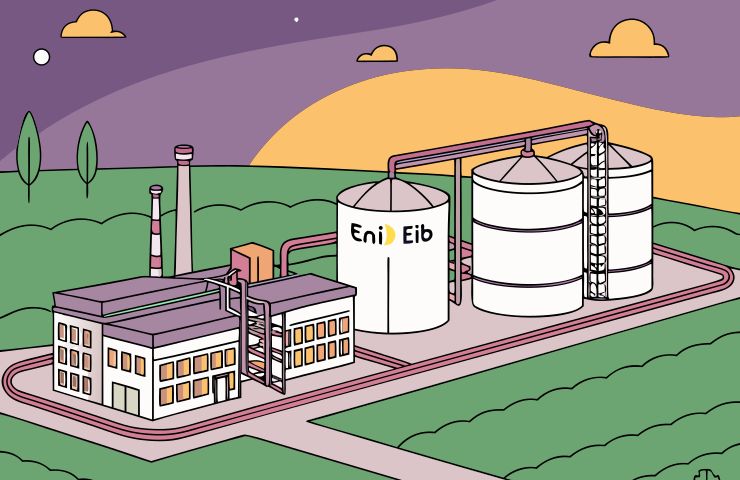
When Gelsomina Vigliotti, the EIB’s Vice-President, and Claudio Descalzi, Eni’s CEO, shook hands on this agreement, they kicked off the latest chapter in a public-private tag team focused on slashing transport emissions. Over the next 15 years, this financing splash will fund smart retrofits at the Lombardy site—swapping out traditional processing units for biorefining trains built to handle a blend of renewable feedstocks.
The secret sauce? Ecofining™, Eni’s in-house hydroprocessing technology. By funneling in waste oils—from leftover cooking grease to farm residues—and pressing them under hydrogen, the plant will strip out oxygen and turn these streams into sleek HVO diesel and SAF. It’s precisely the kind of zero-emission technology push the transport sector needs to curb lifecycle greenhouse gases.
Ecofining™ at scale
This isn’t your average feedstock lineup. Instead of virgin vegetable oils or food crops, Sannazzaro’s biorefinery will run on used cooking oils, animal fats and agricultural leftovers. That means fewer land-use squabbles, lower feedstock bills and a hefty cut in waste disposal costs. Regulators under the EU’s Renewable Energy Directive have been itching to reward exactly this kind of circular economy approach.
Once it fires up in 2028, the plant aims to churn out 550,000 tonnes of advanced biofuels every year—everything from high-grade hydrotreated vegetable oil diesel for road transport to sustainable aviation fuel for jets. We’re talking about shaving off hundreds of thousands of tonnes of CO₂ annually—enough to keep thousands of flights and heavy trucks rolling under the EU’s tougher emissions standards.
Regional industrial boost
For the 547,000 residents of Pavia province, this overhaul brings more than just greener fuel. It’s a shot in the arm for the local economy—construction jobs, skilled operator positions and a buzzing supply chain for collecting, pre-treating and trucking renewable feedstocks across Lombardy and beyond.
By valorizing waste streams, the project also tackles one of biofuel’s biggest headaches: building a sustainable, traceable supply chain. Eni reckons it will divert thousands of tonnes of food-industry residues from lower-value uses or landfill. For warehousing centers, waste processors and trucking outfits, that’s fresh revenue flowing straight from the green fuel economy.
Building on past partnerships
This Sannazzaro conversion isn’t a standalone stunt. It builds on a €500 million EIB financing package for Eni’s Livorno refinery conversion in 2025 and taps lessons from Enilive biorefineries in Venice, Gela and St. Bernard (USA). Eni’s roadmap also includes new biorefineries in Malaysia, South Korea and Sicily, all part of a sprint to hit a 5 million-tonne biofuel capacity by 2030.
Financing and policy context
Locking in a 15-year loan like this is no small feat. By lining up repayment schedules with the lifespan of the revamped assets, the EIB gives Eni breathing room to amortize costs without sweating short-term refinancing pressures. Their due diligence goes beyond the balance sheet too—vetting everything from feedstock traceability to full lifecycle emissions, a prime example of how public lenders can channel capital toward zero-emission technology.
Of course, no giant project is without its potholes. They’ll need a steady supply of waste oils, and feedstock prices can be a wild card. Add in evolving sustainability certification rules, and biofuels still have to compete on price with conventional diesel and shiny new alternatives like e-fuels or battery electric freight.
On the policy front, this partnership ticks multiple boxes. It moves the needle on the EU’s Renewable Energy Directive II, which mandates higher shares of advanced biofuels in transport. It also shores up broader goals around energy security, fuel diversification and long-term resilience against geopolitical shocks to oil and gas supplies.
Towards a sustainable future
At its heart, the Sannazzaro conversion is a prototype for retrofitting Europe’s vintage refineries. By reusing sites that already have permits, experienced workforces and grid hookups, you can renovate faster—and often cheaper—than building greenfield plants. If it hits the mark, this blueprint could be rolled out across the continent, fast-tracking the shift to sustainable energy and cementing biofuels’ role in our climate goals.
And let’s not forget the wider picture: as high-volume electrolysis systems and green hydrogen scale up, projects like this will be cornerstones of a diversified, resilient energy ecosystem. The collaboration between Eni and the EIB shows how coordinated financing, proven tech and clear policy frameworks can unlock legacy assets—delivering real carbon cuts and keeping Europe at the cutting edge of energy innovation.
About the Company
Eni is an integrated energy firm based in Rome, active across oil, gas and renewables. Its subsidiary Enilive specializes in biofuel production. The European Investment Bank is the EU’s long-term financing institution, backing projects that drive environmental sustainability and energy security.
 With over 15 years of reporting hydrogen news, we are your premier source for the latest updates and insights in hydrogen and renewable energy.