
EU hydrogen infrastructure funding bolsters clean energy transition
February 2, 2026I’ve been tracking the EU’s big push to modernize and decarbonize its energy setup, and let me tell you, the latest from CEF Energy really grabbed my attention. With the clock ticking toward net-zero by mid-century, Europe needs a tough, flexible grid that can juggle intermittent renewables, cross-border flows, and a budding hydrogen market. This month, the European Commission chipped in €650 million for 14 cross-border schemes, a win that not only helps integrate more wind and solar but also shores up energy security—part of a broader EU hydrogen infrastructure funding push that cements Europe’s clean-tech leadership.
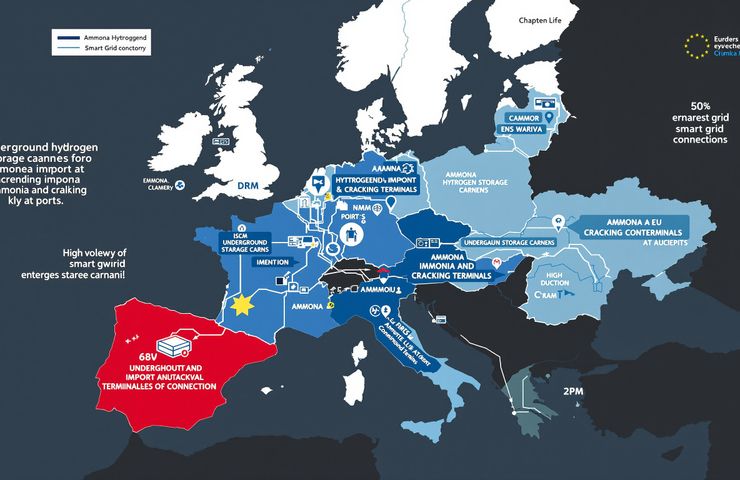
Word on the street is that the cash splits roughly between six grid-smart upgrades and eight hydrogen plays, with the latter pocketing about €177 million. These projects span everything from repurposing underground caverns for storage to building slick ammonia-to-hydrogen terminals and kicking off feasibility studies that’ll chart out future transport corridors, sort out permitting headaches, and lay the foundation for a thriving hydrogen market across the continent.
CEF Energy Makes a Big Splash
Under the hood, the CEF Energy programme—run by CINEA (the European Climate, Infrastructure and Environment Executive Agency)—taps into the EU’s 2021–2027 budget and the revamped TEN-E rules. Thanks to the “Projects of Common Interest” and “Projects of Mutual Interest” labels, selected bids get fast-track approvals and a shot at grants. Over a hundred proposals poured in, with more than 90% coming from traditional gas network operators pivoting to hydrogen. Independent experts then dug into each submission, weighing greenhouse-gas cuts, cross-border synergies, and bankability before handing out funding to the top 14.
The Secret Sauce of Hydrogen Storage
The big star here is RWE, which scored a €120.11 million works grant for its Hydrogen Storage Gronau–Epe REW project in Germany. Picture this: former salt caverns repurposed as massive tanks for green hydrogen, fed by electrolyzers powered by nearby wind and solar farms. The real magic comes from dynamic injection and withdrawal schedules synced up with a network of digital sensors—so when demand spikes, supply flexes almost instantly. Once it’s up and running, Gronau–Epe could hold weeks’ worth of hydrogen for local industries, serving as both seasonal storage and a nifty grid-balancing tool. That’s true hydrogen storage innovation in action.
Terminals Built for the Future
On the import side, new hydrogen terminals are popping up like mushrooms after rain. Uniper landed €10.63 million to build a terminal in Wilhelmshaven that’ll crack incoming ammonia back into hydrogen and feed it into regional pipelines. Meanwhile, the ACE terminal in Rotterdam—a joint venture between Gasunie, HES International, and Vopak—picked up €25.62 million. They’ll use catalytic reactors to split ammonia, scrub out any by-products, and deliver pure hydrogen to nearby industrial parks and heavy-vehicle refueling stations. These facilities aren’t just pretty showcases; they’re engineered to handle a volatile global market, offering import flexibility and boosting Europe’s energy resilience.
Smart Grids Kick Challenges to the Curb
Meanwhile, on the electricity side, four works projects and two studies will supercharge cross-border interconnections and inject serious digital muscle. Spain’s at the forefront, gearing up to integrate an extra 9–10 GW of solar and wind—that’s enough juice for 7.5–12 million homes by 2027. A Romania–Bulgaria upgrade will shave congestion fees and open up fresh trading lanes. By deploying AI-driven maintenance, real-time monitoring, high-voltage DC links, and dynamic line rating, these smart electricity grids will smooth out wild swings, cut curtailments, and keep the lights on even during storms or supply hiccups.
Strategic Context and Ambitious Targets
These moves tie directly into the EU’s big hydrogen ambitions—backed by a wave of EU hydrogen infrastructure funding—aiming for 10 million tonnes of home-grown renewable hydrogen by 2030, plus another 10 million tonnes imported. They dovetail with the European Green Deal, REPowerEU, and the Fit for 55 package, and they mesh with resilience measures in the Baltics and national hydrogen roadmaps in Germany, the Netherlands, and Spain. It’s clear the EU isn’t just writing lofty goals—it’s building the actual pipelines, storage caverns, and interconnections needed to hit them.
Breaking New Ground Despite Real-World Hurdles
Of course, it’s not all smooth sailing. Legacy gas players still dominate the scene, which could crowd out innovative newcomers. Permitting delays, drawn-out public consultations, and supply-chain bottlenecks for niche gear—think high-purity compressors, specialized electrolyzers, and cryogenic pumps—can all stall progress. Community acceptance is another make-or-break factor: underground storage needs clear safety messaging and tight engagement to win trust. On the plus side, fast-track PCI/PMI rules, a planned spring 2026 CEF Energy call, and a €105 million R&I call from the Clean Hydrogen Partnership should keep things moving.
Bottom line…
This funding round isn’t just about numbers on paper. It’s a hands-on commitment to a decarbonized, interconnected energy future built on hydrogen and cutting-edge grids. From underground hydrogen storage to next-gen hydrogen terminals and AI-powered smart electricity grids, Europe is stitching together the backbone for both homegrown and imported clean fuels. As these projects break ground and plans go live, Europe’s energy landscape is poised for a makeover that could become the global blueprint for sustainable infrastructure. And that, friends, is just the start of a clean-energy revolution.
 With over 15 years of reporting hydrogen news, we are your premier source for the latest updates and insights in hydrogen and renewable energy.
