Fuel Cell Electric Vehicles Market Accelerates with Commercial Fleets
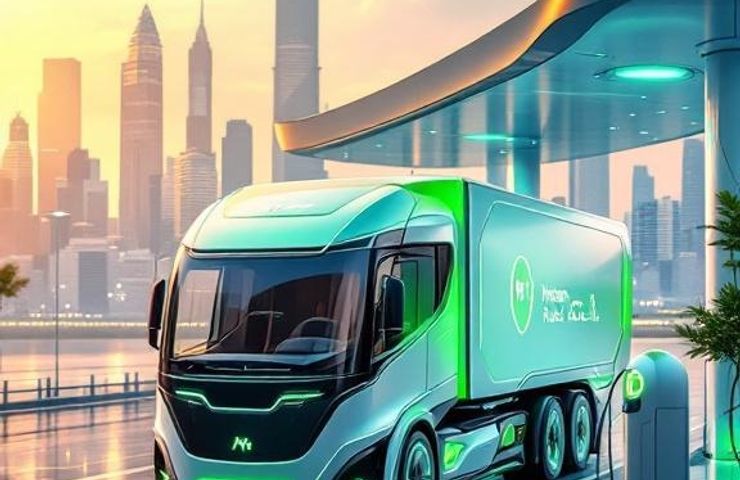
March 17, 2026Lately, there’s been a noticeable uptick in the global buzz around fuel cell electric vehicles. It’s all thanks to heavy-duty applications stepping into the spotlight. From cross-country semis to city buses, fleets and governments are jumping on the hydrogen fuel cell vehicles bandwagon to hit those ambitious decarbonization goals.
Tracing the Roots of Hydrogen Mobility
It might surprise you, but the foundations of today’s PEM fuel cells were laid back in the 1960s, when NASA first experimented with fuel cells. Things really picked up in 2014 when Toyota rolled out the Mirai, followed by Hyundai’s Nexo. Fast-forward to 2020, and stronger policies along with new refueling stations helped commercial FCEVs graduate from small-scale trials to real-world fleets.
Inside the Proton Exchange Membrane Fuel Cell
So what’s going on under the hood of these Proton Exchange Membrane Fuel Cell systems? Basically, hydrogen hits a platinum-coated catalyst and splits into protons and electrons. The protons glide through a special polymer membrane while the electrons zip along an external circuit to power an electric motor. At the other end, protons, electrons and oxygen come back together, releasing only water vapor. Thanks to tougher membranes, lighter catalysts and smarter packaging, efficiency has climbed and costs have tumbled for widespread use.
Why Are Commercial FCEVs Taking the Lead?
- Extended range: Hydrogen stores more energy per kilo than batteries, giving trucks and buses serious range.
- Quick refueling: Refuel in minutes—often under 10—so vehicles keep rolling without long stops.
- Heavy payload support: Fuel cell systems keep power up under heavy loads, so fleets never lose capacity.
- Zero tailpipe emissions: Only water vapor comes out the exhaust, helping meet strict air quality and climate rules.
Who’s Leading the Charge?
Toyota Motor (Japan) – As the force behind the Mirai and partner with Panasonic on stacks, Toyota bets big on hydrogen fuel cell vehicles in its zero-emissions playbook.
Hyundai Motor Company (South Korea) – After the Nexo, Hyundai’s testing heavy-duty concepts and building out new refueling corridors.
Honda Motor (Japan) – Honda’s Clarity fleet has seen PEM fuel cells shrink and improve, paving the way for broader rollouts.
Cummins (USA) – This engine veteran is translating decades of powertrain expertise into fuel cell modules for buses and trucks.
Daimler (Germany) – Daimler’s Mercedes-Benz GenH2 Truck pilots long-haul routes with high-pressure tanks and efficient fuel cell stacks.
Benefits Beyond Emissions
- Energy security: Hydrogen can come from renewables, natural gas with carbon capture, or even biomass.
- Job creation: Expanding production plants and refueling networks fuels new job opportunities.
- Infrastructure synergy: Upgrading hydrogen infrastructure for transport often powers industrial sites or backup generators.
What Hurdles Remain?
Fuel cell stacks still cost more than batteries, and hydrogen stations remain few and far between. Plus, most hydrogen today is made from natural gas, which chips away at its green promise. Asia-Pacific governments plan to roll out thousands of stations over the next decade, but the real game-changer will be a shift to truly green hydrogen.
How Big Can the Market Get?
Analysts at Precedence Research and Global Market Insights expect growth above 25 percent annually through the mid-2030s, potentially pushing market value into the tens of billions. Cars account for around a third of deployments, but commercial FCEVs—trucks and buses—are set to grow fastest. The Asia-Pacific leads, thanks to subsidies, solid policies and planned hydrogen infrastructure.
Turning the Corner on Climate Goals
Electrifying heavy freight and busy bus routes is no small feat, and that’s where fuel cell electric vehicles shine. With more refueling hubs popping up and costs trending downward, we’re poised to see hydrogen fuel cell vehicles move from niche pilots into everyday workhorses, teaming up with battery EVs to tackle net-zero targets worldwide.
Every additional station and price drop pushes hydrogen fuel cell vehicles further into the mainstream.

 With over 15 years of reporting hydrogen news, we are your premier source for the latest updates and insights in hydrogen and renewable energy.